Online Reporter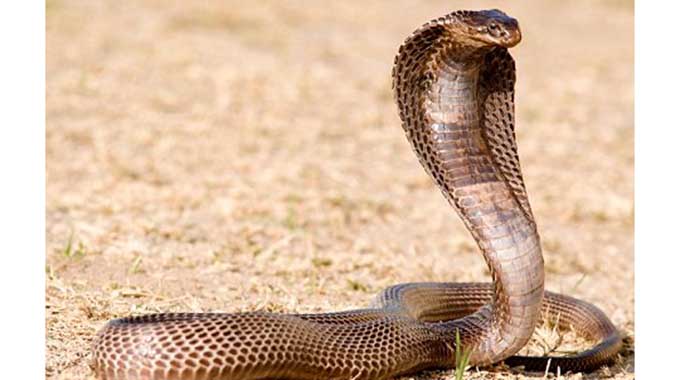
Sifelani Tsiko
Book Review
More importantly, the book also shares the list of snake removers in Zimbabwe and other snakebite resources that may be useful to readers.
UNIVERSITY of Zimbabwe pharmacist, toxicologist and academic Professor Dexter Tagwireyi has come up with a new snakebite management guidebook that aims to reduce mortality and morbidity through improved prevention, education, timely and effective treatment with antivenom and strengthened health systems.
The 145-page guide titled: “Medically Important Venomous Snakebite in Zimbabwe: An Aid to Health Care Providers,” is the first to be published in the country.
Broadly, the guidelines captured in the book offer guidance on patient observation, supportive care, antivenom management and the importance of prompt medical attention to standardise care.
“I wrote this guide with Zimbabwean healthcare providers and students of health sciences in mind,” Prof Tagwireyi said in an interview.
“However, it will also be of benefit to anyone who wants to have an overview and basic understanding of fundamental issues regarding venomous snakes and snakebite in Zimbabwe.
“This publication is infused by my own practice and experience in giving guidance to clinical staff on the management of snakebites in Zimbabwe as a consultant toxicologist and poisons information specialist spanning over two decades.”
Zimbabwe, just like many other developing countries, is grappling with the snakebites menace and an acute shortage of anti-venoms.
The Ministry of Health and Child Care regularly issues out disease surveillance reports, and the figures show that in 2023, there were 707 cases and three deaths.
In 2024, there were 2 917 snakebite cases, with 14 fatalities, while 2025 registered 2 193 snakebites and nine deaths.
In Zimbabwe, the snake season runs from September to March, when snakes become more active after a period of hibernation between April and August.
Official figures also show that in 2018, there were 1 937 cases of snakebites and 13 deaths, while in 2017, snakebites claimed 38 lives out of 5 605 reported cases. There is a paucity of information on snakebites as many go unreported in most parts of the country.
Figures are only based on estimates and on those reported in the country’s hospitals.
At present, Zimbabwe spends a sizable amount of foreign currency importing anti-venom from India and South Africa for the treatment of snakebites and other conditions.
The World Health Organisation says snakebite is a neglected public health issue, which causes significant morbidity and mortality in many countries in the global south.
One vial or dose costs between US$80 and US$150 or more depending on the quality and manufacturer.
Prof Tagwireyi said an average snakebite would require about five to six vials — and much more for larger neurotoxic snakes, such as venomous bites from the black mamba.
Shortages of foreign currency and erratic supplies from South Africa make the country’s move towards its own production more compelling.
“Unfortunately, the brunt of this issue is often felt in poorer nations, which are also home to the majority of venomous snakes on the planet with Zimbabwe not being an exception,” Prof Tagwireyi added.
“Dealing with the issue of snakebite in these nations has been a significant challenge both from a clinical as well as a non-clinical perspective.
“While snake antivenoms have been developed for most of the seriously venomous snakes found in these parts, the costs associated with antivenom use are often prohibitive.”
The costs, he said, include the high price of the drug itself as well as logistical issues related to the storage of antivenoms in rural healthcare centres without electricity for refrigeration.
Poor roads also compounded access to medicines for snakebite victims at district hospitals.
“Coupled to the above are issues of information access related to the various venomous snakes, snakebite prevention, first aid and management,” Prof Tagwireyi said.
“This has led to unnecessary snakebite related morbidity and mortality as people are needlessly bitten by snakes when they could have avoided the bite. People engage in dangerous first aid procedures which impact poorly on the prognosis of snake bite victims.
“Even at healthcare centres, there is inappropriate management of snake bite victims due to lack of good resources that may assist in the management of the various snake species.”
His new guide, aims to address some of the challenges the country faces when it comes to dealing with venomous snakebites and snakebite prevention.
Written in a simple and engaging way, the guide gives basic facts about snakes found in Zimbabwe, snakebite prevention, factors associated with snakebite risk and severity and healthcare management.
This book also provides snake profiles with coloured high-resolution images for all the venomous snakes found in Zimbabwe.
Names of the snakes are also given in Shona and Ndebele to help readers understand the serpents better.
The book is rich with information on clinical toxicology of snakes as well as published literature references for recorded bites.
More importantly, the book also shares the list of snake removers in Zimbabwe and other snakebite resources that may be useful to readers.
“I hope this book will go a long way in contributing to dealing with the issue of venomous snakebite in Zimbabwe and that readers will find it most useful,” Prof Tagwireyi said.
Between 4,5 and 5,4 million people get bitten by snakes annually. Snakebites kill approximately 32 000 people in sub-Saharan Africa and leave 100 000 survivors nursing injuries, many of whom suffer permanent physical disabilities, according to a WHO study.
Globally, poisonous snakebites kill between 81 000 and 138 000 people a year due to complications and leave a further 400 000 with lost limbs, blindness and trauma. Many amputations and other permanent disabilities are caused by snake bites annually.
According to the World Health Organisation, data on snakebites remains fragmented and inaccurate. Many cases in rural areas go unreported as victims do not attend health centres or hospitals and instead rely on traditional treatments.
Zimbabwe has about 80 different species of snakes, with 20 of them considered dangerous.
At least six of the dangerous species, including the black mamba, snouted cobra, Mozambique spitting cobra, puff adder, boomslang and gaboon viper, account for 75 percent of fatal snake bites.
The new book will certainly add to the body of knowledge on snakes and snakebites in Zimbabwe, helping readers to learn more about types of snakebites, the symptoms of a snakebite, treatment of non-venomous and venomous snake bites, and actions that can be taken to minimise risks.
In addition, this guide will also address lack of knowledge, misconceptions and superstition about snakes and widespread potentially dangerous snakebites.
This guide is a critical education tool to effectively reduce human-snake conflict and snakebite risks ahead of the upcoming rainy season and for many years to come.
For an immersive reading experience, visit Typocrafters (DigiHub) Book Shop at Herald House, corner George Silundika Avenue and Sam Nujoma Street in Harare.