Online Reporter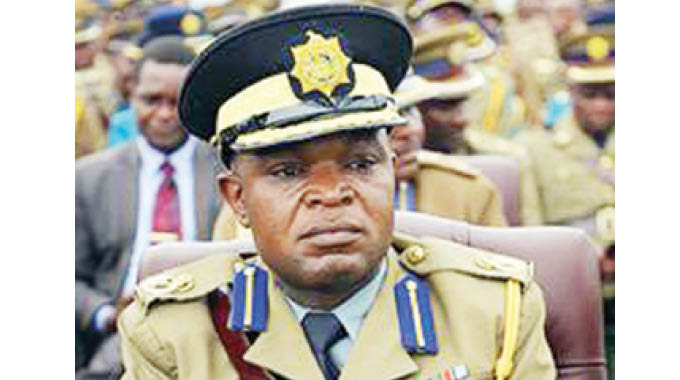
Freeman Razemba
Senior Reporter
LONG asphalt ribbons of Zimbabwe’s major highways are the nation’s lifelines, carrying goods and people between bustling cities and quiet towns.
But beneath the rumble of diesel engines and the weary sigh of arriving buses, a darker cargo is being trafficked, turning these vital arteries into conduits for a growing drug crisis.
Despite a nationwide police crackdown, a stubborn and alarming trend persists: bus crews, haulage truck drivers, and opportunistic passengers are increasingly becoming the foot soldiers of drug smuggling networks, brazenly moving narcotics and unregistered medicines right under the noses of authorities.
The evidence is not hidden in shadowy corners; it’s being hauled into police stations daily.
In the first week of September 2025 alone, a wave of arrests painted a vivid picture of the scale and audacity of the problem.
It begins with a tip-off. On the Ngundu-Tanganda Road, police intercept a bus. What they find is not just a personal stash but an industrial-scale operation: 66,5 kilograms of compressed mbanje (dagga), meticulously packed into 23 plastic packages. The alleged culprits? Not shadowy figures in back alleys, but the very people entrusted with the vehicle: driver Juda Gondo (27) and conductor Abraham Marakia (62).
This is not an isolated case. Further south, in the heat of Beitbridge, a passenger’s suitcase yields 7,4 kg of dagga.
In Gwanda, a Toyota Quantum is stopped, and passengers are found with their bags stuffed with the drug. The methods of concealment are as ingenious as they are desperate — from hidden compartments in trucks to dagga cunningly disguised inside boxes of cornflakes in a traveller’s bag.
But the trade is not limited to cannabis. The smuggling of unregistered pharmaceutical products, particularly highly addictive codeine-based cough syrups like Broncleer and Astra Pain, is thriving.
Truck driver Asha Muchenje was caught at the Beitbridge Border Post with his cab transformed into a mobile pharmacy — 19 boxes of Broncleer and 3 boxes of Astra Pain stashed behind his seat.
In the capital, Harare, the trade moves in sedans. Police on Dagenham Road in Southerton arrested individuals in Toyota Hilux and Corolla vehicles, recovering hundreds of bottles of these illicit syrups, destined for who knows how many young people.
National police spokesperson, Commissioner Paul Nyathi, has been unequivocal that the war against drugs will be won.
“We will not hesitate to arrest anyone found dealing or consuming drugs,” he has stated repeatedly. His warning to bus crews and truck drivers is clear: desist, or face the consequences.
The police, he affirms, will continue to make stop-and-searches a permanent feature on the country’s major highways.
Yet, the arrests continue. Each intercepted vehicle, each confiscated stash, raises a troubling question: why does this continue?
Criminologists point to the perfect confluence of opportunity and necessity. The sheer volume of cross-border and domestic traffic makes it impossible to search every vehicle thoroughly.
For drivers and crews struggling with economic pressures, the financial lure of a smuggling side-hustle can be powerful. Passengers, seeing an opportunity for a quick profit, become willing or desperate mules.
The human cost of this highway pipeline is immense. These smuggled goods fuel addiction, destroy families, and undermine public health.
The police raids are a necessary firewall, but they are a reactive measure.
As long as there is demand and economic desperation, the siren call of easy money will continue to tempt those who traverse Zimbabwe’s roads.
The battle is no longer just in the city streets where drugs are consumed, but on the very highways that connect the nation, where the choice between honest work and illicit gain is made behind the wheel, one kilometre peg at a time.