Chronicle Editor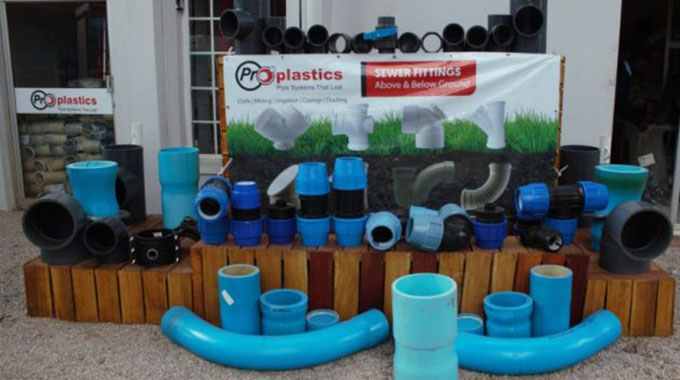
Business Reporter
LISTED piping material producer, Proplastics, says its newly installed factory in Harare is expected to improve the firm’s operational efficiency, serving both the domestic and foreign markets.
In a recent statement for the full year ended December 31, 2019, Proplastics said the new factory, which awaits official commissioning was already operational.
“The new factory is now complete and operational. The new mixing plant has been successfully installed and awaits commissioning.
“We expect a vast improvement in operational efficiencies, thus enabling us to serve both the domestic and export markets more effectively,” it said.
In terms of financial performance, the manufacturing firm’s turnover for the year was ZWL$114,3 million in historical cost, up from ZWL$24 million in the prior year.
In inflation adjusted terms, turnover was ZWL$234,4 million up from ZWL$198 million in prior year.
“Volumes for the year declined 26 percent compared to the previous year. Despite lower volumes and the inflationary pressures in acquiring raw materials, cost of sales was contained within reasonable levels resulting in a gross profit of ZWL$70 million in historical cost terms and ZWL$99,3 million in inflation adjusted terms,” said Proplastics.
It said although the operating environment was characterised by inflationary pressures, overheads were contained resulting in a profit before tax of ZWL$43,8 million in historical cost terms and ZWL$82 million after adjusting for inflation.
“Consequently, profit after tax was ZWL$32,6 million in historical cost terms and ZWL$52 milliom after adjusting for inflation.
“The financial position remained strong with total assets amounting to ZWL$240,4 million in historical cost terms after the revaluation of property, plant and equipment.
“After adjusting for inflation, total assets amount to ZWL$310,8 million,” said the company.
During the period under review, Proplastics total borrowings remained minimal with the debt equity ratio at seven percent despite substantial outlays for the construction of the factory.
The firm’s working capital position weakened as all available resources were channelled towards the completion of the factory project, which was financed fully from internal resources at the same time ensuring raw materials were adequate.



 Online Reporter