Sundaymail Editor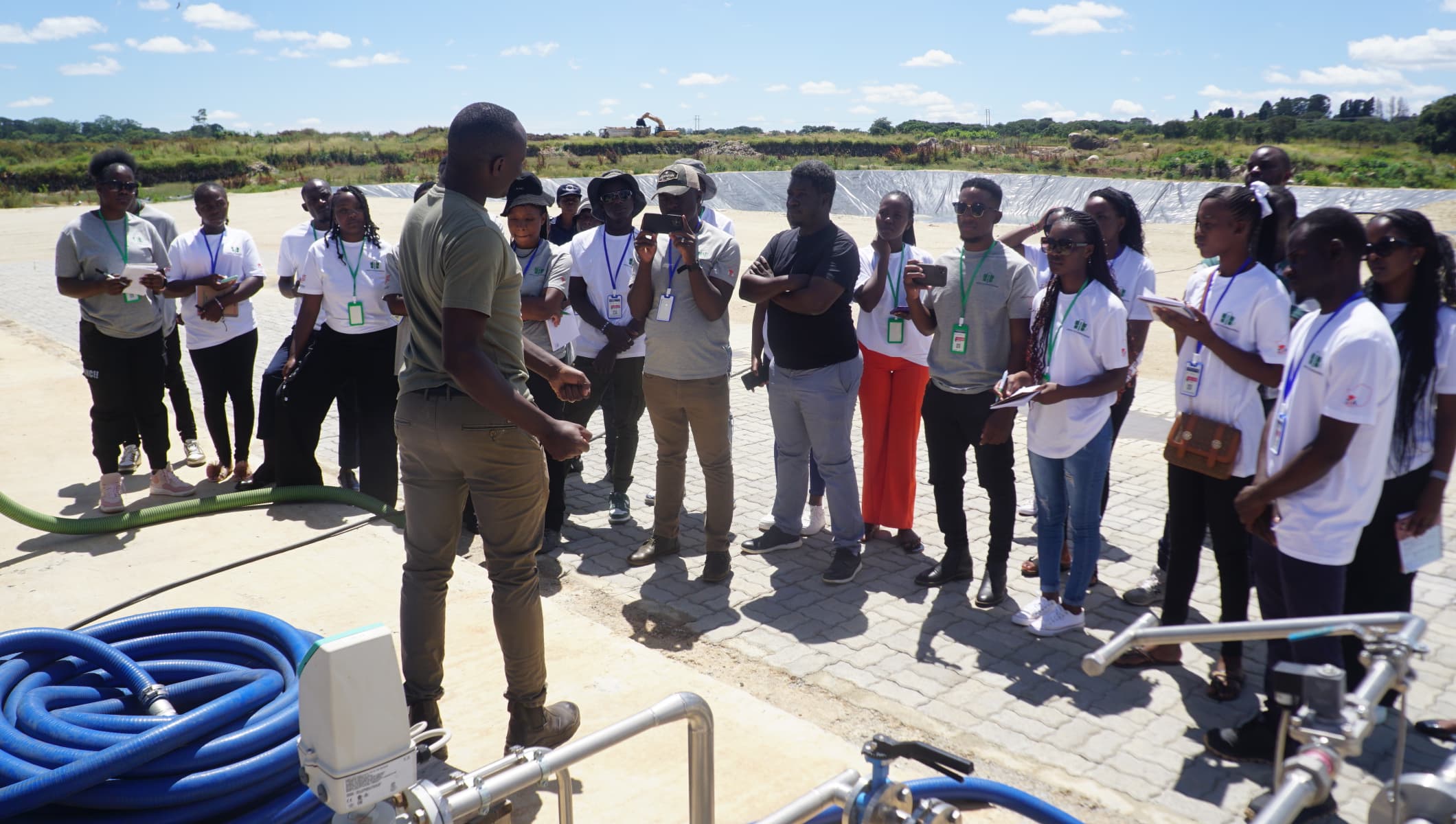
Anesu January
Online Correspondent
The Zimbabwe Students Association (ZSA), in collaboration with the Danish Youth Council for Business Students, recently hosted the Green Future Business Bootcamp to equip university and polytechnic students with sustainable environmental business practices.
The bootcamp was designed to empower young innovators and entrepreneurs with the skills necessary to integrate environmental sustainability into business operations in Zimbabwe.
Key topics covered included green business models, climate change and its impact on Zimbabwe, and the role of Artificial Intelligence (AI) in tackling climate challenges. These discussions provided valuable insights for participants looking to contribute to the emerging green business movement.
Zimbabwe Students Association vice-president, Ms Audrey Matambo, highlighted the need for corporate entities to balance profit-making with environmental responsibility.
“The Green Future Business Bootcamp aims to inspire young professionals to drive change in the corporate sector by fostering environmental consciousness in their daily work and business ventures,” she said.
“This initiative is crucial for Zimbabwe’s future. By equipping young people with green business skills, we are not only addressing environmental challenges but also cultivating a new generation of entrepreneurs who can drive sustainable economic growth.”
One of the participants, Mr McDonald Chidhakwa, expressed enthusiasm about AI’s potential in managing climate change.
“AI can offer innovative solutions to combat climate change in Zimbabwe,” he said.
“I also learned how waste can be turned into a financial asset during our visit to the Geo Pomona Waste Management Facility. For instance, companies must pay US$40 per tonne of waste, and the facility is now working on a project to contribute power to the national grid.”
Another participant, Mr Prince Gumbo, noted a global shift in business models toward sustainability, citing examples such as Tesla Motors and Unilever Global.
“I realised that businesses prioritising environmental responsibility are more likely to build strong reputations and outperform competitors,” he said.
The bootcamp encouraged students to share their knowledge with peers, fostering a culture of sustainable green business practices across educational institutions.



 Online Reporter