Online Reporter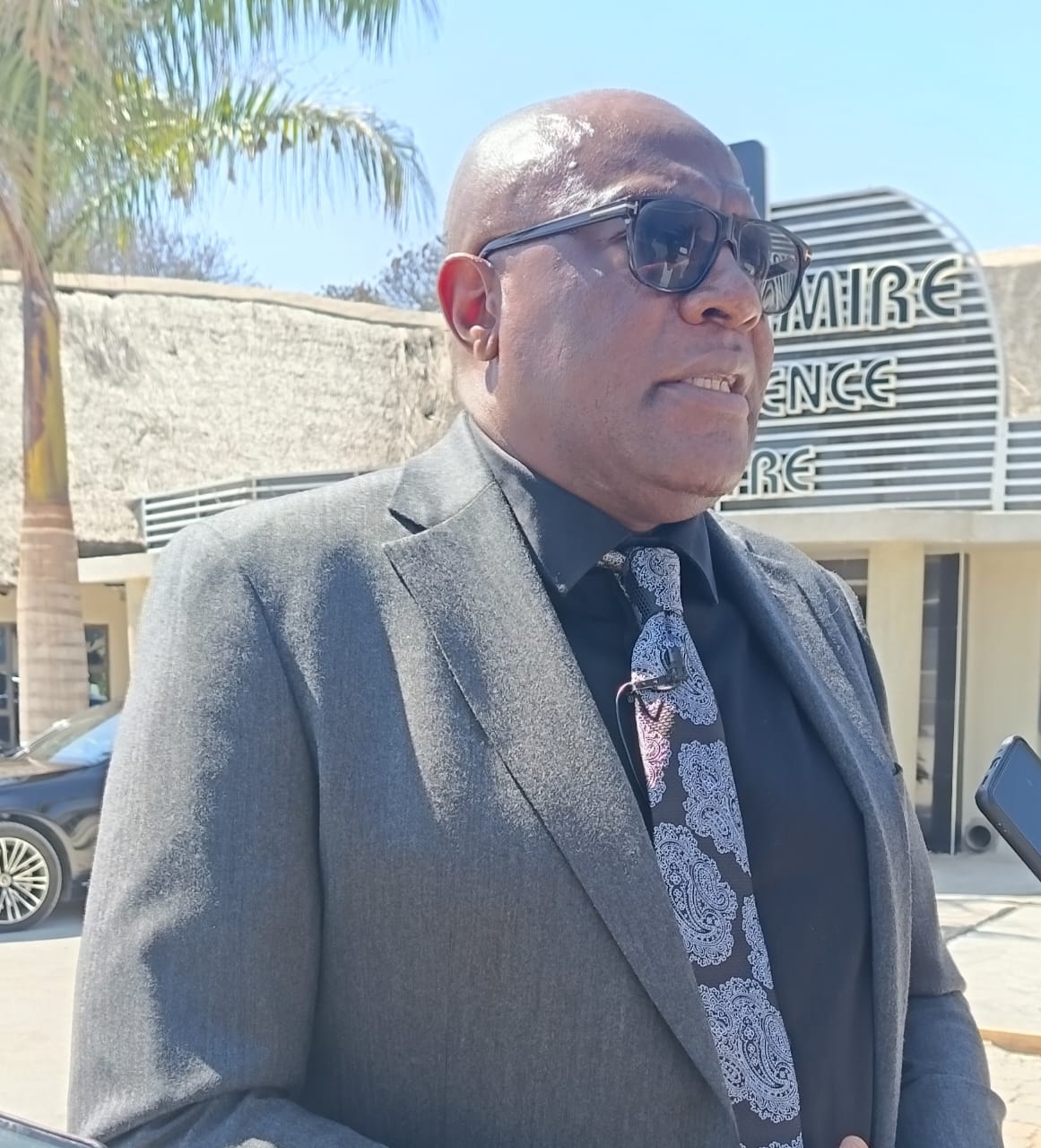
Patrick [email protected]
THE new Kwekwe High Court and Magistrates’ Court complex is set to open by November, with construction of the multi-purpose facility now in its final stages. The development marks a major milestone for Kwekwe and comes on the heels of the opening of the Emmerson Dambudzo
Mnangagwa Law School, further strengthening the city’s growing status as a centre for legal education and the administration of justice.
Judicial Service Commission (JSC) secretary Dr Walter Chikwana said the project, which began two years ago, was nearing completion and would house an expanded Magistrates’ Court, a new High Court station and the Office of the Sheriff.
He made the remarks during a recent interview in Gweru on the sidelines of an induction workshop for newly appointed High Court judges.
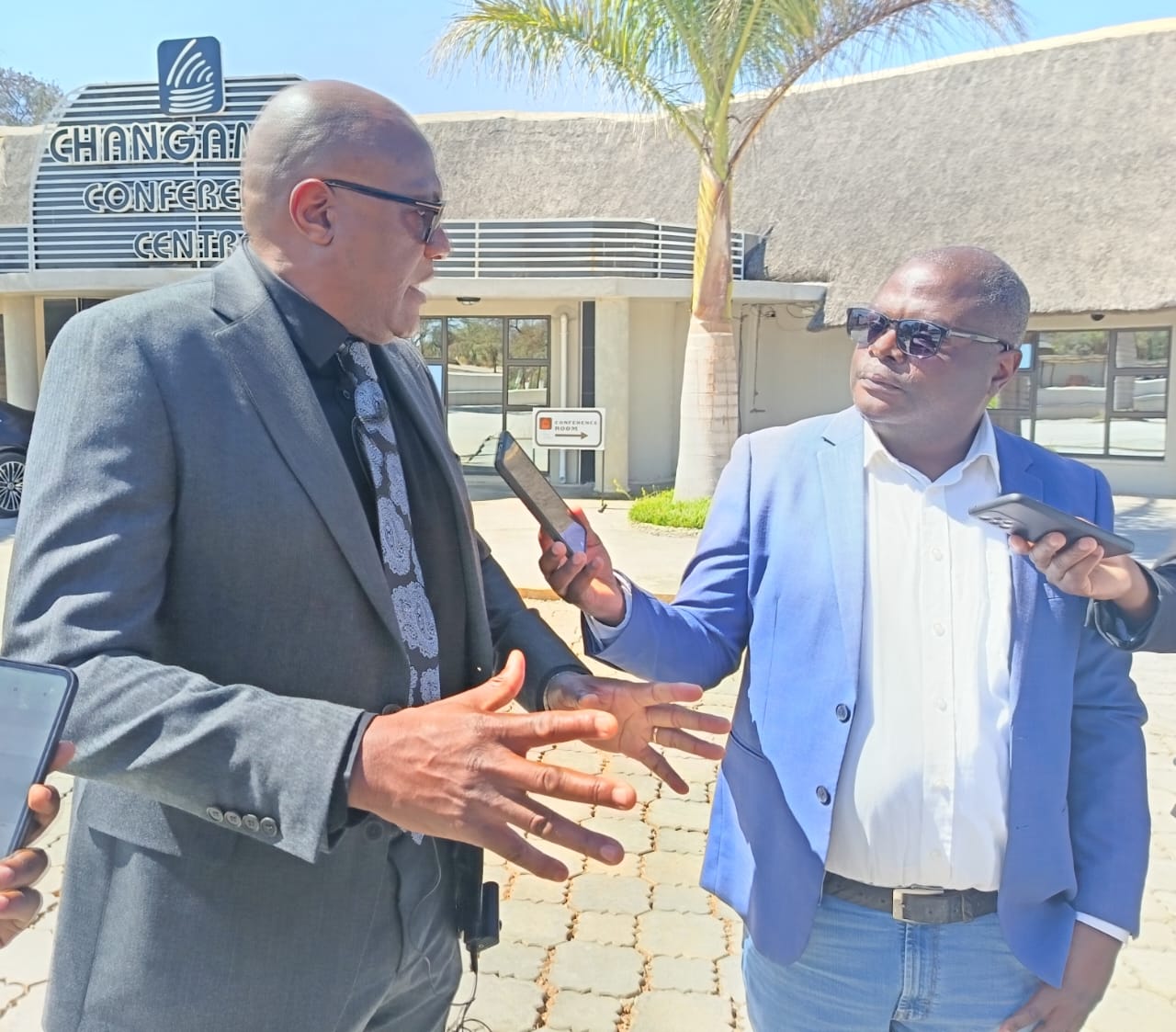
Dr Chikwana said major construction work had been completed, with contractors now focusing on final finishes, including tiling and completing the courtrooms.
“So, about Kwekwe, you would appreciate that we started two years ago to construct a court complex in Kwekwe, which is supposed to accommodate the expansion of the Magistrates’ Court, which is already in Kwekwe. At the same time, we are also opening a new High Court station in Kwekwe together with the Office of the Sheriff. A lot of progress has been made, as we promised in the beginning of the year.”
Dr Chikwana said preparations to operationalise the new station were also at an advanced stage, with staff already appointed for both the Magistrates’ Court and High Court.
He said the Chief Justice, in consultation with the Judge President, had made the necessary judicial appointments, paving the way for the station to begin operations.
Dr Chikwana said the project forms part of broader efforts to improve access to justice in Midlands Province.
“So, I can assure you that before the end of the year, and latest around November, we must be able to open Kwekwe High Court and Magistrates’ Court here in Midlands Province,” he said.
Once operational, the complex is expected to ease pressure on existing courts in the province while bringing judicial services closer to residents. It will also complement the newly established law school, further positioning Kwekwe as an emerging legal and judicial hub.
Meanwhile, Dr Chikwana revealed that the JSC is rolling out defensive-driving training for employees who operate commission vehicles.
He said the initiative follows several road accidents involving Judicial Service personnel, including incidents that claimed the lives of a magistrate along Plumtree Road and a staff member in Binga.
“We made a decision as an organisation that we need to protect lives and property as well as members of the Judicial Service. We have had members of staff who have been injured because of accidents, and we have had a lot of motor vehicles where huge amounts of money are being used to do repairs for those cars.”
Dr Chikwana said the accidents were not always caused by JSC employees, with third parties often responsible.
“However, we made an institutional decision that we need to protect our members of staff, judges, judicial officers and magistrates. We need to have them undergo defensive-driving training so that, in the event of an imminent accident, they will be able to apply those skills to protect themselves and safeguard property.”
Dr Chikwana said the programme would be implemented across the institution.
“Members of the institution who drive commission motor vehicles should attend the defensive-driving course for their own safety,” he said.
He also outlined the JSC’s expectations of newly appointed High Court judges attending the induction workshop in Gweru.
Dr Chikwana said the orientation programme, held whenever new judges are appointed, is designed to prepare them for the responsibilities of the Bench.
The judges come from diverse professional backgrounds, including private practice, the Magistrates’ Courts, the National Prosecuting Authority and the Office of the Attorney-General.
“They are all being brought together now so that they are conscientised on the job that is at hand,” he said.
Dr Chikwana said experienced judges were facilitating the programme, with most resource persons drawn from the Constitutional Court, as well as the Supreme Court and High Court, including the Judge President.
“It is to equip them, make them ready, so that when they commence that job of adjudication over matters, they are ready and they will administer justice,” he said.
Dr Chikwana said a similar exercise would be conducted within the next two weeks for newly appointed Labour Court judges.
“We are doing this for judges of the High Court; we will be carrying out the same exercise in a week or two for judges of the Labour Court who were newly appointed as well. So, it is really a process that we have to go through in preparing you to sit on the bench as a judge of any court that you would have been appointed to,” he said.