

 Online Reporter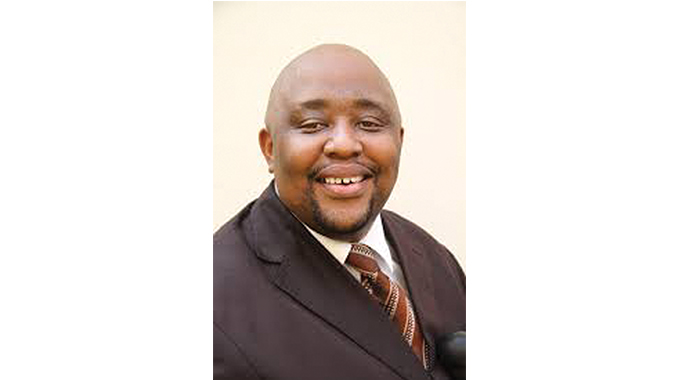
Patrick Chitumba [email protected]
TRADITIONAL leaders have been urged to uphold judicial independence, integrity and fairness in the administration of justice, with chiefs challenged to ensure community courts remain free from external interference.
Midlands Provincial Chiefs Assembly chairperson Senator Chief Ngungumbane of Mberengwa made the call during the assembly’s first statutory meeting of 2026 in Gweru.
He said primary and community courts were a critical component of the justice delivery system and that traditional leaders, given their judicial responsibilities, must lead by example.
“The primary and community courts constitute an integral part of the judiciary. In enhancing service delivery within the justice system, chiefs must be seen as role models,” he said.
“Chief courts must remain independent, free from external pressures, and strictly uphold judicial ethics and integrity.”
Chief Ngungumbane said strict adherence to judicial ethics was essential in maintaining public confidence in traditional courts, which continue to play a key role in resolving disputes at community level.
He said communities expected traditional leaders to discharge their duties with dignity, fairness and impartiality while remaining accessible to the people they serve.
“Communities expect traditional leaders to conduct themselves with dignity and fairness while remaining accessible to the people. Society expects traditional leaders to be individuals of high integrity, good moral standing, approachable, fair, just, and firm yet tolerant towards their people,” said Chief Ngungumbane.
The assembly also called for urgent measures to mitigate the potential effects of drought following forecasts of below-normal rainfall.
Chief Ngungumbane said traditional leaders had resolved to appeal to Government to provide farmers with drought-tolerant seed varieties, particularly sorghum and millet, to strengthen food security.
“Farmers were also encouraged to consider destocking their livestock before pasture and water shortages worsen, allowing them to preserve the value of their herds while reducing pressure on available grazing,” he said.
The meeting further raised concerns over livestock diseases, particularly January disease, also known as Theileriosis, which continues to threaten cattle production in parts of the province.
Chief Ngungumbane said traditional leaders were advocating for a consistent supply of dipping chemicals to help farmers control livestock diseases.
“The traditional leaders are calling for a consistent supply of dipping chemicals to help farmers control livestock diseases,” he said.
He urged farmers not to rely entirely on Government interventions but to consider private dipping services and source the chemicals required to protect their livestock.
“Farmers must take the initiative to secure private dipping services and necessary chemicals to safeguard their livestock,” he said.
The assembly also called for improved orientation and administrative training for newly installed traditional leaders.
Chief Ngungumbane said some chiefs had assumed office without formal administrative training because orientation programmes had not been conducted for an extended period.
“A number of traditional leaders had assumed office without receiving formal administrative training because orientation workshops had not been held for an extended period,” he said.
He stressed the importance of continuous capacity building to ensure traditional leaders fully understood customary protocols, judicial procedures and the expectations of the communities they serve.
Chief Ngungumbane said traditional leaders were also keenly awaiting proposed legislation that would establish a binding Code of Conduct governing their responsibilities and ethical standards.
“The Code of Conduct is expected to be drafted by traditional leaders themselves, giving them an opportunity to define standards governing their conduct and responsibilities,” said Chief Ngungumbane.
The meeting also discussed issues relating to the administration of traditional leadership, including the selection of traditional leaders.
Chief Ngungumbane said recommendations on the matter were still under consideration and could not be disclosed at this stage, describing the issue as an ongoing administrative process requiring further deliberations.


