mbulelo smpofu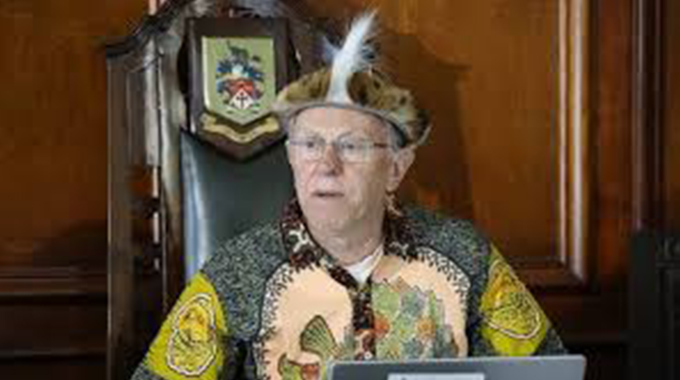
Sikhumbuzo Moyo, [email protected]
BULAWAYO City Council (BCC)’s colonial mayoral gown is set to be replaced with a design that reflects the city’s rich cultural heritage.
Internationally acclaimed youthful fashion designer and founder of Ganu Designs has been identified to spearhead the creation of the new gown.
For years, the city’s mayoral regalia has consisted of a red robe trimmed with black velvet and a mock sable fur worn with a lace frill, a hat, and gold chains. This ceremonial insignia has been in use since at least the 14th century, regardless of the climate.
The tradition dates back to the reign of Edward III when livery companies, which were civic leaders, adopted distinctive uniforms. These companies emerged from the merchant and craft industries, possessing both wealth and organisational capabilities. Their influence in local governance led to the adoption of ceremonial robes.

In 1960, the Bulawayo mayor and town clerk received two outfits from England, costing £240,19 (about US$482), with an expected lifespan of at least 50 years. However, despite Zimbabwe’s independence and the installation of Bulawayo’s first black mayor, the late Cde Naison Khutshwekhaya Ndlovu, the mayoral regalia remained unchanged, which many now view as a colonial relic.
According to the latest council meeting, town clerk Mr Christopher Dube stated that the City of Bulawayo has been receiving repeated calls from the public to update the mayoral gown to better reflect local culture.
“It was noted that to do so, there would be a need to engage designers who could work with the municipality to design the new mayoral gown,” said Mr Dube.
He added that the existing gown’s heavy material made it uncomfortable, especially during summer. The proposal includes separate summer and winter gowns to ensure comfort during civic functions held in different seasons.
Mr Dube said the new design should incorporate Bulawayo’s colours, Ndebele patterns, and cultural elements, while possibly retaining the red colour to align with the city crest.
Additionally, the gown should include architectural references and cultural connotations associated with Bulawayo. The headgear is also set to change, with the traditional hat being replaced by the Ndebele umqhele.
“The new gown must reflect the inclusivity of Bulawayo’s residents, drawing inspiration from the region’s rich arts, history, and culture while celebrating diversity as a strength. It is anticipated that the new gown will also boost tourism, with the old gowns being showcased at the Natural History Museum to illustrate their historical evolution,” added Mr Dube.
City Mayor, Councillor David Coltart said the mayoral gown was more of a Scottish attire with little reference to the city’s connotations associated with Bulawayo.
Analyst Mr Nhlanhla Bahlangene Dube welcomed the council’s decision, describing it as long overdue. He lauded the move for its cultural and historical significance, noting that it marks an important step in celebrating national independence and cultural diversity.
“The importance of reclaiming identity and celebrating history can drive tourism revenue through festivals, guided city tours of historical sites, and the sale of memorabilia and artefacts,” said Mr Dube.
He further argued that colonial influences should be minimised, advocating for a stronger Zimbabwean identity in official attire.
“Beyond the penchant for suits, chiefs’ official attire must reflect our history and culture. Judges, too, should be freed from replicating outdated European traditions,” said Mr Dube.



 Online Reporter