


 Sundaymail Editor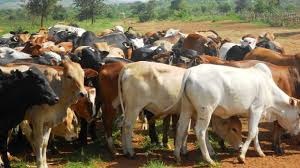
Theseus Shambare
As Government seeks to protect the national herd and transmission of anthrax to humans, over 600 000 cattle have been vaccinated in a concerted effort to curb the spread of anthrax.
Anthrax is a serious infectious disease caused by the bacterium Bacillus anthracis. It can affect humans and animals through skin contact, ingestion, or inhalation of spores.
This large-scale vaccination drive comes in response to a recent surge in anthrax cases, particularly in Mashonaland West and Midlands Provinces, thereby prompting the Directorate of Veterinary Services (DVS) to intensify its nationwide campaign.
“We vaccinated 653 708 cattle against anthrax since 2024. We have launched mass vaccination campaigns in high-risk areas,” said DVS chief director, Dr Pious Makaya.
The vaccination campaign, he said, is a key component of the DVS’s strategy to contain the outbreak.
Despite the extensive vaccination efforts, he said 41 cases and deaths in cattle were reported across Midlands, Mashonaland East and Manicaland Provinces, underscoring the persistent threat of the disease.
“This highlights the need for continued vigilance and intensified efforts,” Dr Makaya said.
Recognising the zoonotic nature of anthrax, the DVS is prioritising livestock vaccination and monitoring to minimize human transmission.
“To minimize the risk of anthrax transmission from animals to humans, we are conducting mass vaccinations of cattle in high-risk regions. A notable example is the vaccination of 80 000 cattle across 33 dip tanks surrounding Gonarezhou National Park during a recent outbreak,” he said.
Dr Makaya said enhanced surveillance and public awareness campaigns are also integral to the DVS’s strategy.
“Educational initiatives are ongoing to inform communities about the dangers of handling or consuming meat from animals that have died of unknown causes,” he said.
Dr Makaya attributed the recent surge in anthrax cases to a confluence of factors, including environmental conditions, farming practices and socio-economic pressures.
“Anthrax outbreaks are often correlated with extreme climatic events,” he explained, noting that “suboptimal farming practices, including inadequate carcass disposal and insufficient vaccination, can also facilitate the spread.”
He further highlighted the impact of food insecurity, which compels some communities to consume potentially contaminated meat.
The DVS is collaborating closely with the Ministry of Health and Child Care to ensure a coordinated approach.
“We are working together to develop and enforce policies aimed at controlling anthrax. We are also collaborating with health officials to educate communities on proper carcass disposal methods,” Dr Makaya.
Looking ahead, the DVS is focusing on long-term strategies to prevent future outbreaks.
“In areas identified as anthrax hotspots, we conduct regular vaccination campaigns for livestock, aiming to achieve at least 90 percent coverage.
“Efforts are being made to improve disease surveillance and reporting systems,” he said.



 Online Reporter