Online Reporter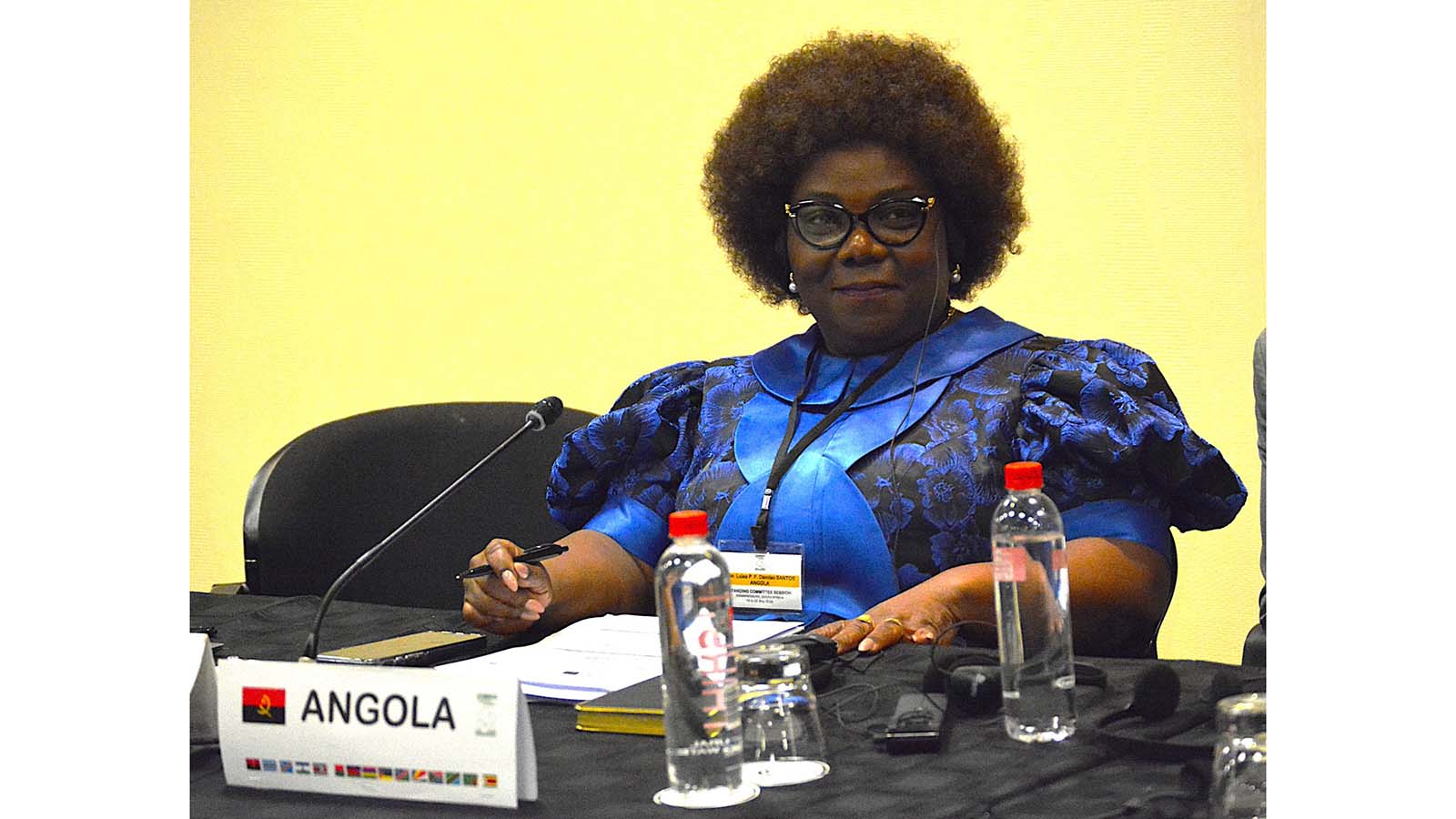
Moses Magadza in JOHANNESBURG, South Africa
THE joint session of standing committees of the SADC Parliamentary Forum ended in Johannesburg on Thursday with a strong call for member parliaments to translate regional commitments into concrete national action.
Held under the theme “Enhancing Parliamentary Advocacy for the Effective Domestication and Implementation of SADC Protocols for Democratic and Inclusive Governance”, the three-day meeting brought together parliamentarians, parliamentary staff, civil society representatives,
researchers, cooperating partners and governance experts from across the region.
It was supported by several cooperating partners, including International IDEA, GIZ, the European Union, Austrian partners and the government of Sweden through the SADC PF Sexual and Reproductive Health and Rights, HIV and AIDS Governance Project.
Closing the meeting, newly elected chairperson of the Standing Committee on Human and Social Development and Special Programmes (HSDSP) Angolan parliamentarian Luísa Damião said the session had been “productive and important” and tackled issues that go to the heart of democratic governance, human dignity and social justice in the SADC region.
“We deliberated, debated and built together,” she said.
The joint session examined a wide range of issues, including women’s participation in decision-making, political financing, violence against women in politics, youth participation in parliamentary processes, inclusive governance for persons with disabilities, partnerships between civil society and parliaments, and socio-economic inequality.
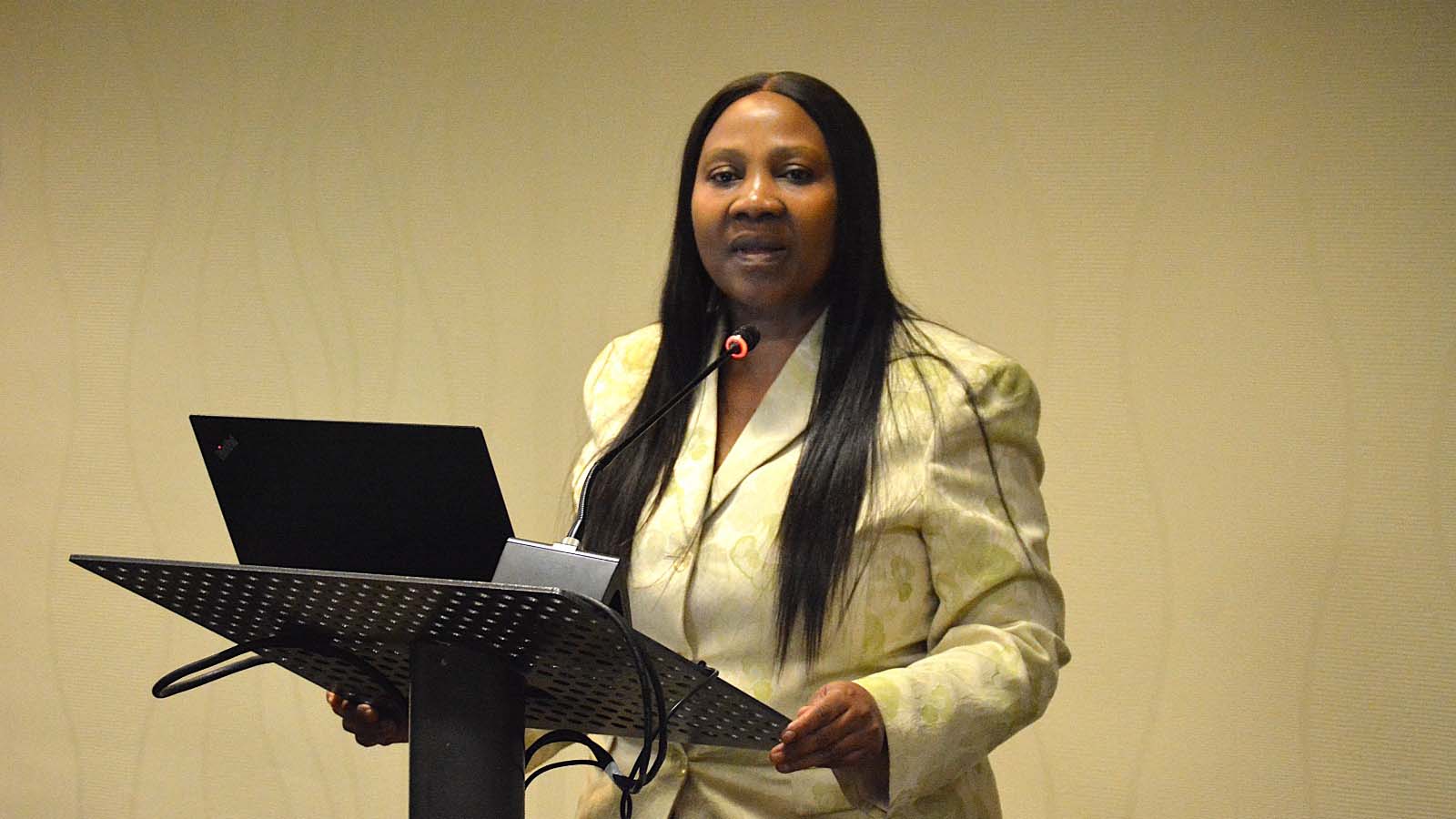
“We heard leaders from across the region speak honestly about quotas, political financing and violence against women in politics. They were not comfortable words. They were necessary words,” Damião said.
Representation alone, she said, was insufficient without meaningful influence.
“Sitting in parliament is important, but it is what one does from that position that transforms lives,” she said.
A major highlight of the final day was the validation of the SADC Model Law on Prison Oversight and deliberations on the SADC PF Sexual Harassment Policy.
Damião described the prison oversight model law as a reminder that parliamentary action must also reach “those whom society prefers to forget”.
On the Sexual Harassment Policy, she said the initiative confronted an issue that had remained hidden for far too long.
“Sexual harassment is not a marginal concern. It is a matter of human dignity, institutional integrity and democratic accountability,” she declared.
She urged member states to ensure that prison oversight remained firmly on national agendas and called on parliamentarians to champion the domestication of the model law into national legislation.
“No model law can achieve its purpose without the political will necessary to bring it to life,” she said.
Damião also called for the creation of safe, respectful and inclusive parliamentary environments supported by reliable reporting mechanisms and victim-centred responses.
“The true test lies in what follows in the work of your standing committees, in plenary debates and in the daily exercise of parliamentary oversight.”
Damião also stressed the growing importance of parliamentary diplomacy and rejected the notion that diplomacy belonged exclusively to ministries and chancelleries.
“Parliamentary diplomacy is shaped by the voices of populations that elected representatives to go beyond their borders and bring back concrete instruments.”
She said such instruments included model laws, institutional policies and monitoring mechanisms that national parliaments could adapt and implement.
Damião urged delegates to return home with renewed conviction.
“The documents we produce are worth what they promise. And what they promise will only become reality if each of us returns to our parliament, our party and our community carrying not merely a folder of reports, but a renewed conviction that through dialogue, legislation and political will, it is possible to build a region that is more just, more secure and more humane.”
Speaking at the same occasion, SADC PF Secretary-General Ms Boemo Sekgoma called on parliamentarians across Southern Africa to uphold a rules-based approach to governance and defend the universality and indivisibility of human rights.
“Either we believe in rules or not, and if we do, then the rules need to be enforced,” she said.
“If rules are to be enforced, they should be enforced universally for all, leaving no one behind, since rules by definition are of general application.”
She warned against selectively applying human rights depending on circumstance or personal conduct.
Reflecting on deliberations surrounding the SADC Model Law on Prison Oversight, Ms Sekgoma said delegates had demonstrated maturity and balance in recognising that prisoners retain fundamental human rights despite restrictions on freedom of movement.
“We cannot pick and choose which human rights should be applicable,” she said.
Ms Sekgoma also said disability does not diminish human dignity or personhood.
“The loss of a limb or the loss of memory does not change the human nature of a person, no more than loss of hearing or eyesight.”
She also highlighted the joint session’s detailed consideration of the SADC PF Sexual Harassment Policy and described protection from sexual harassment as an extension of the right to physical integrity.
“As we speak of women empowerment, gender parity or the absence of discrimination to amplify the voices of women, we must recall at all times that equality only starts when women are respected and valued,” she said.