Online Reporter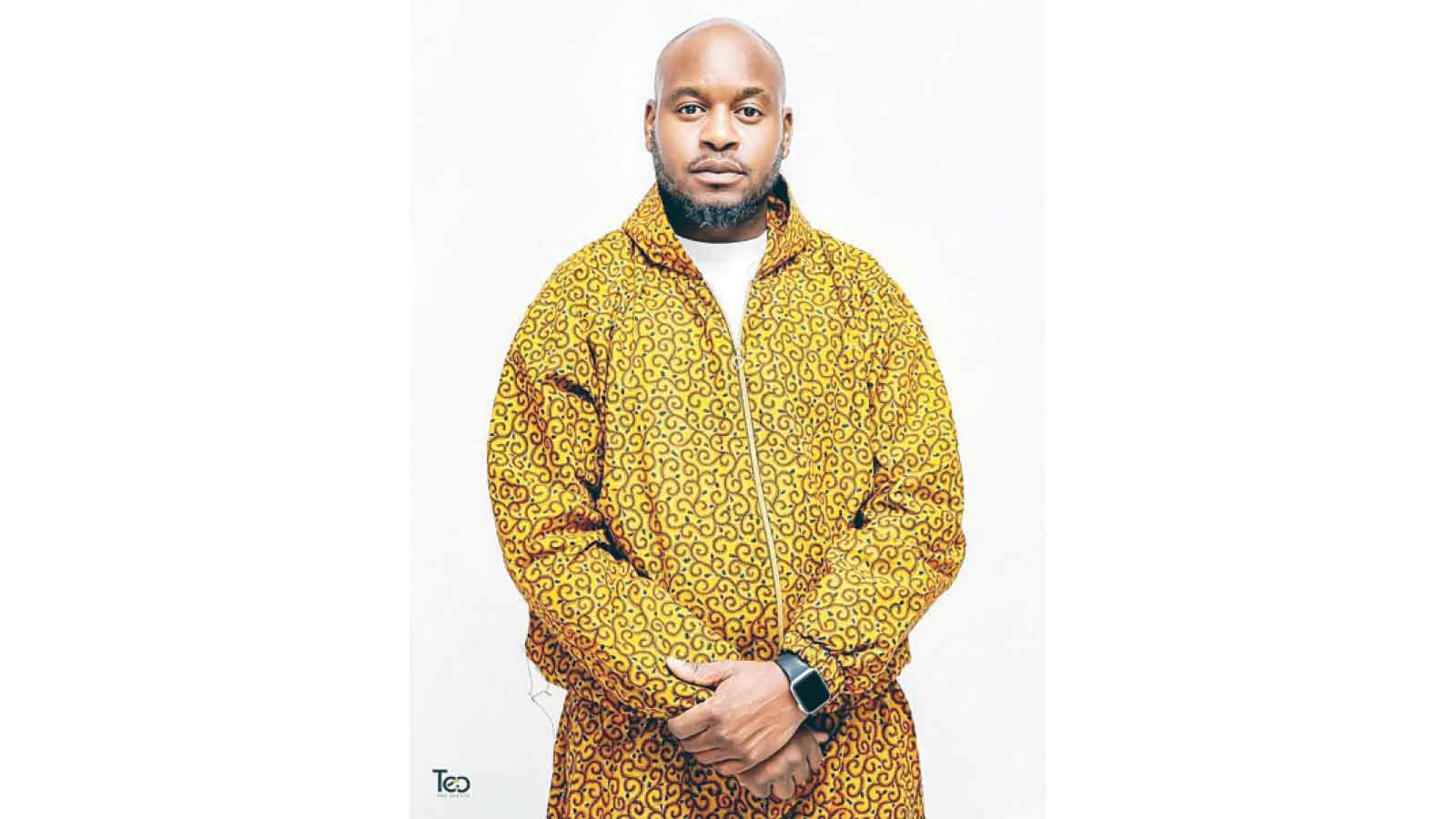
Trust Khosa
Zimpapers Arts and Entertainment Hub
THEY entered the fray at a time when social media was virtually non-existent.
Most were teenagers in high school or first-year university students when Zimbabwe introduced a 75 percent local content broadcasting policy in 2001 under the Broadcasting Services Act (BSA).
The policy helped give birth to the urban grooves movement, which went on to dominate the local music scene for several years.
An array of stars, including Plaxedes Wenyika, Leonard Mapfumo, Alishias “Maskiri” Musimbe, Ottis Ngwabi, Pauline Gundidza, Sani Makhalima, Dino Mudondo, Alexio Kawara, Diana Samkange, Betty Makhaya, Tererai Mugwadi, Daniel “Decibel” Mazhindu and Nesto, among many others, emerged on the scene.
However, fate took an unexpected turn around 2007/08 when most of the pioneers left Zimbabwe in search of greener pastures in the region and overseas.
The emergence of Zimdancehall, an offshoot of the urban grooves movement, further changed the musical landscape, with the new genre ruling the roost while many of the pioneers of urban grooves either fell by the wayside or slipped into obscurity.
A few managed to reinvent themselves by transitioning from urban grooves into genres such as Afro-fusion, reggae and jiti, allowing them to remain relevant.
Now, the pioneers of urban grooves can dare to dream again as the movement receives a fresh lease of life.
Music administrator, academic and television personality Alexio Gwenzi, better known as GoodChild, has vowed to breathe new life into the careers of the genre’s pioneers.
After all, he is part of the same generation that gave the genre fame and fortune.
Gwenzi, who has been leading an Urban Grooves revival through a series of shows in Harare and its environs, remains optimistic that the pioneers of the genre are here to stay.
“Urban Grooves is immensely relevant to today’s generation, not just as a genre, but as the foundational DNA of modern Zimbabwean youth culture,” said Gwenzi, who has been at the forefront of this movement.
“First, it laid down the blueprint. Before Urban Grooves, radio was dominated by international pop and some traditional genres.
“The 75–100 percent local content policy introduced by the Government proved that young Zimbabweans could create home-grown hip-hop, R&B, pop and dancehall music in Shona, Ndebele and other local languages.
“Without that early 2000s movement pioneered by Delani Makhalima, Roki, ExQ, Plaxedes Wenyika and others, the rise of Zimdancehall and Zim Hip-Hop wouldn’t have been possible.
“Another important point is that it lives on through evolution. We cannot say Urban Grooves has disappeared; it has integrated.”
Gwenzi, whose movement has seen the pioneers performing in Mutare, Goromonzi and Harare, with the next stop being Kwekwe in September, also sought to clear the air on the nature of the movement.
“In fact, there has been a misconception that Urban Grooves was a genre. It never was; it was a movement. I believe all this music we are hearing from young artists like Shashyl, Tammy Moyo, Holy Ten, Bling 4 and Saint Floew is ‘urban music’ — it is ‘Urban Grooves.”
“You can also see that the Urban Grooves movement from back in the day still has artistes who continue to make great music.
“Look at how ExQ still dominates local charts by blending classic Urban Grooves song-writing with modern Afrobeat, or how Roki has bridged the gap between old-school fans and Gen Z through international collaborations such as his work with Koffi Olomide.
“Today’s youth might be listening to Amapiano or Afro-pop, but the song-writing structures and melodic hooks are deeply rooted in Urban Grooves.
“Finally, there is a huge nostalgia and sampling revival.”
He added:
“Gen Z and Millennials view the 2000–2010 Urban Grooves era as a ‘golden age’ of Zimbabwean pop culture.
“Songs like Decibel’s ‘Madhara’, Sani Makhalima’s “Usadaro” and Roki’s “Chidzoka” are still anthems at parties, weddings and in digital spaces.
“So, while the term ‘Urban Grooves’ might sound historical, the music itself remains the backbone of the Zimbabwean entertainment industry today.”
Gwenzi was impressed by the attendance at their live shows, which have been driven by nostalgia.
“Attendance has sky-rocketed lately because Zimbabweans miss good, timeless music. Fans are filling venues to watch Urban Grooves legends perform live on stage.
“I was right there in the trenches as an Urban Grooves artist, feeling the electricity of a new sound that belonged entirely to our generation.
“When I transitioned into TV broadcasting on ‘Coke on the Beat’, I saw the power of giving local creators a national spotlight.
“Every week, I used that show as a springboard to showcase the genius of guys like Roki, Maskiri, Dino Mudondo, Trevor Dongo and Pauline. We were building an industry in real time,” he recalled.