tawandamusarurwa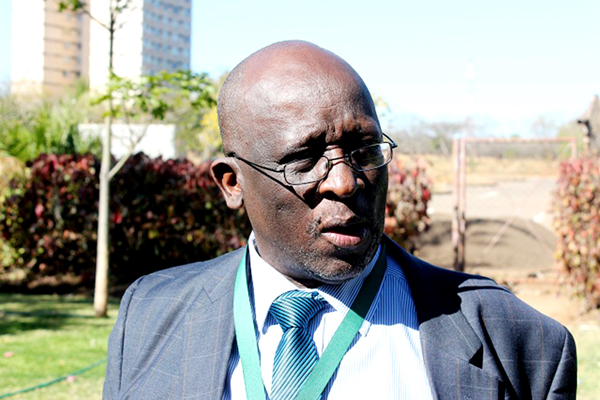
Debra Matabvu
OVER US$3 million has been utilised in the implementation of the short-to-medium term State Enterprises and Parastatal (SEP) reforms framework, as Government seeks to replace the current parastatal ownership model with a centralised model that will ensure transparency and accountability.
The current decentralised model – according to authorities – lacks the requisite checks and balances.
Secretary for State Enterprises Reform, Corporate Governance and Procurement in the Office of the President and Cabinet, Mr Willard Manungo, said Government was finalising the new model that will be used to govern parastatals.
“This model has brought with it challenges relating to the effective oversight and governance of the SEPs sector, against the backdrop of general underperformance of the sector,” he said.
“However, other jurisdictions, both within the region and beyond where alternative SEPs Ownership Models have been adopted benefitted through improved performing SEPs, some of which are in the Fortune 500.
“This has motivated the Government of Zimbabwe to review the current Ownership Model and consider more progressive alternative ownership models as in other jurisdictions.
“The Review process of the Ownership Model has been completed and Government is now finalising its consideration.”
Mr Manungo said partial privatisation of Allied Timbers is being initiated with the preparatory phase expected to end in June 2022, while the partial privatisation of TelOne and NetOne is already underway.
Other parastatals that are undergoing reforms include, the Zimbabwe Mining Development Corporation (ZMDC), Grain Marketing Board (GMB), Civil Aviation Authority of Zimbabwe (CAAZ), Zimbabwe Electricity Supply Authority (ZESA) and Zimbabwe United Passenger Company (ZUPCO), among others.
In total, Government has lined up 41 parastatals for reforms ranging from liquidation, full privatisation, and transformation to regulator, merging and demerging, as well as departmentalisation into existing ministries.



 Online Reporter