Online Reporter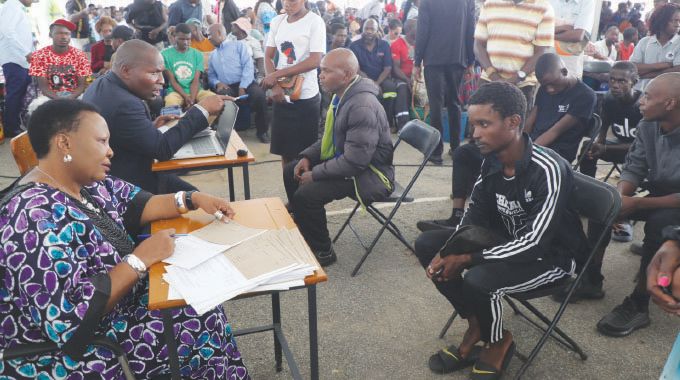
Blessings Chidakwa, Senior Reporter
TEARS, hope and quiet determination filled the air at the Angel of Hope Drug Rehabilitation Centre in Mbare, as families flocked to enrol their loved ones in the centre’s fifth intake.
For many, this was more than an admission it was a lifeline, a chance to reclaim lives shattered by addiction and a moment of fragile hope for a brighter future.
What began as a modest intervention has quickly grown into a national movement.
This latest intake was heavily oversubscribed, with families arriving from all provinces, inspired by the testimonies of those who have walked out of the centre transformed and restored.
Parents and guardians packed the grounds of Stodart Hall in Mbare, some carrying their children in firm restraint, others with quiet determination etched on their faces.
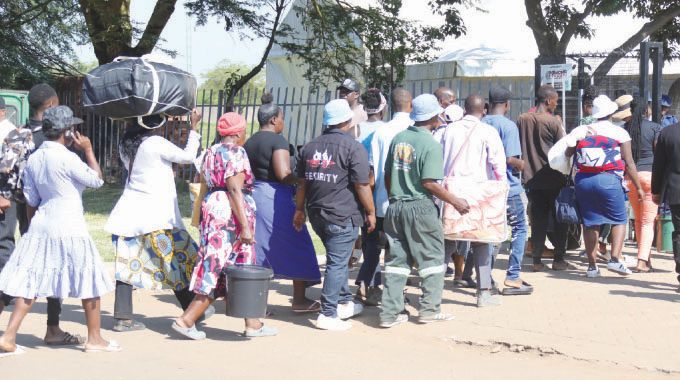
Some patients even attempted to bring drugs into the rehabilitation centre, which were promptly confiscated.
The substances included crystal meth, marijuana and tumbwa, among others.
Other patients were violent; some arrived in handcuffs, fighting admission with desperate resistance.
A few attempted escape, but every one of them was caught.
For many parents and guardians, this was not just an admission day, it was a second chance for their families.
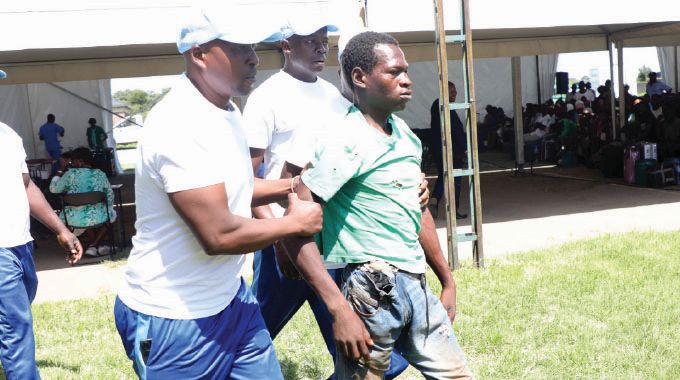
Some desperate parents came in wheelchairs, while one highly intoxicated patient, accompanied by his mother, remarked humorously, “Moms vakundiita tsomu tsomu.”
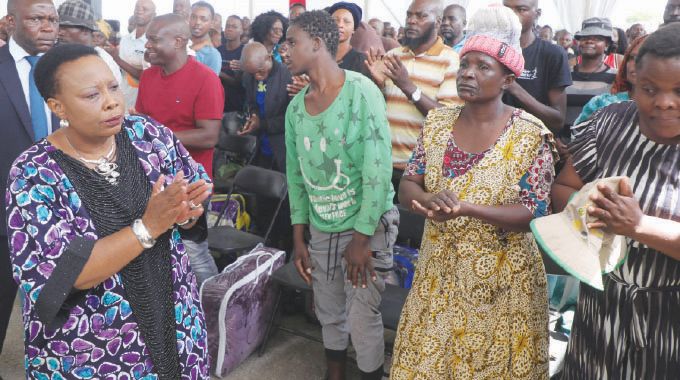
First Lady Dr Auxillia Mnangagwa began by extending warm wishes for the new season before taking parents through the journey of the Angel of Hope Drug Rehabilitation Centre.
“Work closely with us throughout this programme. Within two weeks, parents and guardians will be invited for consultations,” she said.
Veteran newscaster and substance-abuse survivor Oscar Pambuka shared an emotional testimony of his own journey.
“After a 16-year career in broadcasting, I faced serious challenges. I began isolating myself, and that isolation led me into drug abuse. Amai Mnangagwa located me while I was in prison during the zero-tolerance campaign. She reminded me of who I am — Oscar Pambuka, the newsreader.
“This centre teaches discipline and introduces a new way of thinking. Stigma is one of the biggest challenges associated with drug abuse. Survivors should not be stigmatised because stigma can lead to relapse. Drugs destroy the body, damage the liver, lungs and nervous system. Recovery requires strong personal commitment and determination.”
During a question-and-answer session, participants raised concerns about a child confined to a wheelchair struggling with drug abuse.
Another participant asked whether the Angel of Hope Foundation could engage stakeholders to equip parents with knowledge on identifying early signs of drug and substance abuse and how to intervene before the problem escalates.
A parent, shoulders heavy with years of worry, said: “It was so hard. My son is 30, and I couldn’t sleep at night because he would come home drunk, taking dangerous substances and hurling insults that cut deep.
“I felt rejected, even by his father, who said, ‘He is not my child.’ Today, I feel a relief I haven’t known in years, as if a great burden has lifted.”
A mother also thanked Dr Mnangagwa for envisioning and establishing the Angel of Hope Rehabilitation Centre.
“My child was like a wild animal, roaming the streets. I used to be the laughing stock of the community. Some people even from church were selling drugs to our children.
“Respect was lost, insults were endless. Now I can sleep peacefully, knowing that when my child leaves here, there is hope. This is not just a programme, it is a lifeline. Laughing alone won’t help, but helping one another is everything.”
A brother who brought his sister for help shared his heartbreak.
“Drugs ruined her life. She is my sister and leaving the children alone was terrifying she would throw stones at them. She is 31 and had even begun stealing. This programme has given us a lifeline we never imagined.”
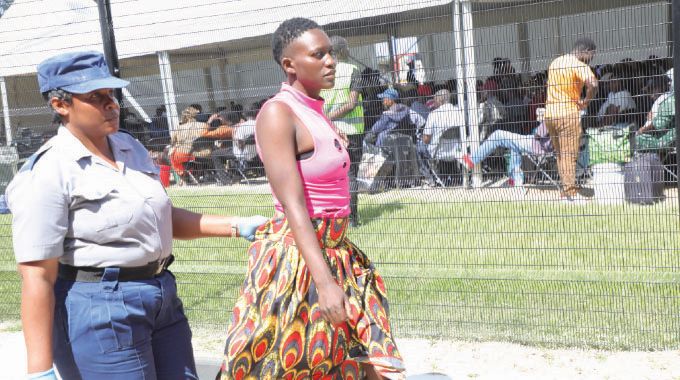
Another parent spoke of despair turned into hope.
“I have my brother and my only child to care for. They were talented — one in engineering, one an auto technician but the drugs were stronger. We tried everything.
“We even had to lie about where we were going, just to bring them here. At home, they would steal our possessions, even clothes and sell them. But here, they are receiving help freely and we have hope again.”
A mother recalled her younger brother’s destructive behaviour.
“He would break everything, steal clothes, destroy property. Then we saw the foundation on the news.
“We came, and they welcomed us warmly. We registered him and now he is being helped. It feels like a miracle.”
Another parent also smiled with cautious relief.
“I brought my youngest brother. He had stopped eating solid food, taking only light meals. But here, with the First Lady’s support and the care of the children, he is beginning to recover. We feel proud and hopeful again.”
The Angel of Hope Drug Rehabilitation Centre continues to show that no life is beyond repair and no story too broken to be rewritten.
Hope, love and determination remain within reach.



 derick.khumalo