malvernmugadzikwa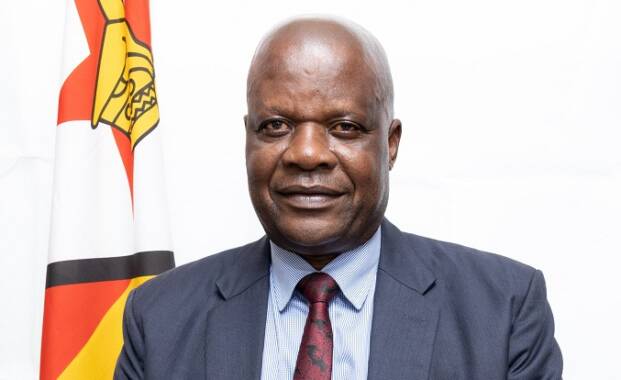
Theseus Shambare
The Government in collaboration with the International Labour Organisation (ILO) held a high-level five-day training workshop that ended on Friday on the National Employment Policy (NEP) Cycle in Harare, aimed to enhance the capacity of stakeholders in designing and implementing effective employment policies.
Speaking during the workshop, Ministry of Public Service, Labour and Social Welfare Permanent Secretary Mr Simon Masanga represented by Mr Cliford Matorera (the chief director of Labour Administration and Employment Services and Promotion) emphasized the importance of the NEP as a roadmap for sustainable job creation and inclusive economic growth.
He highlighted the need to address challenges such as unemployment, underemployment and the skills gap.
“The NEP is not just a document, but a commitment to the well-being of our citizens,” Mr Masanga said.
“It will provide a blueprint for job creation and placement programs, promoting equitable economic growth and ensuring fair labour practices.”
The workshop focused on extracting lessons from past experiences and developing a forward-looking policy that aligns with the National Development Strategy 1 (NDS1) and Vision 2030.
The Government’s commitment to creating an enabling environment for employment and the importance of collaboration between government, the private sector, and educational institutions were emphasized.
ILO country director for Zimbabwe and Namibia, Ms Philile Masuku said there is an urgent need to address high unemployment rates, particularly among youth.
“One of the most significant benefits of this revised employment policy is its commitment to inclusive
growth.
“As part of the International Labour Organisation’s (ILO) agenda, the revised policy framework places a deliberate focus on ensuring that vulnerable groups—particularly youth, women, and persons with disabilities—are given greater access to employment opportunities. In line with the ‘Leave No One Behind’ principle, we aim to ensure that these groups are not excluded from economic participation,” said Ms Masuku.
The Government’s commitment to inclusive growth is evident in the development of a Labour Market Information System (LMIS), which will provide crucial data on employment trends and identify gaps and opportunities.
The training workshop provided a platform for participants to share insights, discuss best practices and develop a policy framework that will contribute to Zimbabwe’s sustainable development goals.
Feedback:X@TheseusShambare



 Online Reporter