


 Sundaymail Editor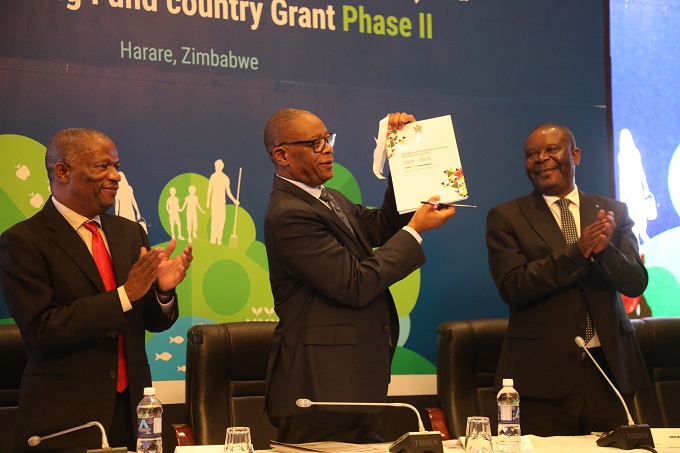
Theseus Shambare
ZIMBABWE has received a significant boost in its fight against antimicrobial resistance (AMR), securing £2,5 million in funding from the UK government’s Fleming Fund phase 2.
The grant, announced at a launch event in Harare on Thursday, will support expanded surveillance, strengthened regulations and promotion of responsible antimicrobial use across human and animal health sectors.
“This occasion brings us together to launch the second-generation of Antimicrobial Resistance National Action Plan (NAP 2.0) and the second Fleming Fund country grant,” said Food and Agriculture Organisation of the United Nations (FAO) sub-regional coordinator Dr Patrice Talla.
He emphasised the critical need for a “One Health” approach, recognising the interconnectedness of human, animal and environmental health in addressing AMR.
“AMR is not just a health issue; it affects food production, rural livelihoods and economic stability.”
He highlighted the importance of responsible antimicrobial use in agriculture, stating: “The integration of AMR into agrifood policies is crucial to ensuring that antimicrobial use in livestock, aquaculture and crop production is both responsible and sustainable.”
The funding will enable Zimbabwe to strengthen its AMR surveillance systems and generate crucial data to inform policy and interventions.
Dr Talla said the focus of the new grant would be on “translating data into policy, building an economic case for AMR mitigation and embedding sustainable practices across the agrifood and health sectors.”
“Today’s launch is not just an event — it is a call to action.”
Health and Child Care Minister Dr Douglas Mombeshora underscored the importance of collaboration in tackling AMR.
“This is a multi-sectoral issue and we need everyone on board, from healthcare professionals to farmers, to ensure we use antimicrobials responsibly,” he said.
He emphasised the need for behaviour change communication to educate communities about the risks of antimicrobial misuse.
“If we do nothing, by 2050, this crisis could claim 10 million lives annually and cut global GDP by trillions. Here at home, the stakes are high, not to mention the strain it will place on our healthcare system and our farmers.”
Chief director of the Department of Veterinary Services Dr Pious Makaya, who was representing Lands, Agriculture, Fisheries, Water and Rural Development Minister Dr Anxious Masuka, highlighted the crucial role of the agricultural sector in AMR containment.
“The misuse and overuse of antimicrobials in livestock production can have devastating consequences. The funding would support initiatives to promote good agricultural practices, reduce disease risks in animals and minimise the need for antimicrobial use.
“It would also support the training of veterinary professionals and farmers on responsible antimicrobial stewardship,” said Dr Makaya.



 Online Reporter