Online Reporter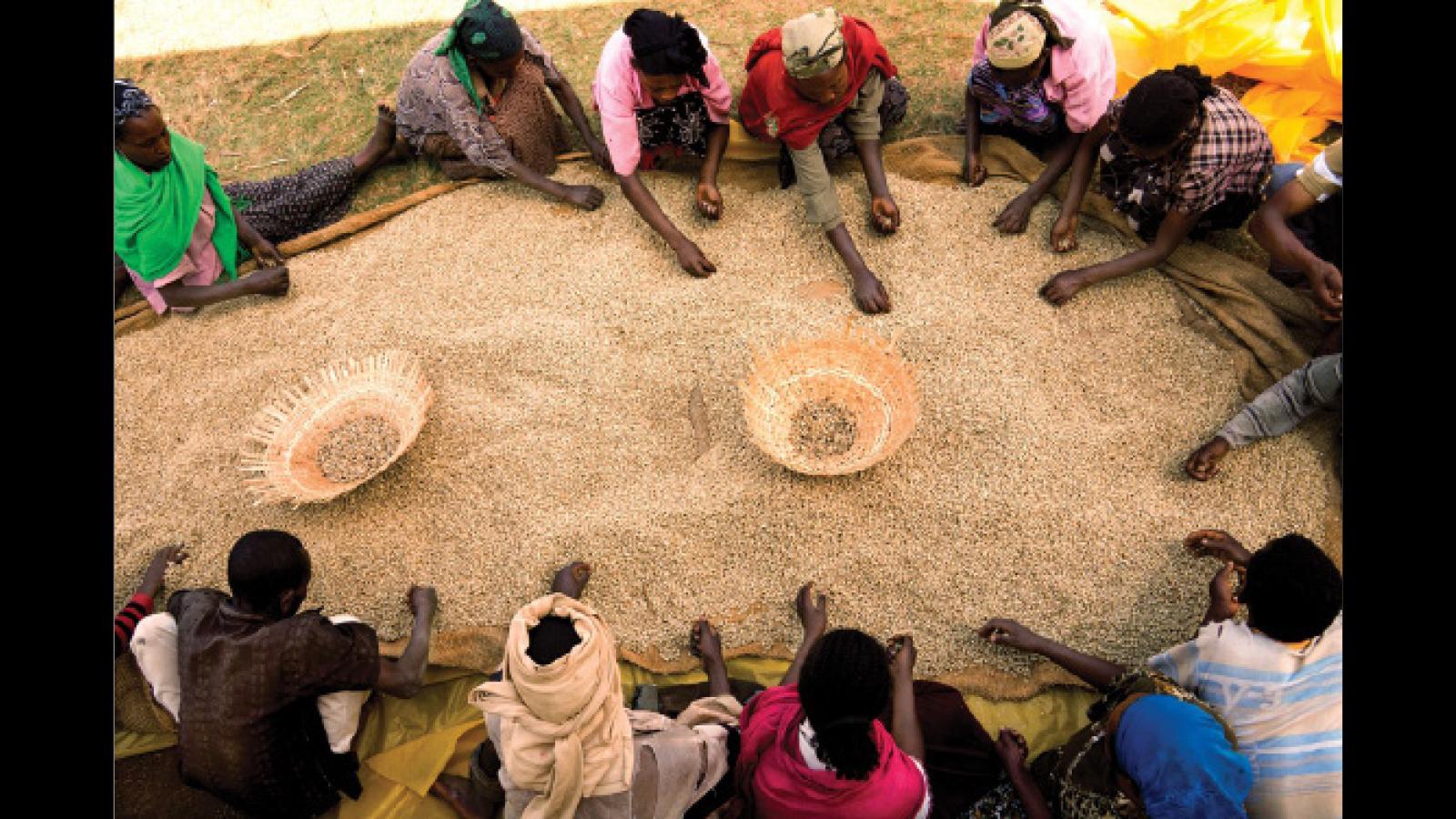
IN recent times, the traditional practice of nhimbe (a community collaborative approach of agricultural tasks) appeared to be teetering on the brink of extinction under the onslaught of modernisation.
And, fast forward to the country’s current push to achieve an upper middle income economy by 2030, the concept has resurfaced in the engine room of the village business units (VBUs) that Government introduced as a way of empowering rural communities through commercialised agricultural production.
VBUs thrive on the harmonious working together of villagers in a manner that literally replicates what nhimbes used to do. The only difference this time around is that the dollar sign also goads villagers into action because they produce crops for the market, predominantly with surplus and proceeds from sales taking care of food security matters.
It is an undeniable fact that the two concepts share similarities in their collective effort for community benefit, emphasising shared resources and labour to achieve common goals like food security and economic upliftment. The nhimbe concept, however, is a traditional socio-cultural practice focused on immediate community needs, while the VBU is a more modern, market-oriented approach aimed at commercialising rural enterprises to move beyond subsistence.
VBUs even look at expanding the scope of business once they start running profitably to generate incomes that can be ploughed back into the business. In essence, the two concepts promote the pooling of efforts, labour and in some cases, resources towards achieving a common goal.
Naturally, the primary aim for both concepts is communities, whether on the single family scale or larger economic enterprises. They ensure basic needs, particularly food security and income generation, are met for community members.
One glaring but endurable difference is that nhimbe is a traditional, socio-cultural practice rooted in indigenous knowledge, while the VBU is a more formal, transformative initiative focused on commercialisation and market production. And while nhimbe is usually flexible, event-inspired, VBUs come across as established units intended for organised, commercial enterprises.
This nhimbe concept seems to be weathering the storm of technological changes in agriculture, and increased urbanisation largely blamed for its seeming demise and is returning as a catalytic tool for economic empowerment of communities with its peace-building and conflict prevention roles coming in as added bonuses.
VBUs on the other hand, make widespread use of technological developments currently shaping the agricultural landscape, especially for market sourcing and global expectations on production practices and product quality recommendations.
One observation that cannot go unnoticed is the capacity of the VBUs and nhimbes to utilise locally available resources, which ordinarily would have been left lying idle or would not be exploited fully especially by individual community members. The concept of VBUs and nhimbe have brazen similarities that are easier to notice than miss.
The first observation is that they both thrive on resources mobilised locally in most cases, from suppliers of inputs to the person who provides transport to ferry the produce to the market after harvest. Both concepts are reputed for reducing the cost of doing business and creating job opportunities for locals on the one hand.
They also share several similarities, particularly in their emphasis on community, collaboration, and mutual support for one another.
It does not require rocket science to appreciate that by operating locally, VBUs and nhimbes tap into home-grown talent and takes residents away from vices that usually result from just being idle.
This is one way through which the two practices have easily become a way of addressing social ills that usually frustrate efforts to build socio-economically vibrant communities.
One thing that anyone cannot take away from both the nhimbe concept and VBUs is that they always have this knack of enhancing economic resilience by fostering self-sufficiency in communities and reducing dependence on external markets. They can empower communities through enabling them to make important decisions about resource use and development.
Interestingly, this feeds into the Second Republic’s decision to introduce the devolution principle of decentralising power and resource utilisation to the community level. The devolution concept advocates the allocation of resources more effectively at the local level, as is being demonstrated in the roll-out of VBUs whose success hinges mostly on the ‘local is lekker’ motto. They look externally mostly when they sell produce to more lucrative markets as dictated by the tenets of running successful businesses.
But the fact that both nhimbe and VBUs utilise and manage resources to meet community needs remains uncompromised. The participatory nature of nhimbe and VBUs demonstrates the devolution goal of involving communities in governance and resource management.
The two – nhimbes and VBUs – however, go beyond the mere idea of villagers working together to achieve milestones economically but also help build a strong social constituent in which the idea of sharing responsibilities and tasks fosters community bonding, conflict resolution, and the sharing of stories and jokes. This is a positive that comes pricelessly, but is critical strong and vibrant communities that always come together to assist distressed households with specific needs.
Of course, today, the nhimbe concept is also being revisited as a model for community-based development, extending beyond farming to other areas like infrastructure development and even repair. Villagers are coming together to work on vital pieces of infrastructure they need in their farming activities, for instance, maintenance of dip tanks and repairing of boreholes.
Before I sign off, I will explore a few attributes of VBUs that stand out as differences from the nhimbe concept. They are not a one-day event like nhimbes and provide platforms for rural communities to generate incomes and participate actively in the economy. They are initiatives to modernise and industrialise rural communities transforming them from subsistence to commercial activities.
And while both contribute to improved livelihoods, VBUs can significantly increase household incomes contributing to financial stability within rural communities. They allow the cultivation of diverse vegetables and other crops that help ensure nutritional security for participating households and the wider community.
They go the extra mile of climate-proofing agriculture, which nhimbes are incapable of doing. They are equipped with irrigation systems, greenhouses, and solar-powered boreholes for a reliable water supply with activities going beyond vegetable cultivation to include livestock, aquaculture (fish ponds), and fruit orchards.
VBUs are registered as private companies in a development that allows them to attract capital, cover operational costs, and ensure their commercial success. The villagers are both employees and shareholders, which creates a strong a sense of ownership and collective effort. For the nhimbe concept, it’s a matter of a day’s toil and communal gathering that disperses once the task at hand is finished and villagers have to wait for another dance on another day