Online Reporter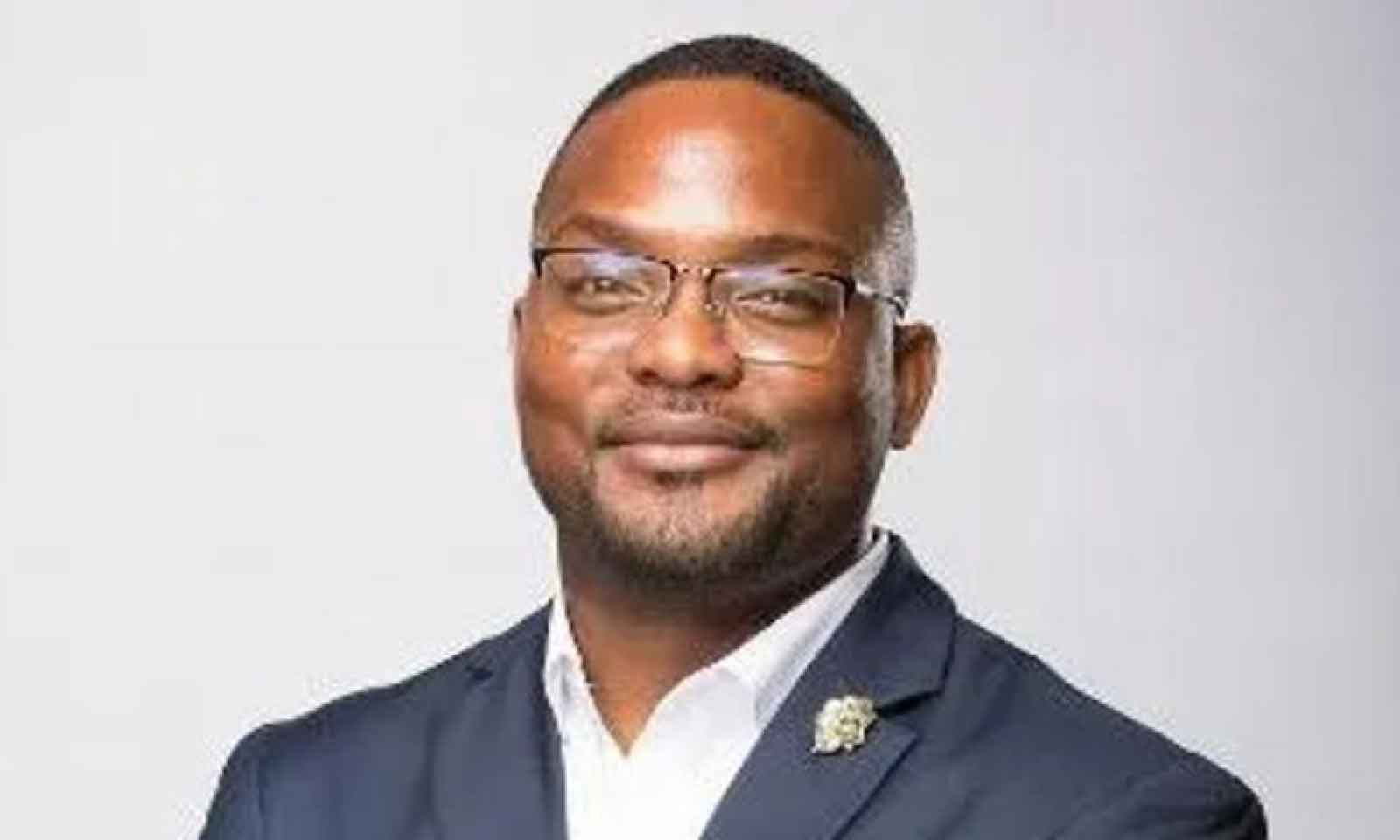
“This book moves the conversation from opinions about masculinity to outcomes of manhood,” said Dr Njabulo James Nkosi, author of “Father of Man: The 5 Ideals to Build Better Men”.
His words capture both the urgency and purpose behind a book that seeks to confront confusion and offer direction. At a time when masculinity is constantly debated, Nkosi’s focus is not on argument but on formation.
He is less concerned with how masculinity is described and more concerned with how men live, lead and build lives that strengthen families and communities.
“Masculinity is polarising,” Nkosi said.
“The gap is not a lack of opinions. It is a lack of outcomes. We are having loud conversations about masculinity, but we are living with quiet consequences. Absent fathers, father wounds, undisciplined men, boys who cannot locate their identity and families carrying the cost.”
For Nkosi, these outcomes are not abstract ideas. They are visible realities shaping homes, relationships and futures.
He believes the modern conversation often fails because it offers criticism without construction. “A lot of the debate swings between extremes,” he explained.
“On one side, masculinity is treated like a threat that must be restrained. On the other hand, it is turned into a theatre. Swagger, dominance and performative toughness. Neither produces better men. This book fills the gap in grounded formation. Not anger. No shame. Not ideology. Formation.”
Nkosi said that he wrote the book now because the need is urgent and personal.
“Men are exhausted. Many are tired of being told what is wrong with them, tired of being reduced to stereotypes and tired of not having a constructive path forward,” he said.
“The ripple effects are visible in marriages, in children, in workplaces and in communities. I refuse to watch another generation of men outsource responsibility to confusion. At some point, you stop complaining about the shortage of good men, and you start building them.”
At the centre of “Father of Man” are five ideals that Nkosi described as a compass for men seeking to become dependable.
“The five ideals are a practical compass for men who want to be dependable in every arena of life,” he said. “I arrived at them by watching what holds up under pressure.” His insights are drawn from leadership, mentoring and reflection.
“Over years of leading people, building teams, watching families, mentoring and reflecting on the kind of father that I had and the kind of father that I want to become, patterns emerged,” Nkosi explained.
“Certain qualities consistently separated men who were stable from men who were impressive but unsafe.”
He emphasised that the ideals are not about perfection but about pursuit.
“The ideals are not trendy. They are timeless. They are not slogans. They are standards. An ideal is something you may never fully reach, but it is still worth reaching for, because the pursuit shapes you,” he said.
Nkosi connects these ideals directly to the roles that men carry. “Children do not primarily need a man who is talented. They need a man who is consistent,” he said.
“They speak to partnership because love without discipline becomes selfishness. They speak to leadership because influence without integrity becomes manipulation. The point is not to create perfect men. The point is to create men who are reliable in private, not just respected in public. Men whose presence becomes a form of safety.”
Legacy, he argues, is not something men leave behind at death but something that they build every day. “A man’s legacy is not what people say at his funeral. It is what they lived through while he was alive,” Nkosi said.
He challenges men to take responsibility for breaking harmful cycles. “Even when a man has a weak example, he still has a choice. Repeat it, or redeem it. Every man carries a duty to end a cycle, not explain it.”
He added that responsibility begins with personal decisions. “Redefining legacy starts when a man stops asking, ‘What did I miss?’ and starts asking, ‘What do I refuse to pass on?’ Pain is not permission. Trauma is not a lifelong excuse,” he said.
“Someone is watching you become yourself. Your sons, your daughters, your family, your community. Legacy is built in the promises you keep and the discipline you practice when no one claps.”
Faith shapes much of Nkosi’s message. He references Malachi 4:6 as both warning and hope.
“He will turn the hearts of the fathers to their children, and the hearts of the children to their fathers. That is not just a verse. It is a mission,” he said. “God cares about restored family lines. He cares about healing what has been broken.” – IOL


 Bongani Ndlovu