Online Reporter
Joseph Madzimure
Zimpapers Politics Hub
THE proposed Constitutional Amendment No. 3 Bill, which seeks to extend the Presidential term of office by two years, is fully aligned with the Constitution of Zimbabwe and does not require a referendum, a constitutional expert has said.
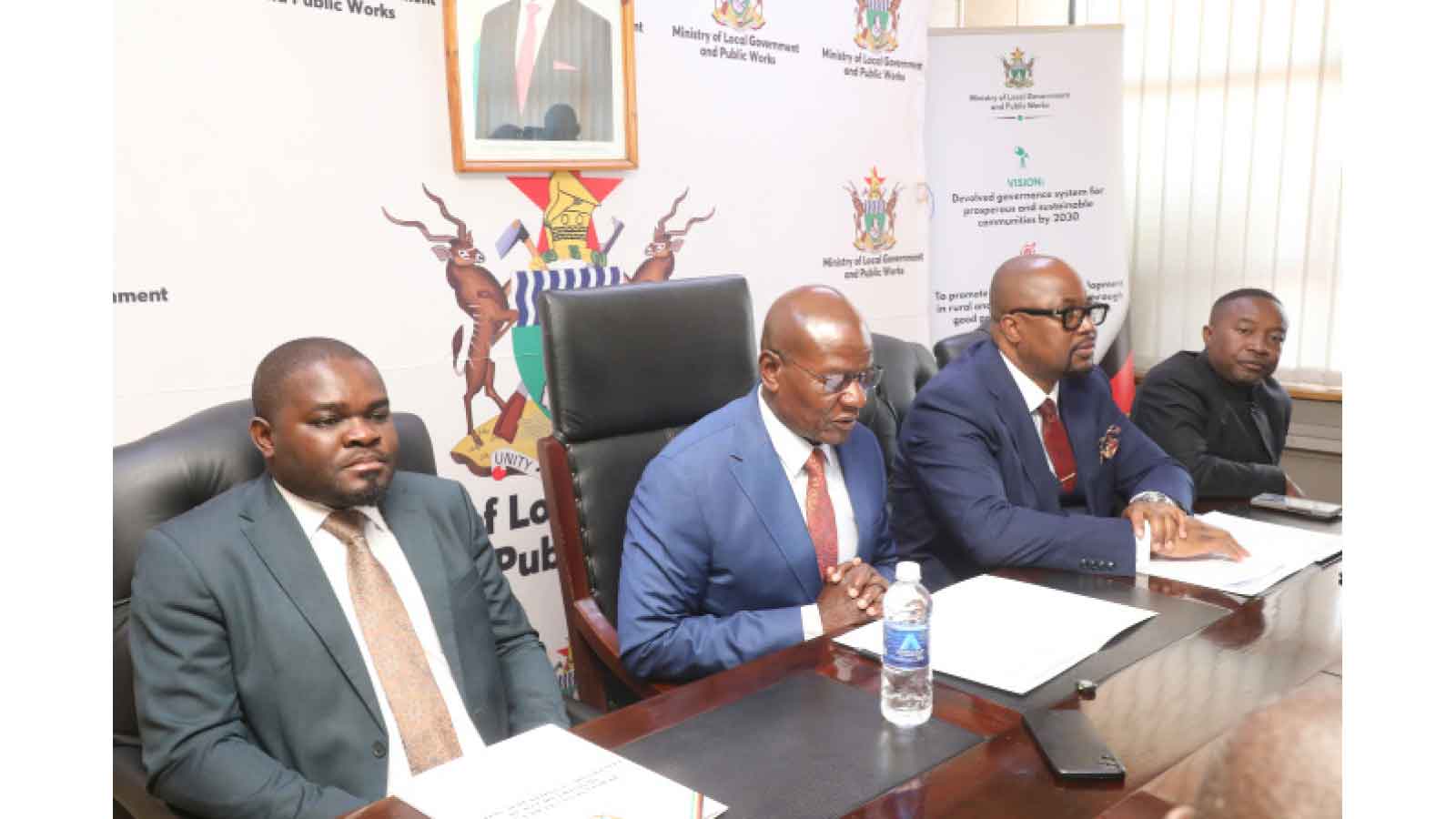
Speaking at a media briefing in Harare yesterday, Zanu PF Secretary for Mines and Mining Development and former Constitution Parliamentary select Committee (COPAC) co-chairperson Cde Paul Mangwana, dismissed claims by critics that the amendments required a referendum to be effected. COPAC drafted the current Constitution from 2009 to 2013
“I have listened to the debate which is going on publicly, and my position is very clear. The Constitution provides that whenever the people of Zimbabwe, through their Parliament, deem it fit to amend the Constitution, they can do so,” said Cde Mangwana.
“We were very clear when we wrote this Constitution to say which areas we want protected from amendment by Parliament. So when a law specifies areas which are preserved for amendment, it means that any other parts of the Constitution, which have not been protected, can be amended by Parliament using a two-thirds majority”.
He added that the proposed amendments do not require a referendum, contrary to assertions by some political activists. “I must emphasise, these proposed amendments do not require a referendum, the Constitution is very clear,” Cde Mangwana said.
He addressed concerns surrounding the extension of the Presidential term limit, explaining that a full term is defined as three years or more and any period shorter than that does not qualify as a new term.
“There are even some who are trying to take issue with the extension of the Presidential term limit. Several countries in the world have undertaken similar amendments.
“Simply put, the law states that a term limit is a period of more than three years. The proposed amendment extends the current term by another two years.
“If you want to amend beyond three years, that’s when you require a referendum. If it’s an amendment for a period of two years, you are not introducing a new term, so to speak. This is why we specifically made that provision in this Constitution,” Cde Mangwana said.
The proposed amendment is not merely a technical adjustment but a strategic move to ensure continuity and accelerate national development under the Second Republic.
The party’s Secretary for Information and Publicity, Cde Christopher Mutsvangwa, said the extension aligns with the resolution passed at the 21st Zanu PF Annual People’s Conference in Bulawayo, where the party mandated that President Mnangagwa should lead the country until 2030.
“As a party, we made a resolution that President Mnangagwa must be in charge until 2030, and the Government is responsible for the implementation of the resolution made at the conference,” he said.
Cde Mutsvangwa explained that the proposed amendment provides the stability and policy consistency necessary to drive Zimbabwe towards its vision of an empowered upper-middle-income economy by 2030.
“President Mnangagwa’s leadership has ushered in an era of economic renewal, infrastructure modernisation and international re-engagement. Extending his term allows for the uninterrupted implementation of transformative projects under the National Development Strategy and Vision 2030,” he said.
Extending President Mnangagwa’s term of office will ensure continued implementation of policies that have stabilised the economy, attracted investment and boosted agricultural and industrial production.
This will also ensure the completion of major infrastructure projects such as road rehabilitation, dam construction and power generation initiatives under programmes like the Emergency Road Rehabilitation Programme and the Second Republic’s flagship developments.
Cde Mutsvangwa noted that Zanu PF resolutions were formally submitted to the Government, which has since taken them to Parliament for consideration, reflecting the party’s commitment to constitutionalism and the rule of law.
“We are following due process. The people of Zimbabwe, through their elected representatives, will have their say. This is democracy in action,” he said.
Cde Mutsvangwa also called on Zimbabweans to rise above partisan emotions and focus on the broader national interest.
The proposed Constitutional Amendment No. 3 Bill now awaits parliamentary debate, where it is expected to garner the requisite two-thirds majority support to sail through.