Online Reporter
Precious Manomano
Herald Reporter
GOVERNMENT has assured citizens that no one will face starvation until the next harvest, in a strong affirmation of its commitment to food security
This declaration comes amid impressive agricultural gains and strategic interventions designed to boost the nation’s food supplies.
Currently, the Strategic Grain Reserve holds 133 115 tonnes of grain, a huge buffer against potential shortages. Furthermore, the Grain Marketing Board has established 1 804 mobile grain collection centres across all wards to facilitate grain deliveries.
These centres serve as crucial touchpoints for farmers, particularly those involved in the Presidential Input Scheme, allowing them to contribute 10 kg of grain per household. This initiative not only fosters community resilience but also supports the local Strategic Grain Reserve, ensuring that food is available where it is most needed.
This season has seen Zimbabwe achieve an impressive 3 292 172 tonnes of food crops, representing a remarkable 290 percent increase from last year’s output of 843 761 tonnes. The surge in agricultural production can be attributed to various Government initiatives aimed at enhancing food security and building resilience in the farming sector.
These efforts include improved access to resources, training in sustainable farming practices, and the provision of inputs necessary for successful crop production.
Lands, Agriculture, Fisheries, Water and Rural Development, permanent secretary Professor Obert Jiri emphasised the country’s preparedness stating that the nation is geared to combat hunger.
“We have a strategic grain reserve that supports communities facing food insecurity, alongside stocks held by private partners and farmers. Additionally, we have traditional grains and wheat stored.
This comprehensive approach is intended to ensure that vulnerable populations, including those in refugee camps, receive the support they need,”he said.
According to the Crop, Livestock, and Fisheries Assessment (CLAFA-2), total cereal production is projected at 2 928 206 tonnes, with maize production alone estimated at 2 293 556 tonnes, a sharp rise from last year’s 634 699 tonnes.
Traditional grains also witnessed remarkable growth, yielding 634 650 tonnes compared to 82 063 tonnes in the previous season.
This increase in production has not only improved food availability but has also reinforced the country’s commitment to self-sufficiency and food security.
In addition to cereals, other crops have also flourished this season. Groundnuts saw production rise to 84 565 tonnes from 4 971 tonnes, while roundnuts yielded 24 922 tonnes, up from 19 029 tonnes. Sweet potatoes are anticipated to reach 215 604 tonnes, a striking increase from 10 941 tonnes last year.
Despite the national food surplus, localised shortages persist in certain regions.
Information, Publicity and Broadcasting Services Minister Dr Jenfan Muswere on Tuesday noted that while the national food balance sheet indicated adequate grain supplies, localised shortages may still occur.
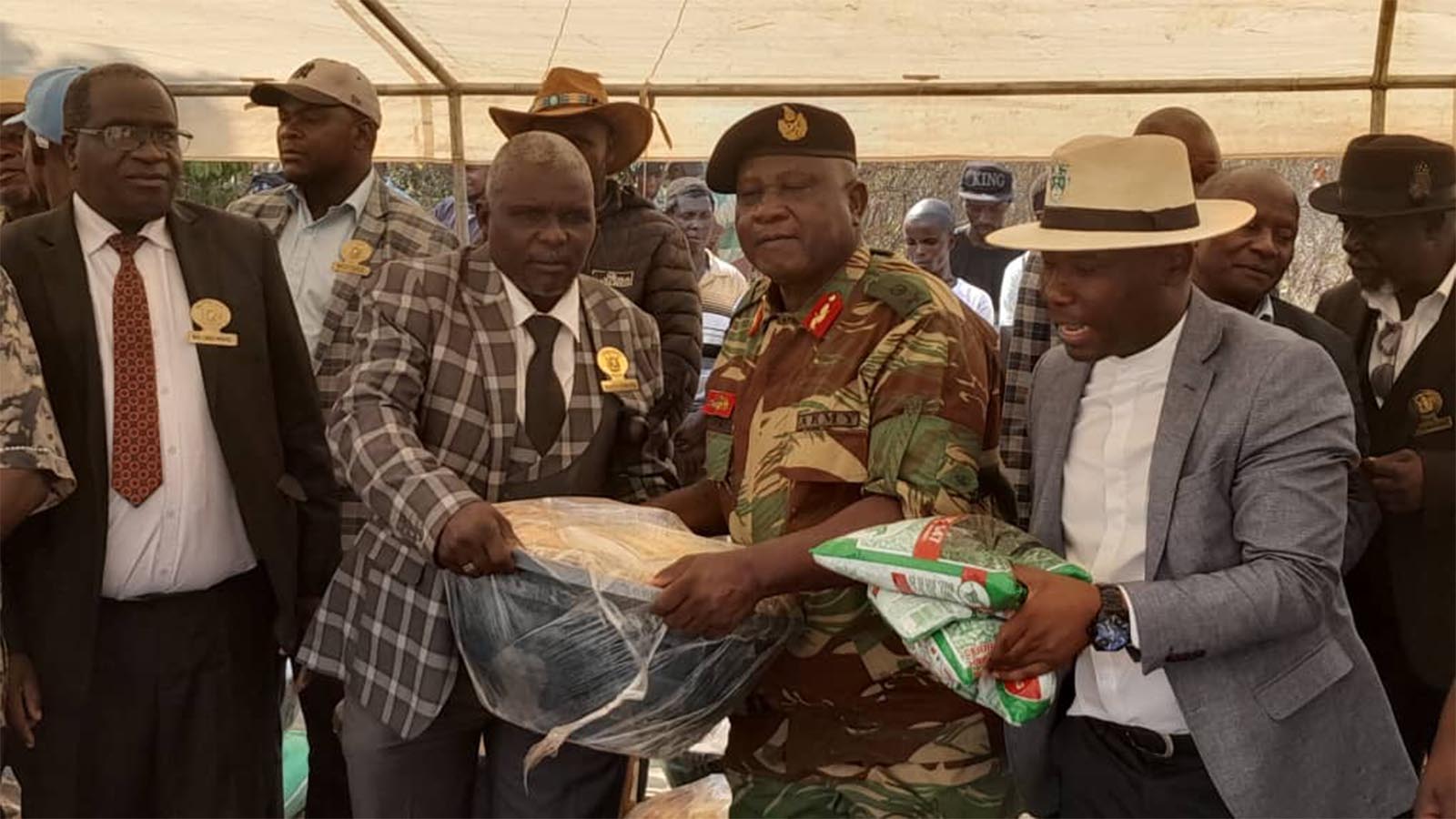
In response to these urgent needs, the Government has already distributed 30 tonnes of grain to the San Community in Tsholotsho, showcasing its commitment to addressing disparities in food access.
Local farmers remain optimistic about their grain stocks and the potential for increased production.
Mr Kelvin Mazarura from Mazowe indicated that this season is better than the previous year.
“The majority of farmers have good stock that will continue to sustain families.”
His confidence reflects the hard work and dedication of farmers across the nation, who have adapted to changing conditions and improved their agricultural practices.
Similarly, Mrs Thelma Magorimbo of Zvimba emphasised the need for scaling up production.
“Zvimba is always food secure. Measures to scale up production are, of course, welcome. In areas that are food insecure, farmers should aim to produce traditional grains which are drought-resistant,” she said.
Her insights emphasise the importance of tailoring agricultural practices to local conditions, enabling farmers to produce effectively despite environmental challenges.
The Government’s commitment to transforming agricultural systems aligns with its Vision 2030 to become an upper-middle-income economy, with food security seen as a cornerstone to that aspiration.
This transformation involves not only increasing production but also enhancing the overall agricultural framework to support sustainable practices.
Despite challenges from previous seasons, the current outlook is optimistic, bolstered by favourable weather conditions and strong Governmental support.