Online Reporter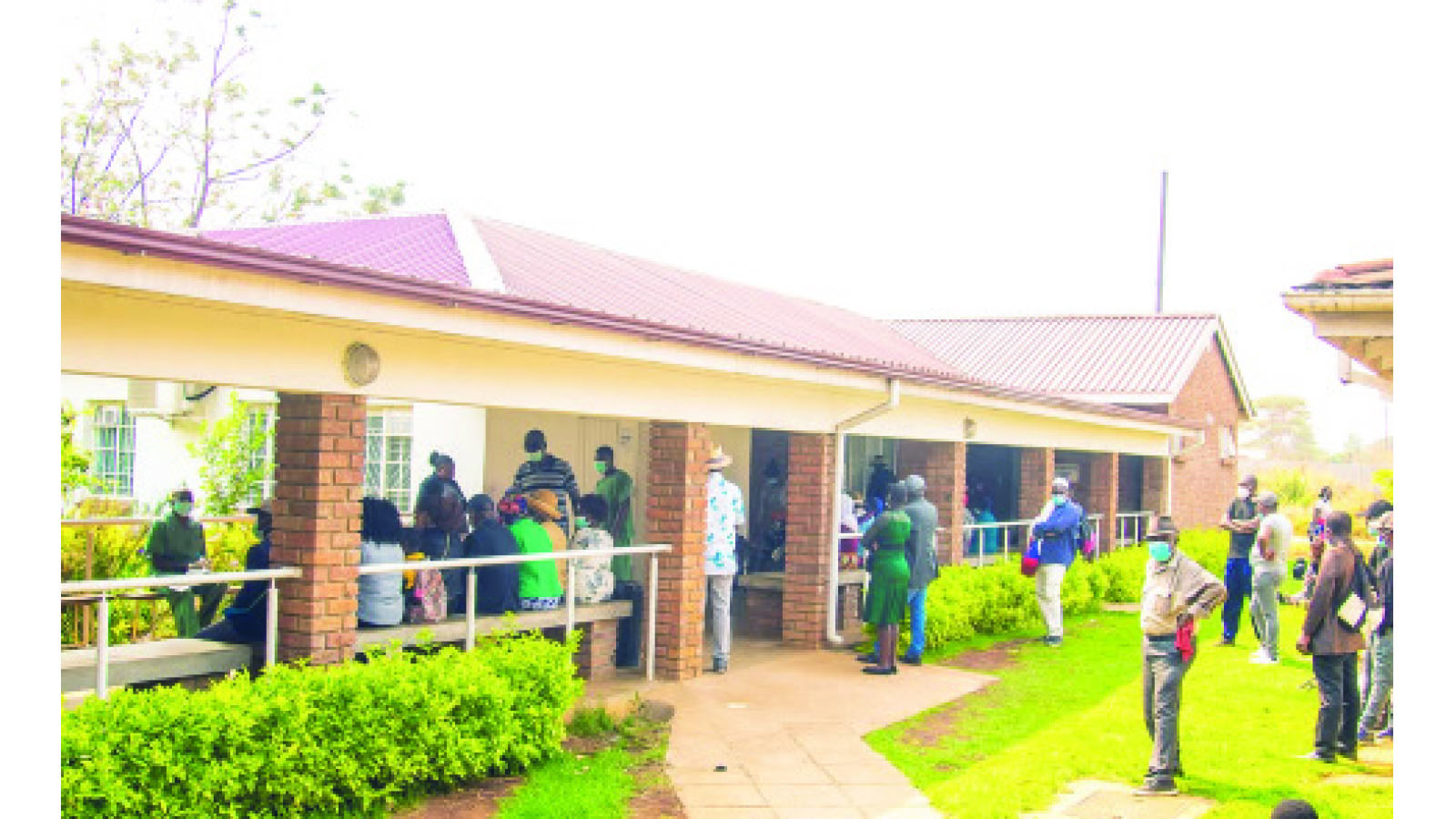
Rumbidzayi Zinyuke-Senior Health Reporter
When 58-year-old Mr Passmore Tsuro from Crowborough North, in Harare, first noticed his vision clouding, life began to shrink around him.
“Everything looked like smoke in my eyes. I could not see properly,” he recalled.
“I was advised by some to apply matamba (monkey orange fruit) and I was willing to try because not being able to see clearly is a huge burden.
“But before I could find the fruit, someone told me about Norton Eye Unit.
“Last year, I had an operation on my left eye, and since then, I have been seeing properly in that eye.
“Now I am back so that the right eye can also be fixed.
“Norton has been doing good work, and I am confident that my right eye will be corrected as well.”
Mr Tsuro’s story mirrors that of thousands of Zimbabweans who have found hope and healing at Norton Hospital’s Eye Unit, a specialised centre that has become one of the busiest hubs for cataract and glaucoma surgeries in the country.
According to the World Health Organisation (WHO), cataracts remain the leading cause of blindness in low — and middle-income countries, including Zimbabwe, accounting for more than half of all cases.
Estimates suggest that around 125 000 Zimbabweans are blind, while many more live with visual impairments that could be prevented or treated.
Common causes include cataracts, glaucoma, diabetic retinopathy and uncorrected refractive errors.
The country has between 60 000 and 100 000 people affected by cataracts and in need of surgery, but due to limited resources, the Government has not been able to reach them all.
Ideally, up to 40 000 cataract surgeries should be performed each year to clear the backlog.
Blindness has devastating consequences, not only limiting independence but also placing a heavy burden on families and communities.
Yet with timely interventions, up to 80 percent of visual impairment is preventable or treatable.
This is where the Norton Eye Unit has become a lifeline.
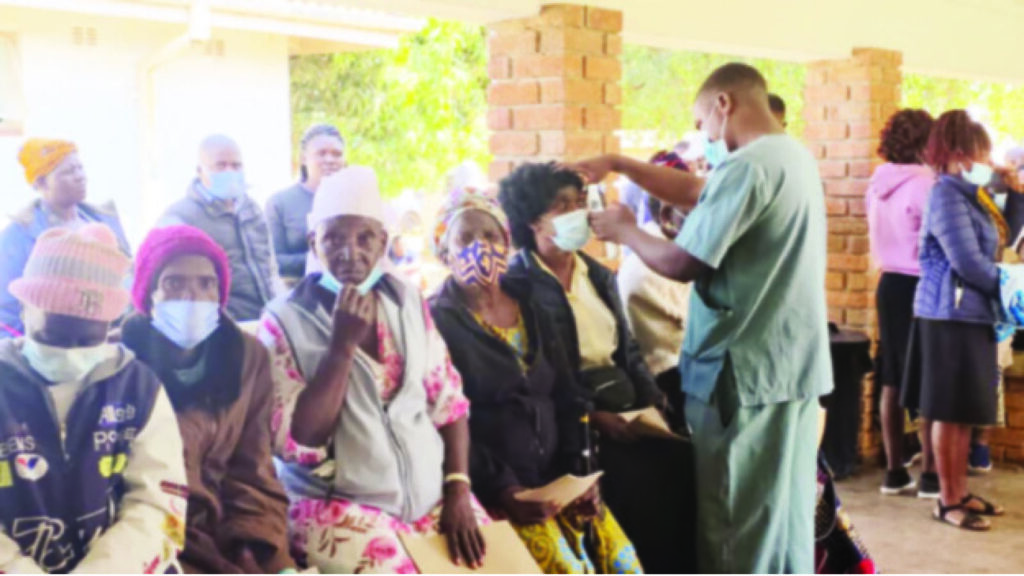
Some of the patients waiting to receive eye care services at Norton Eye Unit.
Housed within Norton Hospital and run under the Council for the Blind, the eye unit has steadily built a reputation for consistent, affordable and high-quality services.
Administrator Ms Grace Jegedeshe said the secret lay in the unit’s reliability and accessibility.
“The eye unit has been operating since 2011, and the number of people who have accessed care from that time has been increasing. We do consultations on eye health and surgeries on specific days — Tuesdays and Thursdays every other week. On average, we operate on about 60 cataract patients each week, and we also handle glaucoma and retinal laser surgeries for diabetes-related complications. The reason why we have this much traffic is due to consistency in providing our services,” she said.
On clinic days, she said the unit attended to between 120 and 150 patients.
Crucially, the centre offers services at costs far lower than many private facilities.
“Patients who come from other hospitals often tell us that when they compare prices, it is better to come here. Some even say they wish they could be operated on immediately because of how affordable it is,” Ms Jegedeshe said.
The stories behind the statistics also tell a story of the positive impact the unit has had on the ordinary citizen.
From Chirumhanzu, Mrs Elizabeth Zivanayi said poor vision had made it impossible for her to identify even simple shapes and objects.
“I found out that this hospital has a good eye unit from someone who got treated, and I believed I would also get the same joy. If they were able to treat that person, they could also treat me,” she said.
Mrs Eunice Chinamhora from Mkoba 10 in Gweru, also explained how her neighbour who was “almost going blind,” regained sight after surgery at the hospital.
“My next door neighbour had a problem with her eyes, she was almost blind and when she was operated on, she recovered fully. She advised me to come to Norton whilst my eyesight was still better. I believe that I will be able to see as soon as I get the operation,” she said.
The testimonies of each patient echo the ripple effect of restored sight.
One patient’s recovery inspires another, and whole communities begin to see hope in what once felt like inevitable blindness.
As part of the National Development Strategy 1 (NDS1) and Vision 2030, Government has prioritised universal access to health care under the principle of leaving no one and no place behind.
The strategy emphasises strengthening specialist services, decentralising health facilities, and addressing preventable conditions that limit productivity and quality of life.
Expanding access to eye care is directly linked to this vision, as restoring sight allows individuals to live independently, contribute economically, and participate fully in their communities.
By investing in units such as the one in Norton, Government and its partners are helping to reduce avoidable blindness while advancing national development goals.
Norton Hospital medical superintendent Dr Simbarashe Matanyaire said the hospital was adequately staffed with specialists from the Council for the Blind as well as an Ophthalmologist from the Ministry of Health and Child Care.
He said the impact of the work being done at the unit was visible nationwide.
“The Eye Unit sees patients from all over the country who come and get various services here. This is a good initiative which is improving the relationship we have with the communities and advancing the nation’s development goals,” he said.
Although the Norton Eye Unit has been operating for over a decade, demand for services continues to rise as Zimbabweans learn that blindness is not an unavoidable fate.
The unit is demonstrating that restoring sight is not just a medical procedure but an act of restoring dignity, independence, and economic productivity. It is a chance to return to the simple joys of life without relying on others.
And that hope is being renewed for thousands of Zimbabweans, one surgery at a time.