


 tawandamusarurwa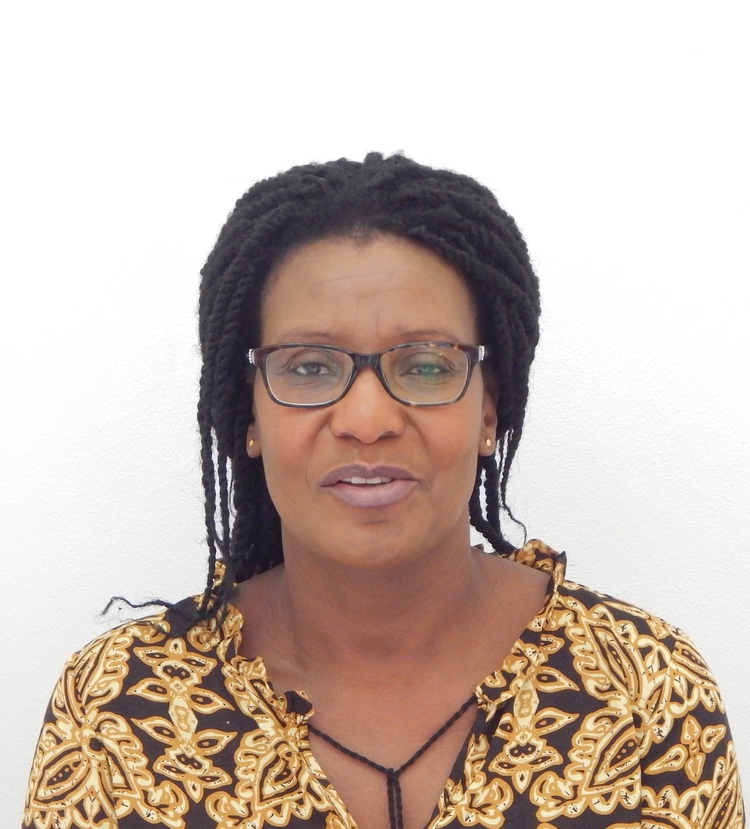
Disability Issues
Dr Christine Peta
ON June 9, 2021, President Mnangagwa launched the National Disability Policy, which asserts that not all disabilities are visible.
The reality is that some disabilities are visible and others are not. Epilepsy is acknowledged in the policy as an invisible disability.
This means the Government includes individuals with epilepsy among persons with disabilities. They are supported by the State through the Department of Disability Affairs in the Ministry of Public Service, Labour and Social Welfare, with the aim of enhancing the health and wellbeing of persons with disabilities and their families.
The department raises awareness on disability, including epilepsy.
This helps health workers to diagnose epilepsy, and other stakeholders to deliberate and take action on the availability of medicines. It also helps health staff to undertake relevant research that informs policy and practice, as well as enhance the health and social care response to epilepsy.
Epilepsy is a disorder where nerve cell activity in the brain is disturbed, causing seizures.
It affects people of all ages and may occur as a result of a genetic disorder or acquired brain injury such as a trauma or stroke.
During a seizure, a person experiences “abnormal” behaviour, symptoms and sensations, sometimes including loss of consciousness.
Epilepsy is often lifelong but can sometimes get better, slowly, over time. |It is usually treated with medication and in some cases by surgery, devices or dietary changes.
Symptoms of epilepsy
Seizures can affect people in different ways, depending on which part of the brain is involved.
Possible symptoms include:
uncontrollable jerking and shaking, called a “fit”
losing awareness and staring blankly into space
becoming stiff
strange sensations, such as a “rising” feeling in the tummy, unusual smells or tastes, and a tingling in your arms or legs
collapsing
Sometimes a person with epilepsy might pass out and may not remember what happened.
The social stigma attached to the condition in Africa results in persons with epilepsy and their families shying away from seeking medical attention.
Many people in Africa, including Zimbabwe, believe epilepsy is caused by witchcraft and sorcery, and that traditional treatments that take place privately in homes and communities are the only way to deal with the condition.
Stigma generates a hidden burden that discourages patients from seeking the diagnosis and care they need, to the detriment of their health and wellbeing.
The National Disability Policy recognises that medications that are assistive in nature, to enhance function and daily living of persons with epilepsy should be part of inclusive budgeting at both national and family levels.
The Department of Disability Affairs works closely with the Ministry of Health and Child Care, the Epilepsy Support Foundation Zimbabwe and the World Health Organisation, among other stakeholders, as it seeks to conduct research on epilepsy in Zimbabwe, so as to generate evidence that informs policy and practice.
The need for accurate and up-to-date statistics on persons with disabilities, including statistics on persons with epilepsy in the country and their locations, has also been identified.
Disability officers have been appointed in all the country’s 10 provinces and include persons with disabilities themselves, thus promoting the notion of inclusion in bringing services closer to the communities where people live.
The Ministry of Public Service, Labour and Social Welfare is also working closely with the Ministry of Health and Child Care to ensure adequate availability of medicines for epilepsy, and the provision of psychosocial support to patients and their families.
In addition, the Ministry of Public Service, Labour and Social Welfare offers the following services to persons with disabilities, including those with epilepsy, in all the 10 provinces of Zimbabwe and in both rural and urban areas: payment of vocational training fees, access to healthcare at public healthcare institutions through the Assisted Medical Treatment Order and provision of assistive technologies.
They are also offering economic empowerment loans; per capita and administration grants to residential institutions for persons with disabilities; payment of school fees for learners with disabilities through the Basic Education Assistance Module, from early childhood development to Advanced Level, including for learners in special schools; and payment of tertiary education fees for persons with disabilities enrolled in various learning institutions such as universities throughout the country.
Furthermore, the Ministry of Public Service, Labour and Social Welfare has social development offices in all the districts in the country.
Such district offices are the first port of call for persons with disabilities, including those with epilepsy, when they seek support.
Collaboration between the Department of Disability Affairs and the Epilepsy Support Foundation is contributing greatly towards pushing the national disability agenda forward.
Dr Christine Peta is a disability, policy, international development and research expert who is the national director of Disability Affairs in Zimbabwe. She can be contacted on: [email protected]



 Bongani Ndlovu
 Online Reporter