admin
adminAT Obel, a brand with a tender passion for engines, we are still pursuing relentlessly matters that affect the engine and the motor vehicle.
One such aspect is motor vehicle insurance. There are various insurance covers available in the country, including third party cover, which pays for only third party damages.
We also have comprehensive cover which pays for damages on all motor vehicles involved, despite the outcome.
This is a specialised and detailed area that needs experts: we recommend that you get an expert to advise you in this regard.
We have observed several complaints raised by both insurers and the insured. We have looked into the past issues that surround the accidents caused by commuter omnibuses – the kombis – and the general state of our roads.
But we have never focused on whether the victims of such accidents are indeed compensated.
One reader raised this question: Why should our cars be insured?
The reader also wanted to know about the various types of insurance cover available on the market.
Our survey established that there were recent tendencies which, in our view, might prejudice both the State and the insured.
In the past, all people involved in the insurance business were members of the Insurance Council of Zimbabwe.
This was aimed at ensuring that such people adhered to the code and practices as enunciated by the council.
But today in the insurance market, you have people selling insurance cover for motor vehicles for US$20 per term.
Has there been a change in the set-up and are the people members of the Insurance Council?
We have not verified whether you obtain a certificate for insurance with adequate terms and conditions for this US$20.
What we now believe is that this transaction only facilitates the acquisition of a vehicle licence disc.
Furthermore, how then is this levy and all the statutory levies paid to Government factored in when the correct amount for such cover is about US$30?
How will the individual companies account to Government for such revenue?
The law requires that all road users secure an insurance cover with the basic minimum for a third party cover and property.
This will ensure that, in the event of an accident, you are covered for the other vehicle and the passengers with whom you would have been involved in the accident.
Hence, in the tourism sector most clients insist that all vehicles be covered for a huge public passenger liability to cushion them against any accident.
This also goes for the public transport, such as kombis. But, invariably, this does not cover you if you damage your own vehicle in an accident.
Basically, you will find a third party cover inclusive of property damage and assume the limit being US$1 200 per incident.
There is also a comprehensive Insurance cover, which is not under the spotlight here.
Therefore, if you have an old vehicle which you keep only for its sentimental value, you may not need a comprehensive, but only third party cover.
Reverting to the issue raised of the US$20 cover being sold around town, does it really cover for everything that it purports to cover?
In view of the low interest rates in the bank, how many of such companies can raise enough cash to meet the accident claims, say, of about US$5 000?
In an incident last November, a kombi driver hit and injured Bobby Kanengoni, an eight-year-old boy in Chiweshe’s Chipoyera Township.
The accident was reported in terms of the Road Traffic Act and all necessary details noted.
The driver paid an admission of guilt fine.
Based on the understanding, an unwritten code generally among most of us Africans, on such occasions the kombi driver or the owner will normally assist the injured party, financially or otherwise.
The belief generally is to appease the aggrieved parties and make amends. That is the tradition, as we have observed it.
But in this particular case, the kombi driver was re-assigned and given a different route from Chiweshe.
There was therefore no contact with the family of the injured boy.
The boy was admitted at Parirenyatwa Hospital in November. But he was later transferred to Howard Mission Hospital after incurring bills in excess of US$2 000.
Cases such as this have given rise to questions about the adequacy of the current insurance covers of US$20, which we referred to.
In this and other incidents, are the injured parties in these accidents adequately compensated?
What follow-up procedures are in place for recourse?
The question is: Are the licencing officers checking to ensure that the purported insurance cover provides adequate intended benefits or is it purely peremptory?
We believe there are very good insurance companies in the country which offer reputable services, such as NicozDiamond, Eagle Insurance and many others.
At the same time, there are others which have mushroomed all over and are offering this shoddy kind of service.
There is need for the Insurance Council of Zimbabwe to look into this irregularity.
The danger will arise when one is making a claim in the firm belief that one has adequate insurance cover – which is then denied.
Shouldn’t there be a disclaimer, as was done recently by the Real Estate of Zimbabwe?
l Contact us through the above address or through G.Mbeya 0774215505.
PROUDLY ZIMBABWEAN.


Online Reporter
- Chronicle
- July 30, 2026
- 15 views
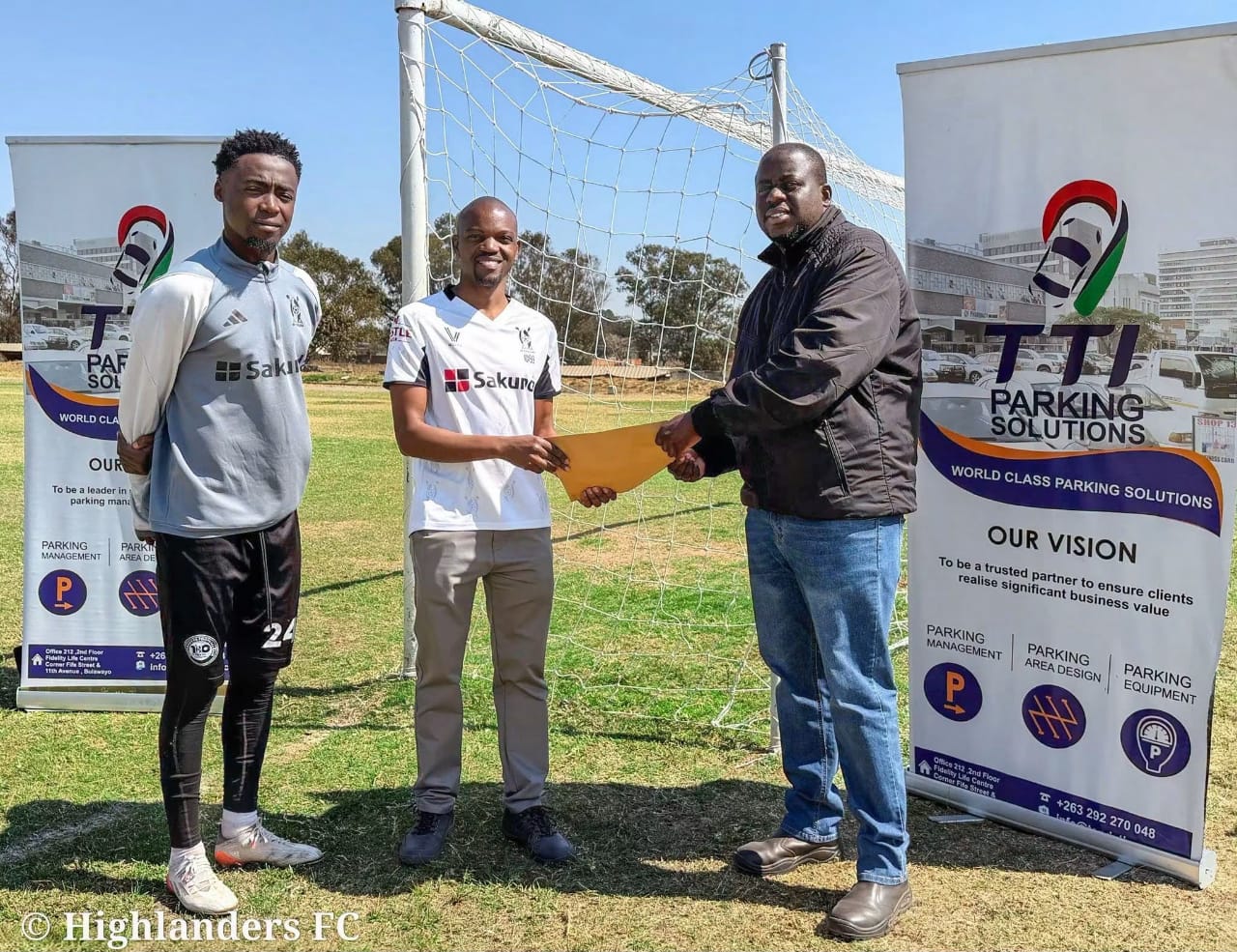
Trendy Three Investments lifts Bosso spirits with US$3 000 players’ donation
Nkosilathi Sibanda, [email protected] HIGHLANDERS players yesterday received a timely morale boost after Trendy Three Investments donated US$3 000 to the squad, a gesture that comes as the Bulawayo football giants…