admin
admin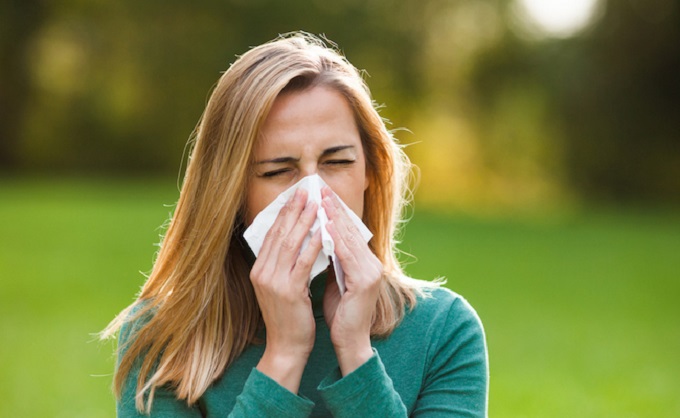
Andile Tshuma
Allergies are not snobbery as some people may think. There is nothing snobbish about being allergic to something. It is just a health condition like any other.
With the allergy season upon us as flowers are in bloom, most people find themselves sneezing, itching and scratching.
It is embarrassing to sneeze throughout a church service, in the office or at any public gathering.
It’s that time of the year again, when the pollen floats more prominently through the air into your lungs and manifests itself as itchy, scratchy, congested seasonal allergies. That usually means popping an antihistamine every day and trying to sleep through the night before starting all over again the next day.
Allergic reactions often manifest at this time in perennial sneezing episodes; itchy puffy eyes, skin irritations, runny tummies and a whole lot of other scarier reactions. Allergies can also be very costly, especially now that pharmacies across the country are demanding the hard to come by foreign currency for medication. So buying antihistamines can be very stressful for Zimbabweans who do not get much forex.
As I was just chatting with a colleague in the newsroom, we got to talking about the pollen season and how she has to fight with her son to keep him indoors as he suffers from hay fever, dust intolerance and their problems. He is asthmatic but with boys, you cannot make him sit at home, safe from pollen grains while other boys play.
She suffers from allergies herself, she reacts to dust and cannot stand strong perfumes and soaps, however she manages as an adult although she says it was terrible growing up with allergies in the ghetto.
A friend of mine from church a few weeks ago was also complaining about sinuses and how the beauty of purple jacaranda flowers meant trouble for her.
While most people celebrate spring and the blooming of the jacaranda trees, most people who are allergic dread the coming of the season as it means swollen, puffy eyes, skin irritation and they need antihistamines, in pill, cream and injection form.
The bad part of it all is when the people around you do not understand your condition. For most, people with allergies are ‘sissies’, they are not tough and are sicklings. I personally think it’s rather unfair and insensitive.
The fact is some people may abuse their conditions to avoid certain tasks that they can do and foods that they do not like, however there are genuine cases of people that really get terribly sick if they get into contact with substances that they react to.
Growing up in Tshabalala, I was in and out of hospital as I am asthmatic and have sinus problems. Due to my condition, I could not participate in certain sports at school and could not play in a dusty environment without some not so nice consequences.
I couldn’t participate in manual work at school such as slashing of grass as I had hay fever. Having to explain it to teachers and authorities was always a problem as it needed a doctor’s note to confirm it. I however still got the nasty comments about being snobbish. There is no snobbery in allergies. It’s a sickness and it is time that people learnt that allergies are not nice to live with.
We need enlightenment on how to live with allergies and how best to treat people with allergies. While some people may choose not to eat certain foods because they consider them unhealthy and make the choice of healthier foods, some people are forced to quit eating the foods that they love as it makes them sick.
Allergies are abnormal immune system reactions to substances that are typically harmless to most people. When a person is allergic to something, the immune system mistakenly believes that this substance is harming the body.
An allergy happens when the immune system overreacts to an allergen, treating it as an invader and trying to fight it off. This causes symptoms that can range from annoying to serious or even life-threatening.
In an attempt to protect the body, the immune system makes antibodies called immunoglobulin E (IgE).
These antibodies then cause certain cells to release chemicals (including histamine) into the bloodstream to fight the allergen “invader”.
It’s the release of these chemicals that causes allergic reactions. Reactions can affect the eyes, nose, throat, lungs, skin, and gastrointestinal tract. Future exposure to that same allergen will trigger this allergic response again.
The tendency to develop allergies is often hereditary, which means it can be passed down through genes from parents to their kids. But just because you, your partner, or one of your children might have allergies doesn’t mean that all of your kids will definitely get them. And someone usually doesn’t inherit a particular allergy, just the likelihood of having allergies.
Some kids have allergies even if no family member is allergic, and those who are allergic to one thing are likely to be allergic to others.
Some of the most common things people are allergic to are airborne (carried through the air) and include dust mites, pollen, pets, cockroaches, hay, and grass.
Some people, particularly children, also have what are called cross reactions. For example, children who are allergic to birch pollen might have symptoms when they eat an apple because that apple is made up of a protein similar to one in the pollen.
And for reasons that aren’t clear, people with a latex allergy (found in latex gloves and some kinds of hospital equipment) are more likely to be allergic to foods like kiwi, chestnuts, avocados, and bananas.
The type and severity of allergy symptoms vary from allergy to allergy and person to person. Allergies may show up as itchy eyes, sneezing, a stuffy nose, throat tightness, trouble breathing, vomiting, and even fainting or passing out.
People with severe allergies such as those to food, medicine, or insect venom can be at risk for a sudden, potentially life-threatening allergic reaction called anaphylaxis.
Anaphylaxis can happen just seconds after being exposed to an allergen or not until a few hours later if the reaction is from a food.
There’s no cure for allergies, but symptoms can be managed.
The best way to cope with them is to avoid the allergens. That means that parents must educate their kids early and often, not only about the allergy itself, but also about the reactions they can have if they consume or come into contact with the allergen.
Telling all caregivers such as childcare staff, teachers, family members, parents of your child’s friends, etc about your child’s allergy is also important.
If avoiding environmental allergens isn’t possible or doesn’t help, doctors might prescribe medicines, including antihistamines, eye drops, and nasal sprays. Many of these are sold over the counter.
It is not easy managing allergies but it is possible to lead an enjoyable life if the people around are supportive and understand the condition.
It is also wise to read around so that you get to know and understand your condition and avoid the sneezing, coughing and the puffy itchy eyes and perennial trips to the hospital, especially now with pharmacies demanding payment in foreign currency. — @andile-tshuma



 Online Reporter