Online Reporter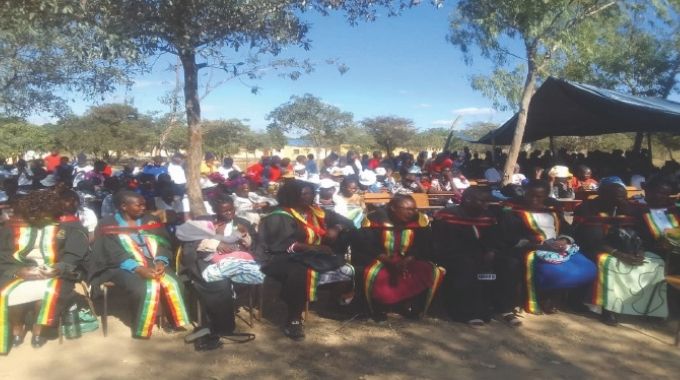
Nothando Zondo, [email protected]
FOR many years, life in Nswazi in Umzingwane district has moved at its own steady pace, with opportunities for young people often limited. Days would pass quietly, marked by routine, hard work and a constant hope that things might one day improve for the next generation. But recently, something different happened — something the community had never seen before. There was a shift in the air, a sense that history was quietly unfolding. For the first time since independence, Nswazi hosted its own graduation ceremony, bringing together families, leaders and young people in a moment that felt both new and important, a moment that many will remember for years to come.
The event marked the first graduation of youths who had been trained in life skills at the local Vocational Training Centre (VTC). It was not just about finishing courses — it was about opening doors. It was about giving young people a sense of direction and a reason to believe in their own potential. For the people of Nswazi, it was a clear sign that skills training and education are finally reaching their community, giving young people a chance to build better futures. For many, it felt like the beginning of real change, something they had been waiting for over many years.
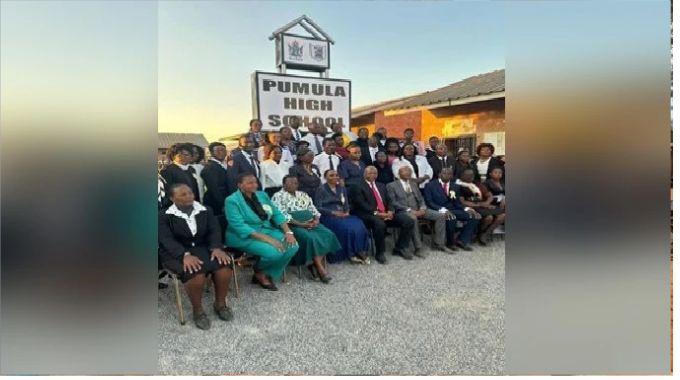
The ceremony was held at Nswazi High School and was led by Deputy Minister of Defence (Rtd) Brigadier General Levi Mayihlome, who is also the area’s Member of Parliament. His presence, along with other Government officials, drew people from Wards 6, 7, 8, 12, 13 and 20, turning the day into a gathering for the whole community. People travelled from near and far, some on foot, others by vehicle, all coming together to witness an event that carried great meaning for the area.
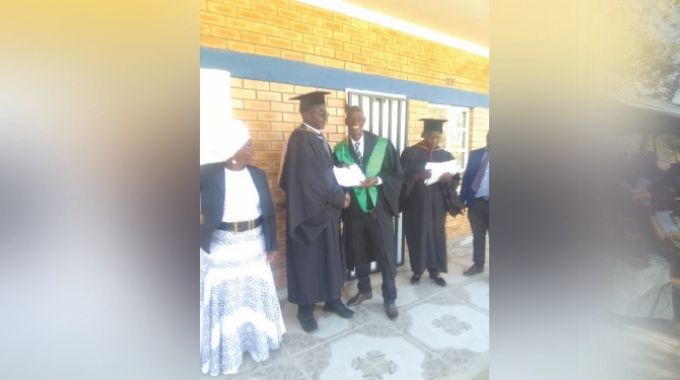
When he addressed the graduates, Brig Gen Mayihlome kept his message clear and direct, reminding them of the value of what they had achieved.
“Your certificate is armour against poverty, idleness and drugs,” he said.
In a place where jobs can be hard to find, his words struck a chord. Many of those listening understood exactly what he meant. He encouraged the graduates to make full use of the skills they had learned in areas such as hotel and catering, mortuary services, beauty and therapy, driving, Early Childhood Development (ECD), and detergent making. These, he said, are not just subjects, but tools that can help them earn a living and create a path for themselves.
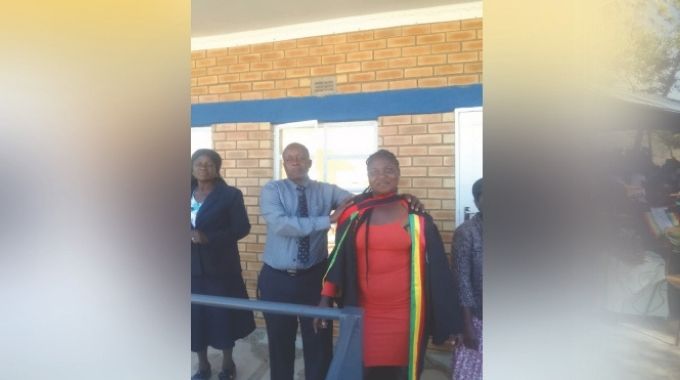
“The skills you have today must help you build your future and strengthen your community,” he said.
The atmosphere on the day said everything. The school grounds were filled with energy as families gathered to celebrate. There was laughter, conversation and a strong sense of unity. Graduates, dressed in blue and white gowns, posed for pictures and shared the moment with parents, siblings and neighbours. You could see pride in the faces of families, many of whom had never experienced a graduation like this before. For some, it was the first time they had seen one of their own reach such a milestone.
Ward 6 community leader Mr Gift Dube described the occasion as something far bigger than just a ceremony. His words captured what many people were feeling.
“For the first time since independence, Nswazi hosted its own graduation ceremony. This was a historic moment for our communities,” said Mr Dube.
For many families, the day carried even deeper meaning. Some of the graduates were the first in their households to gain a recognised qualification, making the moment personal as well as collective. It was not just about one person succeeding, but about an entire family feeling the impact of that success.
“For many households, this was the first graduate in the family. It was a celebration of hope and opportunity,” he said.
Mr Dube said the importance of such achievements goes beyond individual success. He pointed out that skills training can help tackle some of the problems affecting rural areas, including unemployment and drug abuse. In many communities, a lack of opportunities often leads young people down difficult paths, but training offers a different direction.
“These certificates show dignity and determination. Skills training is one of the strongest weapons against unemployment and drug abuse,” he said.
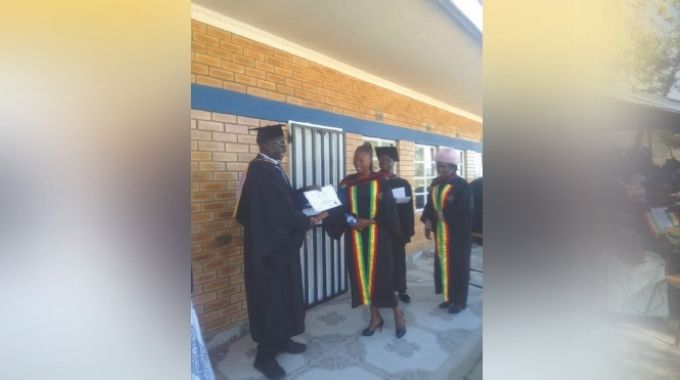
His words reflected what many in the crowd were already feeling—that this was not the end of a journey, but the start of something new. There was a growing belief that more young people could follow the same path, and that the community itself could become stronger as a result.
Local businessman Mr Khulisani Nkomo also encouraged the graduates to think ahead and use what they have learned to start their own businesses. He said the community needs young people who can create jobs and contribute to local development. He spoke with confidence about what the future could look like if the graduates take their skills seriously.
“The success of this graduation shows what we can achieve when we invest in education and skills. Our young people are now ready to become employers and community builders,” he said.
Residents who attended the event said it was a clear sign that vocational training is starting to take root in rural communities like Nswazi. For a long time, such opportunities seemed far away, something only available in towns and cities, but now they are becoming a reality. This shift has brought new hope, especially for young people who no longer have to leave their community to gain important skills.
As the ceremony came to an end and people slowly made their way home, there was a strong feeling that something had changed. Conversations continued long after the speeches ended, with families reflecting on what they had witnessed. The certificates mattered, but what mattered even more was what they represented — a chance for young people to do something with their lives, and for the community to grow with them.
For many who were there, it was a day of pride, but also a day of hope. It showed that even in rural areas, progress is possible, and that with the right opportunities, young people can take the lead in shaping a better future. It was a reminder that change does not always come quickly, but when it arrives, it can bring with it a renewed sense of purpose and belief.
And as Nswazi looks ahead, there is a quiet confidence that this will not be the last graduation, but the beginning of many more to come.