Online Reporter
Chronicle Writer
THE Zimbabwe Prisons and Correctional Service (ZPCS) in Matabeleland South recently held belated Culture Day celebrations at Gwanda Farm Prison in Mopane, bringing together inmates, officers and the wider community in an event that highlighted the importance of culture, unity and rehabilitation.
Although the celebrations were held later than usual, the atmosphere on Wednesday was lively and meaningful, with participants fully embracing this year’s theme, “Advancing Vision 2030 through Cultural Expressions”. The day was not only about performance and tradition, but also about reminding everyone — both inside and outside the prison — of the role culture plays in shaping identity and building a better future.
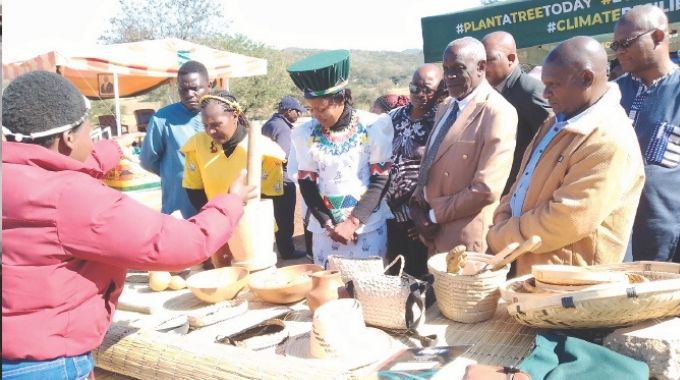
The event drew a wide range of stakeholders, including Government departments, local businesses, arts groups and community organisations. Among those present were representatives from Gwanda Arts and Culture Centre, the Zimbabwe National Family Planning Council, the National AIDS Council, the ZRP Women Network and Moonlight Funeral Assurance. Their presence reflected strong support for rehabilitation programmes within correctional facilities and showed that the prison is not isolated from the community, but part of it.
Addressing the gathering, ZPCS Matabeleland South Deputy Officer Commanding, Assistant Commissioner Jabulile Mathema, stressed the importance of culture in national development and rehabilitation efforts. She said it was important for both inmates and prison officers to take part in programmes that promote Zimbabwe’s cultural heritage and values.
“As part of the community, inmates and officers must join programmes that build our cultural heritage,” she said.
Her message was simple and clear — that culture should not be forgotten, even in correctional settings. She added that events like Culture Day help people reflect on their identity as Zimbabweans and understand their place in the country’s development plans.
“This day reminds us of who we are as Zimbabweans. It also supports Vision 2030, which says no one and no place must be left behind.”
Assistant Commissioner Mathema also noted that similar Culture Day celebrations were held at other correctional institutions across the province, ensuring that inmates everywhere are included in national programmes. This, she said, helps to promote a sense of belonging and encourages inmates to stay connected to their roots.
The presence of traditional leadership also added weight to the occasion. Chief Nhlamba of Gwanda South, who attended the event with his spouse, used the platform to stress the importance of preserving culture and values, especially among young people. He warned that drug and substance abuse is slowly destroying the moral fabric of society and eroding traditional values.
“Our culture is our identity. We cannot allow drugs to destroy it. Young people are forgetting Ubuntu and the values that keep our communities together. As leaders we must act now to protect our heritage and save the next generation,” said Chief Nhlamba.
His remarks struck a strong chord, especially in a time when communities are grappling with rising cases of drug abuse among youths. He reminded those present that culture is not just about dance, dress or language, but also about respect, discipline and unity. Without these values, he warned, communities risk losing what defines them.
Chief Nhlamba also took a moment to share a brief history of the area, explaining that Gwanda was first settled by the Jahunda people many years ago. This reminder of the past helped connect the day’s celebrations to a deeper sense of history and belonging.
Also speaking at the event, National Arts Council provincial coordinator Mr Percy Vela commended ZPCS for its continued support of arts and culture, particularly within correctional facilities. He said involving inmates in such programmes is a positive step towards rehabilitation and reintegration into society.
“Their involvement shows commitment to rehabilitation and reintegration through culture,” Mr Vela said.
He added that ZPCS has been actively involved in cultural events in the province, including the 2026 Chibuku Neshamwari competitions held earlier in May at Colleen Bawn. Such participation, he said, shows that the organisation recognises the value of arts in rebuilding lives.
The event also had a humanitarian touch. The ZRP Women Network, led by provincial chairperson Chief Superintendent Bekezela Ndlovu, donated toiletries and winter clothing to children who are living with their mothers at Gwanda Prison. The donation was warmly received and is expected to help ease some of the daily challenges faced by these children.
This gesture also highlighted the strong working relationship between different arms of the security services, showing that collaboration goes beyond official duties and extends into community support and welfare.
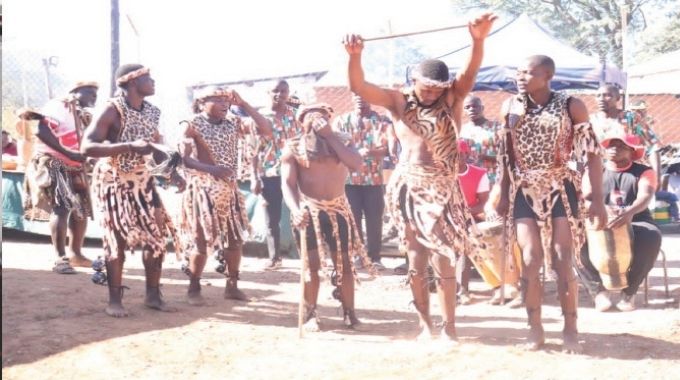
One of the most engaging parts of the day came from the inmates themselves, who took to the stage to perform traditional dances. Their performances brought energy and life to the event, drawing applause from the audience and reminding everyone of the power of art to bring people together.
In addition, poet Lerato Ndlovu, popularly known as “Nqindi”, also performed, adding another layer of creativity and expression to the celebrations. The performances reflected a rich cultural heritage and gave inmates a platform to express themselves in a positive and meaningful way.
Speaking after the event, some inmates shared how important such programmes are to them. One of them, 28-year-old Luckson Moyo, who is serving a 40-month sentence, said the celebrations help inmates stay connected to their roots and prepare for life after prison.
“These events help us keep our culture and prepare us for life after prison,” he said.
Another inmate, Bernard Dube, 29, said he has developed a passion for traditional dance and music while serving his sentence. He revealed that he has written several songs and hopes to continue with his talent once he is released.
“I am ready to join cultural groups when I get out,” Dube said.
His words reflected hope and a desire to reintegrate into society, something that rehabilitation programmes aim to achieve.
According to ZPCS, such cultural celebrations are held at all correctional stations across the province as part of broader rehabilitation efforts. These programmes are designed to promote cultural pride, dignity and unity, while also encouraging inmates to respect human rights, act responsibly and prepare for their return to society.
In the end, the Culture Day celebrations at Gwanda Farm Prison were about more than just performances and speeches.
They were about connection — between inmates and their culture, between the prison and the community, and between the past and the future. Most importantly, they showed that even within correctional systems, there is room for growth, learning and hope.