


 Sundaymail Editor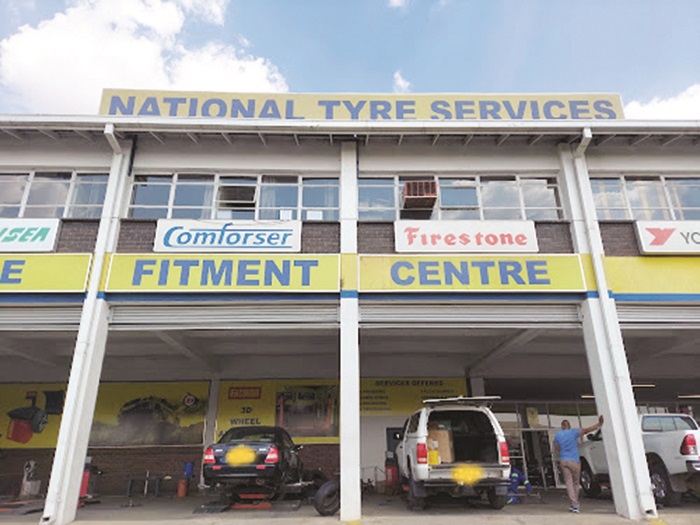
Business Reporter
Zimbabwe Stock Exchange-listed National Tyre Services (NTS) says it will leverage on new import regulations on the suspension of duty on commercial tyres and payment of duty on related products in foreign currency to gain an increased market share.
NTS’ business entails retailing and retreading of tyres, wheel alignment, wheel balancing and related services. The company has 16 retail outlets across the country, with five of these in the capital, Harare.
In a statement of financials for the year ended September 30, 2022, company chairperson Mr Rutenhuro Moyo said the firm would also capitalise on the current farming season demand for tyres and tubes, complemented by the festive season demand, to grow sales.
“We remain confident that measures being implemented by the Government will maintain current exchange rate stability and continue to reduce inflation to enable full business recovery,” he said.
During the year under review, sales grew by 12 percent to $1,885 billion from $1,651 billion in 2021 due to the continued implementation of the turnaround strategy.
Gross profit increased by 45 percent to $1,147 billion, while total operating expenses increased by 33 percent to $1,137 billion due to cost-cutting measures implemented by management in a bid to better manage cash flows.
Mr Moyo said the company’s premium tyre sales volume grew by 26 percent during the opening six months of the year compared to the same period the previous year due to strong supplier relations.
“The company managed to retain customers through improved premium Dunlop stocks required in the market,” he said.
However, he noted, the business continued to be affected by power outages and inadequate foreign currency required to import budget tyres from China and India to meet market demand.
Mr Moyo said power outages due to depressed electricity generation in the country negatively affected retreading activities in the first half of the year.
He said factory efficiency decreased, with tyre volumes falling by 16 percent when compared to the same period the previous year.
“Although power cuts were severe, the company managed to keep retreading factories running to support transport operators in the economy,” he said.
The company said it could not declare a dividend to ensure adequate service delivery for long-term sustaina- bility.



 Bongani Ndlovu
 Online Reporter