Online Reporter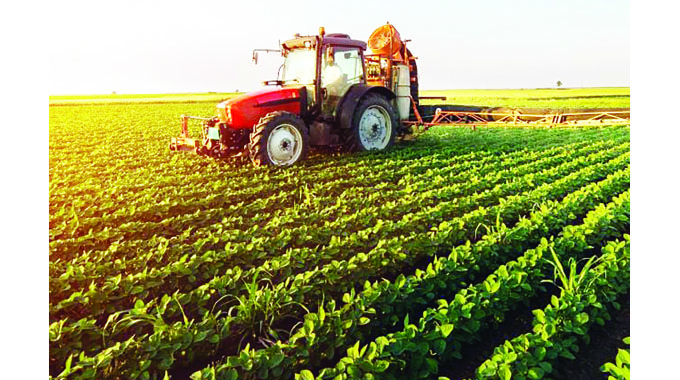
Marilyn Mutize
Herald Correspondent
The recent launch of a new agricultural science programme by the National University of Sciences and Technology (NUST) marks a significant milestone in Zimbabwe’s quest to modernise its agricultural sector.
As the world faces increasingly complex challenges, such as food security, climate change, and technological advancement, this programme provides a critical opportunity for Zimbabwe to reshape its agricultural landscape.
By focusing on enhancing agricultural productivity, sustainability and innovation, this initiative can have a far-reaching impact on the country’s economy, rural development, generation of skilled agricultural professionals and overall food security.
Agriculture remains a cornerstone of Zimbabwe’s economy, providing employment to millions and contributing significantly to the GDP.
However, traditional farming practices have often struggled to keep pace with the growing demands of a population of over 240 million people.
With the adoption of modern agricultural technologies, such as precision farming, data analytics and advanced crop management techniques, the NUST programme promises to enhance agricultural productivity.
These technologies allow for more efficient use of resources, improved crop yields and optimised farming practices, enabling farmers to do more with less which is an essential factor as national demand for food continues to rise.
The introduction of innovative agricultural practices and technologies is pivotal in addressing food security challenges.
By focusing on enhancing productivity and ensuring that food is produced in a sustainable manner, the new programme offers a pathway to long-term food security for the country. Increased crop yields, efficient water use and reduced dependency on harmful chemicals is essential for ensuring that food production keeps up with demand while maintaining healthy ecosystems.
Through this programme, NUST has the potential to not only educate the next generation of farmers but also create a ripple effect across communities, leading to healthier diets and improved livelihoods for millions.
Agriculture is one of the most significant contributors to environmental degradation, particularly in terms of soil depletion, water scarcity and pesticide overuse.
However, modern agricultural technologies have the potential to mitigate these environmental challenges.
The NUST programme aims to promote sustainable farming practices that reduce water consumption, minimise pesticide usage and enhance soil health.
Moreover, by adopting climate-resilient crops and farming methods, the programme can play a crucial role in helping Zimbabwe’s agricultural sector adapt to the adverse effects of climate change.
A more sustainable agricultural system is not only beneficial for the environment but also for farmers, ensuring that their land remains productive for generations to come.
For instance, drone technology can be used to precisely apply fertilisers and pesticides, reducing waste and environmental pollution.
This initiative by NUST is a significant step towards fostering a culture of innovation in Zimbabwe’s agricultural sector.
Zimbabwe can foster innovation in agricultural technology, providing students with the knowledge and tools to explore new ways to improve farming methods and boost efficiency.
This could lead to the creation of agricultural technology start-ups, research breakthroughs and the commercialisation of novel agricultural solutions.
By encouraging students to think outside the box and engage in technological development, NUST is helping to position Zimbabwe as a leader in agricultural innovation.
The broader economic impacts of this innovation could extend beyond food production to include the growth of new industries and the creation of high technological jobs, further stimulating the economy.
A critical component of the NUST agricultural science programme is its focus on training and skills development.
For advanced technologies to be successfully implemented, there needs to be a skilled workforce capable of operating, managing and innovating within this space.
Henceforth, providing students and professionals with the knowledge and hands-on experience needed to drive technological adoption, NUST is ensuring that the country has a workforce ready to meet the demands of modern agriculture.
This will ultimately lead to greater efficiency and productivity in the sector, as well as the creation of new career opportunities for young people.
Zimbabwe’s rural areas, which are heavily dependent on agriculture, stand to benefit immensely from this programme. Modernising agriculture through the adoption of new technologies result in job creation and improved livelihoods for rural population.
As agricultural productivity increases, so will the economic development of these areas.
This programme fosters entrepreneurship, creating supply chains for agricultural products and offering new avenues for income. It also promotes inclusive growth by ensuring that the benefits of technological advancement are accessible to all farmers, particularly those in remote or under-served regions.
Another significant benefit of the NUST agricultural science programme is its potential to attract local and international research collaborations.
Universities play a pivotal role in the advancement of science and technology.
NUST’s focus on agriculture positions the institution as a hub for ground-breaking research.
Forging partnerships with international universities, research institutions and private sector players, NUST facilitates the exchange of knowledge, funding and expertise.
This collaborative environment encourages the development and adoption of innovative agricultural solutions, further strengthening Zimbabwe’s position in the global agricultural technology landscape.
Finally, launching this programme, NUST has the potential to influence agricultural policies at the national level.
As a prestigious institution, NUST plays a crucial role in advising policymakers on best practices and ensuring that Government policies align with technological advancements.
By shaping the policy environment around modern agriculture, NUST can help create a supportive ecosystem for innovation and sustainable farming.
This could lead to more favourable Government incentives for farmers, such as subsidies for adopting new technologies, as well as broader efforts to ensure food security and environmental protection.
The new agricultural science programme presents a transformative opportunity for the country’s agricultural sector.
By fostering innovation, improving food security, promoting sustainability and creating a skilled workforce, the university is laying the foundation for a more resilient, productive and environmentally responsible agricultural future.
This initiative has the potential not only to benefit the agricultural sector but also to stimulate broader economic growth, especially in rural areas.
As the country continues to face the dual challenges of food security and environmental sustainability, programmes like the one launched by NUST are critical in charting a path towards a more prosperous and food-secure future.