Online Reporter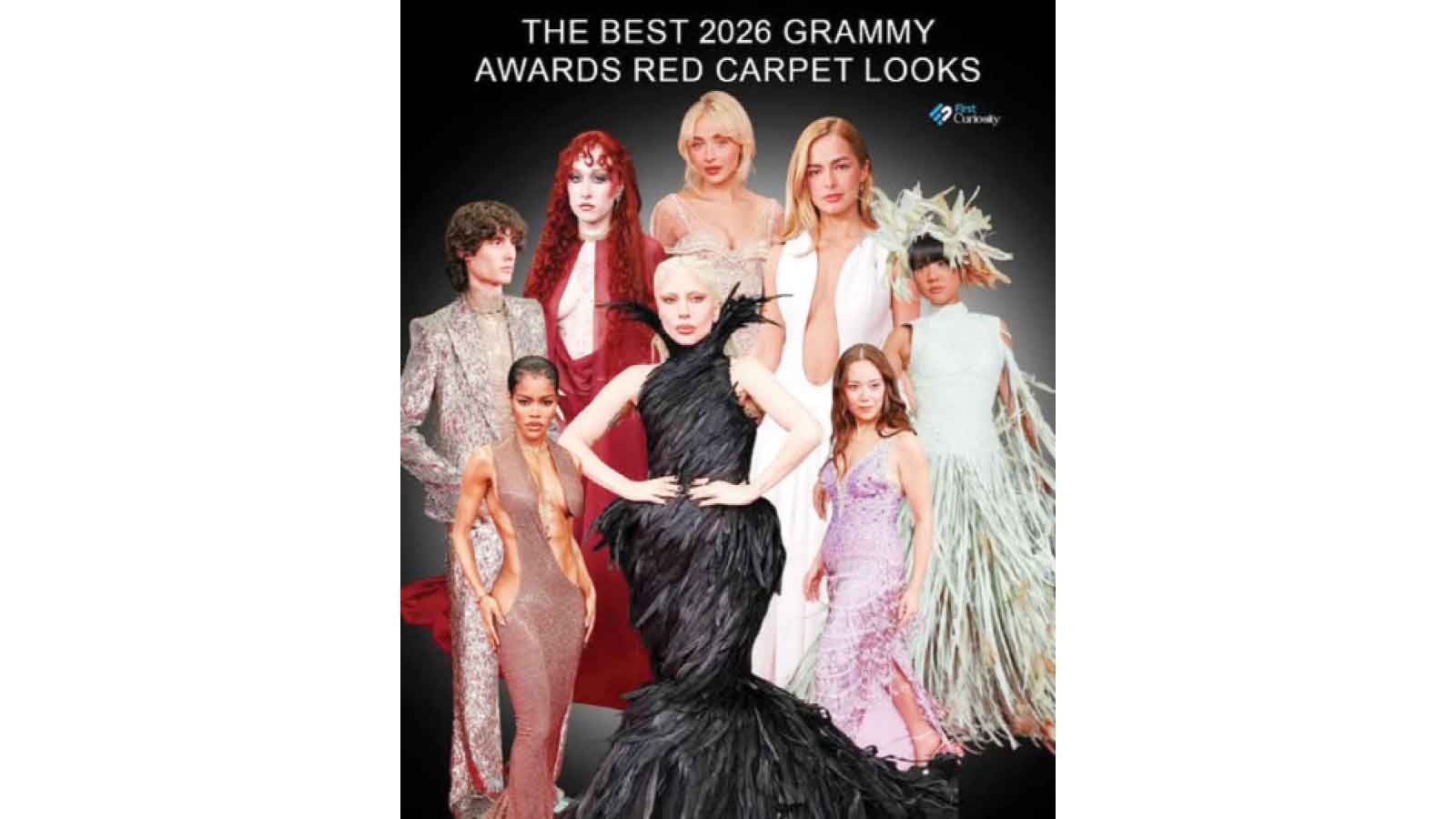
Tafadzwa Zimoyo-Fashion 263
I have been glued to the fashion moments from the Grammys 2026, and once again the red carpet confirmed something I have always believed: fashion is no longer an accessory to music — it is part of the performance. It is art!
What stood out this year was not excess for the sake of drama, but courage.
Artists arrived dressed like walking manifestos.
Gender boundaries were blurred, silhouettes were exaggerated, fabrics carried political, cultural and emotional weight.
These were not outfits designed to please everyone; they were looks designed to mean something.
As those images continue to circulate globally, my thoughts drift closer home, to the National Arts Merit Awards (NAMA) and the powerful theme guiding this year’s celebration: “Fearless Creativity.” With the countdown officially underway, the question is not who will wear what, but what will Zimbabwe say through fashion on its most important cultural red carpet?
Fashion is a universal language.
It speaks before we do.
It travels faster than words and crosses borders effortlessly.
When the Grammys showcase fearless fashion, they are not asking the world to copy them — they are challenging artistes everywhere to be authentic, intentional and bold.
Zimbabwe should learn from this moment, not by imitation, but by interpretation rooted in our own stories.
For too long, our red carpets have leaned on safety.
Ball gowns that feel more wedding aisle than awards night. Predictable suits that look corporate rather than creative.
I will not talk of basketball and soccer jerseys at this moment but a fear of standing out disguised as “elegance.”
But “Fearless Creativity” leaves no room for caution.
This is a theme that demands risk.
It demands that artistes stop dressing for approval and start dressing for expression.
At the centre of the theme is the lion — a symbol of confidence, pride, power and presence.
Translating that into fashion should be thrilling.
A lion does not whisper.
It commands space.
On the red carpet, that could mean sculptural silhouettes that exaggerate shoulders or volume.
Dramatic capes instead of jackets.
Asymmetrical cuts instead of neat symmetry.
Fringe, pleats, armour-like detailing, textured fabrics that move and breathe with the body.
Designers should feel free to experiment without apology. Traditional textiles fused with futuristic tailoring.
Hand embroidery paired with industrial materials.
Reimagined animal prints that avoid cliché and instead abstract strength and motion.
Bold colour palettes drawn from the land — burnt ochres, sun yellows, blood reds, deep blacks, electric blues.
Even monochrome looks can roar if the construction is daring.
And for artists walking the carpet, this is not the year to play it safe. Fearless fashion is not about looking “beautiful” in the conventional sense — it’s about being seen.
A male artiste in a designer cape or designer trousers.
A female artiste in sharp tailoring softened by beads or cowrie shells. Gender-fluid silhouettes that speak to freedom.
Accessories that tell stories: headpieces, staffs, sculptural jewellery, body adornment inspired by ritual and performance.
NAMA should also be a moment of assertion for Zimbabwean designers.
This red carpet can be a laboratory of ideas, a place where emerging designers debut bold concepts and established names reinvent themselves.
It should feel experimental, alive, slightly uncomfortable — because that is where art thrives.
One of our biggest local misconceptions is that “international” equals “Western.” Yet when you look closely at global fashion moments, what resonates most are artists who arrive rooted in who they are. African designers across the continent have proven that authenticity travels further than imitation. Zimbabwe has a deep well to draw from — history, resistance, spirituality, joy, pain, rhythm, texture. All of it can live in cloth.
Fearless creativity also invites conversations about sustainability and intention. Reworked garments. Upcycled materials. Pieces that carry meaning rather than trends. Wearing one powerful, story-driven outfit is far more memorable than ten polished but empty looks.
As NAMA approaches, I hope stylists, designers and artists understand the assignment. This is not about shock value. It is about courage. About allowing fashion to provoke thought, spark debate, inspire pride and maybe even discomfort. That is the role of art — to move us.
If the Grammys taught us anything this year, it is that fashion remembers those who dare. As Zimbabwe counts down to NAMA, the stage is set for a red carpet that roars — not timidly, not politely, but fearlessly.