admin
admin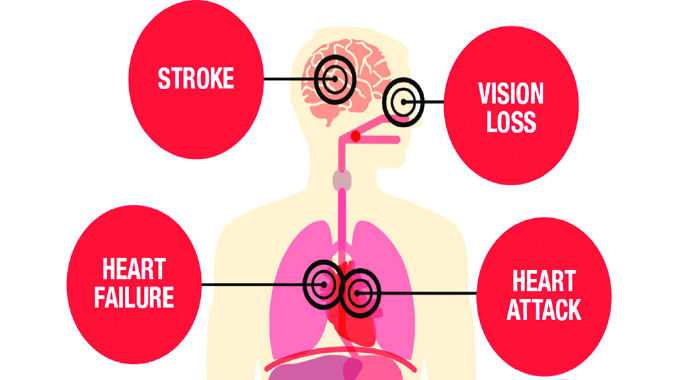
Fitness Correspondent
In today’s fast-paced world, it’s easy to overlook the importance of proper nutrition.
Whether you’re juggling a busy schedule, trying to lose weight, or simply not paying attention to your hunger cues, under-eating can have serious consequences for your physical and mental health.
Your body is a finely tuned machine, and it needs adequate fuel to function optimally.
If you’re not eating enough, your body will send you signals to let you know something’s off.
Certified nutrition specialist, Laurel Santiago, who is an expert in gut health and weight loss, took to social media to share what the signs are that might indicate that you’re not eating enough.
One of the symptoms is that you always feel cold.
When you don’t eat enough, your body has less energy to fuel its basic functions, including maintaining body temperature.
Another is that you have no energy and experience poor sleep. Food is your body’s primary source of energy, and when you don’t eat enough, your energy levels plummet.
She indicates that you will feel bloated and experience digestive issues.
When you eat less, your digestive system slows down to conserve energy. This can cause food to sit longer in your stomach and intestines, leading to bloating and discomfort.
No appetite and extreme hunger is another sign that you’re not eating enough.
When you consistently consume fewer calories than your body needs, it can lead to a decrease in appetite over time.
Lastly, she shares that you will experience brain fog.
Brain fog is a term used to describe a state of mental confusion, lack of focus, forgetfulness, or feeling mentally sluggish.
On to heart health alert: When we think of a heart attack, we imagine a dramatic scene of someone clutching their chest in pain before collapsing. But what if a heart attack happens without you even realising it?
Silent heart attacks are a growing concern in the medical community. The damage done to individuals by this disease often goes undetected because it occurs without obvious symptoms.
According to the American Heart Association (AHA), nearly 45 percent of all heart attacks qualify as “silent” meaning they go undiagnosed, only to be discovered much later during routine medical examinations or assessments.
Cardiovascular disease, the second leading cause of death in South Africa after HIV/AIDS, poses a significant threat, making awareness of silent heart attacks critical.
Murray Hewlett, the CEO of Affinity Health, warns, that individuals who have experienced a silent heart attack face a 35 percent higher risk of heart failure.
Alarmingly, younger adults, particularly those in their 50s or younger, are at an increased risk, further pointing to the need for vigilance among all age groups.
Understanding the signs
Recognising the signs of a silent heart attack can be the difference between life and death.
Recognising the signs of a silent heart attack can be the difference between life and death.
Here are five subtle signals you should never ignore:
Unexplained fatigue: Feeling persistently drained regardless of sleep quality? This could be your heart alerting you to a problem. Constant tiredness might stem from restricted blood flow that forces your body into overdrive, diminishing your energy levels.
Chest discomfort that feels like indigestion: Rather than the expected crushing pain, a silent heart attack may present as mild discomfort, tightness, or pressure in the chest. Many individuals mistake this for heartburn, but if it lingers despite antacids, don’t dismiss it.
Shortness of breath even without exercise: Sudden difficulty in breathing, even when at rest, may signify a deeper issue. If routine activities leave you gasping for air, it’s essential to investigate further.
Nausea, cold sweats, or dizziness: Experiencing these seemingly minor symptoms? They can serve as signs of a heart attack in progress. The autonomic nervous system may react by inducing nausea and profuse sweating, while reduced blood flow might make you feel faint.
Jaw, neck, or arm pain that won’t go away: Did you know that chest pain isn’t the only place you can feel a heart attack? Sometimes, it shows up as pain in the jaw, neck, or even the left arm especially in women.
The nerves in the heart and other parts of the upper body are closely connected. This means that pain from the heart can be “referred” to other areas, even when there’s no chest discomfort.
Why are silent heart attacks so dangerous?
Because silent heart attacks don’t always cause dramatic symptoms, they’re often dismissed as “just stress” or “getting older”.
Ignoring them can lead to serious complications, such as:
Permanent heart damage: An untreated heart attack may weaken the heart muscle, leading to possible heart failure. Having one silent heart attack raises your chances of having another possibly fatal heart attack in the future.
Undiagnosed heart disease: A silent heart attack is often a warning sign of underlying coronary artery disease (CAD). which can lead to more severe heart problems.
Seeking help and prevention
If you notice any of these symptoms, especially if they’re new or unusual, it’s vital to seek medical attention immediately. Symptoms can appear during rest or light activity, so don’t wait for the classic signs of severe pain.
Preventive measures are your best line of defence. Maintaining a heart-healthy lifestyle includes:
Regular check-ups to monitor your blood pressure, cholesterol, and blood sugar levels.
Staying active with at least 30 minutes of moderate exercise most days of the week.
Eating heart-smart foods rich in fruits, vegetables, whole grains, and healthy fats.
Quitting smoking to lower the risk of heart disease. Managing stress through relaxation techniques such as deep breathing and meditation.
Hewlett pointed out: “Your heart works hard for you, take care of it, and act fast if you notice symptoms. It could make all the difference.”
Silent heart attacks pose a serious risk, often going undetected and untreated. By being attuned to your body’s subtle signals and proactively seeking medical help if something feels amiss, you hold the potential to safe your health
Understanding and acknowledging their subtle signs could save your life don’t wait until it’s too late. — iolnews



 Online Reporter