admin
admin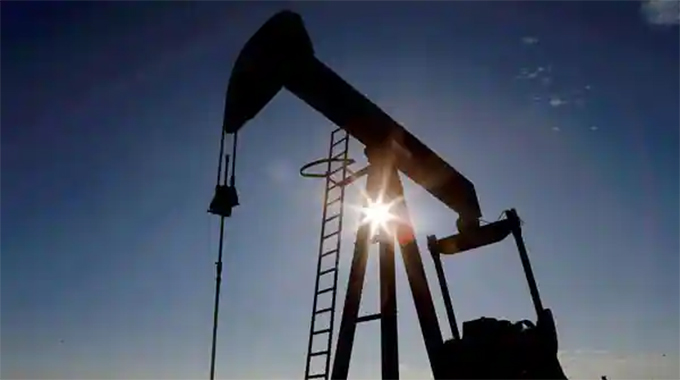
Oil steadied after sinking to the lowest close in about a month as traders took stock of the outlook for demand in China and the latest sanctions on Russian energy flows came into effect.
West Texas Intermediate held above US$73 a barrel after losing more than 3 percent on Friday as a bumper US jobs report bolstered the case for more rate rises from the Federal Reserve. International Energy Agency executive director Fatih Birol said at the weekend that China could be poised for a stronger-than-anticipated rebound that’ll boost demand for crude.
That positive view was echoed by the chief executive officer of Kuwait Petroleum Corp yesterday.
A European ban on seaborne imports of Russian oil products in response to the war in Ukraine came into effect on Sunday. The measure is coupled with a price cap similar to one in effect for crude, and designed to curb Moscow’s revenues while enabling products to flow to third countries.
Oil has endured a bumpy start to 2023 even as China’s ditching of Covid-19 Zero fanned a wave of speculation that the world’s largest crude importer will ramp up imports.
At the same time, the Organisation of Petroleum Exporting Countries and its allies have opted to maintain supply cuts, with Prince Abdulaziz bin Salman, Saudi Arabia’s energy minister, saying at the weekend that the kingdom will remain cautious about raising supply.
“Oil is finding support,” said Zhou Mi, an analyst at the Chaos Research Institute in Shanghai, citing China’s post-Covid-19 recovery. “However, headwinds remain as Russian supply is withstanding sanctions — on both the crude and products front — so far. We think the market will trade sideways short term.” — Bloomberg.



 Online Reporter