Thupeyo Muleya Beitbridge Bureau
CROSS-BORDER transporters, popularly known as omalayitsha, are being enlisted in efforts to curb child smuggling at Beitbridge Border Post, where unaccompanied minors face the risk of exploitation, abuse and abandonment during cross-border journeys.
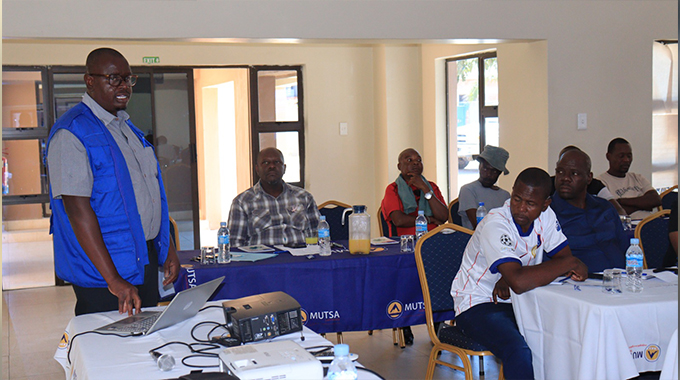
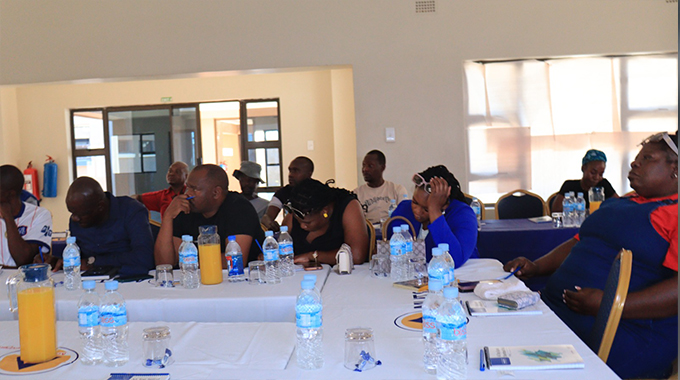
The International Organisation for Migration (IOM), in partnership with UNICEF and the Government, convened a one-day sensitisation workshop in Beitbridge to equip transporters with the knowledge and skills to identify vulnerable children and report suspected cases of trafficking and smuggling.
The engagement was held under the project, “Strengthening Protection, Safety and Wellbeing of Unaccompanied Minors and Separated Children in Zimbabwe”, which seeks to strengthen safeguards for children on the move.
Beitbridge Acting District Development Coordinator Mr Gugu Moyo said the district’s position along a busy regional migration corridor exposed unaccompanied and separated children to various forms of abuse.
“Protecting these children cannot be the responsibility of one institution alone. It requires coordinated action involving Government departments, law-enforcement agencies, development partners, communities, families and the transport sector. This is why today’s engagement is so important,” he said.
Mr Moyo said cross-border transporters were strategically positioned to identify children travelling without proper documentation, those separated from their caregivers and minors who might be under the control of suspicious individuals.
“Your decisions and actions can make a significant difference in protecting that child,” he said.
He said the workshop was intended to go beyond explaining laws and procedures by fostering practical cooperation between transporters and child protection institutions.
Participants were expected to learn how to recognise warning signs of trafficking and smuggling, understand the rights and vulnerabilities of children on the move and use appropriate reporting and referral channels.
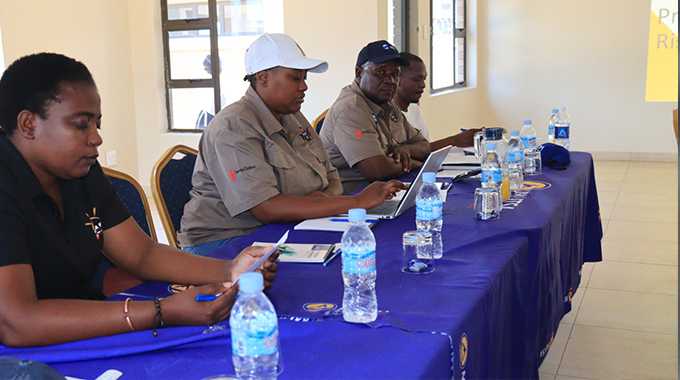
“I therefore encourage all participants to engage openly with the presenters, ask practical questions and share their experiences from the transport sector,” said Mr Moyo.
“The knowledge held by transporters is important because you understand the routes, operational realities and challenges encountered during cross-border journeys.”
He said his office remained committed to strengthening cooperation among stakeholders working to protect children in Beitbridge District.
Mr Moyo also thanked IOM, UNICEF and Government institutions supporting the initiative, urging transport associations to become child protection champions within their networks.
The workshop brought together representatives from the Department of Immigration, Department of Social Development, Zimbabwe Republic Police Victim Friendly Unit and Anti-Trafficking Unit, the Ministry of Justice, Legal and Parliamentary Affairs’ Legal Aid department, the Civil Registry Department and other child protection stakeholders.
IOM says children are among the most vulnerable groups in migrant populations, facing risks to their health and survival and an increased likelihood of violence, exploitation and abuse.
Cases of children being smuggled through the formal border or unofficial crossing points reportedly increase during major holidays. Some children are entrusted to bus crews or omalayitsha to facilitate their journeys across the border.
However, when border security checks intensify, some unaccompanied children are reportedly abandoned in the bush, exposing them to further danger.
The United Nations Convention against Transnational Organized Crime and its Protocol against the Smuggling of Migrants define migrant smuggling as the procurement, for financial or other material benefit, of the illegal entry of a person into a State of which that person is not a national or permanent resident.
The Beitbridge initiative seeks to ensure that transporters who encounter vulnerable children during cross-border journeys can help protect them by identifying risks and alerting the relevant authorities.