Online Reporter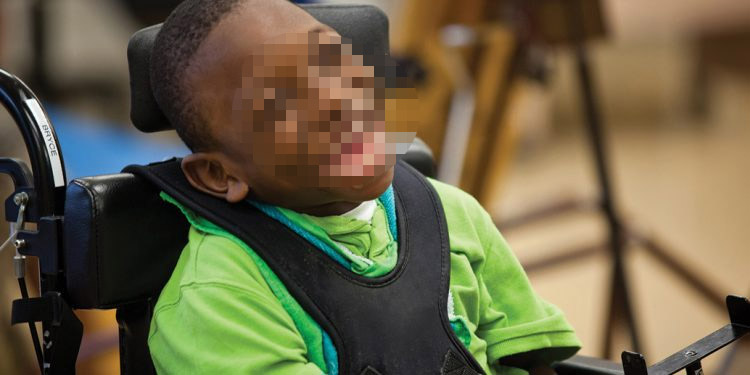
Tendai Gukutikwa
Health Reporter
MORE than 500 children across Manicaland are living with cerebral palsy — a complex neurological condition that affects movement, posture, and coordination.
Occupational therapist, Mr Clyde David Dube, noted that the actual figures may be higher, as cultural and societal beliefs often discourage families from seeking help.
He emphasised the importance of early intervention, urging parents and caregivers to have children assessed and supported as soon as possible.
“Many families delay or hide their children due to fear or stigma, but early support can transform lives. Children who receive therapy and guidance during their formative years can achieve independence, attend school, and participate fully in their communities,” he said.
Globally, one in every 500 children is born with cerebral palsy, making it the most common physical disability in childhood.
While there is currently no cure, a wide range of therapies — including occupational, physical, and speech therapy — have significantly improved outcomes, helping children lead fuller, more independent lives.
“The brain is remarkably adaptable during the early years. When children access therapy in time, they can learn, develop skills, and achieve independence in ways that would otherwise be impossible. Available interventions include occupational therapy, physiotherapy, speech-language support, and assistive technologies that enable children to participate in everyday life. Children who receive timely interventions are more likely to attend school, interact socially, and grow into productive adults. Families also benefit, as early support reduces emotional, financial, and physical burdens,” he said.
However, despite these benefits, challenges persist, especially in rural areas where trained therapists and rehabilitation centres are scarce, forcing families to travel long distances to access care.
He also said families also face considerable pressure in caring for children with cerebral palsy and therefore the need to access medical help.
“Emotional strain, financial difficulties, and physical demands can be overwhelming. Community-based programmes, support groups, and counselling services are critical, they help caregivers maintain well-being, while advocating for their children,” he said, stressing that public awareness is also essential when it comes to supporting families with children who have cerebral palsy.
“Awareness is the first step, but acceptance and action are what truly transform lives. By raising consciousness about cerebral palsy, we encourage timely intervention, reduce stigma, and promote social inclusion, creating a more equitable environment for all children. Investing in cerebral palsy support is not only a health priority but also a development imperative. Providing access to therapy, education, and inclusive services strengthens human capital, reduces long-term care costs, and enhances social cohesion. Every child supported has the potential to become an independent adult who contributes meaningfully to the province’s economic and social development,” said Mr Dube, further calling on local authorities, development partners, and community leaders to prioritise rehabilitation and inclusive education programmes.
“We need systems that reach all children, regardless of where they live. Schools can play a pivotal role, teachers trained to understand cerebral palsy can provide supportive environments that focus on abilities, not disabilities. Inclusive education builds confidence, social interaction, and essential life skills,” he said.
Cerebral palsy occurs when the developing brain is injured before, during, or shortly after birth.
“The term itself tells the story with cerebral referring to the brain, while palsy indicating weakness or difficulty in motor control. Cerebral palsy is not just a movement disorder, depending on the areas of the brain affected, children may also experience differences in speech, learning, vision, hearing, sensation, or behaviour. No two children with cerebral palsy are exactly alike, which is why personalised care is essential,” said Mr Dube.
March is recognised as Green Month, dedicated to raising awareness of cerebral palsy worldwide.
The colour green symbolises hope and solidarity.
“This month is not just about wearing green; it is about understanding cerebral palsy, listening to affected families, and advocating for services that allow children to thrive,” said Mr Dube, adding that cerebral palsy is classified into four main types – spastic, dyskinetic, ataxic, and mixed.
Spastic cerebral palsy, the most prevalent, is marked by stiffness and restricted movement, dyskinetic cerebral palsy involves involuntary, uncontrolled movements, ataxic cerebral palsy affects balance and coordination, while mixed cerebral palsy exhibits features of more than one type.
During Green Month, families, educators, and health professionals across the world don green ribbons, t-shirts, and badges in solidarity with children living with cerebral palsy.