Online Reporter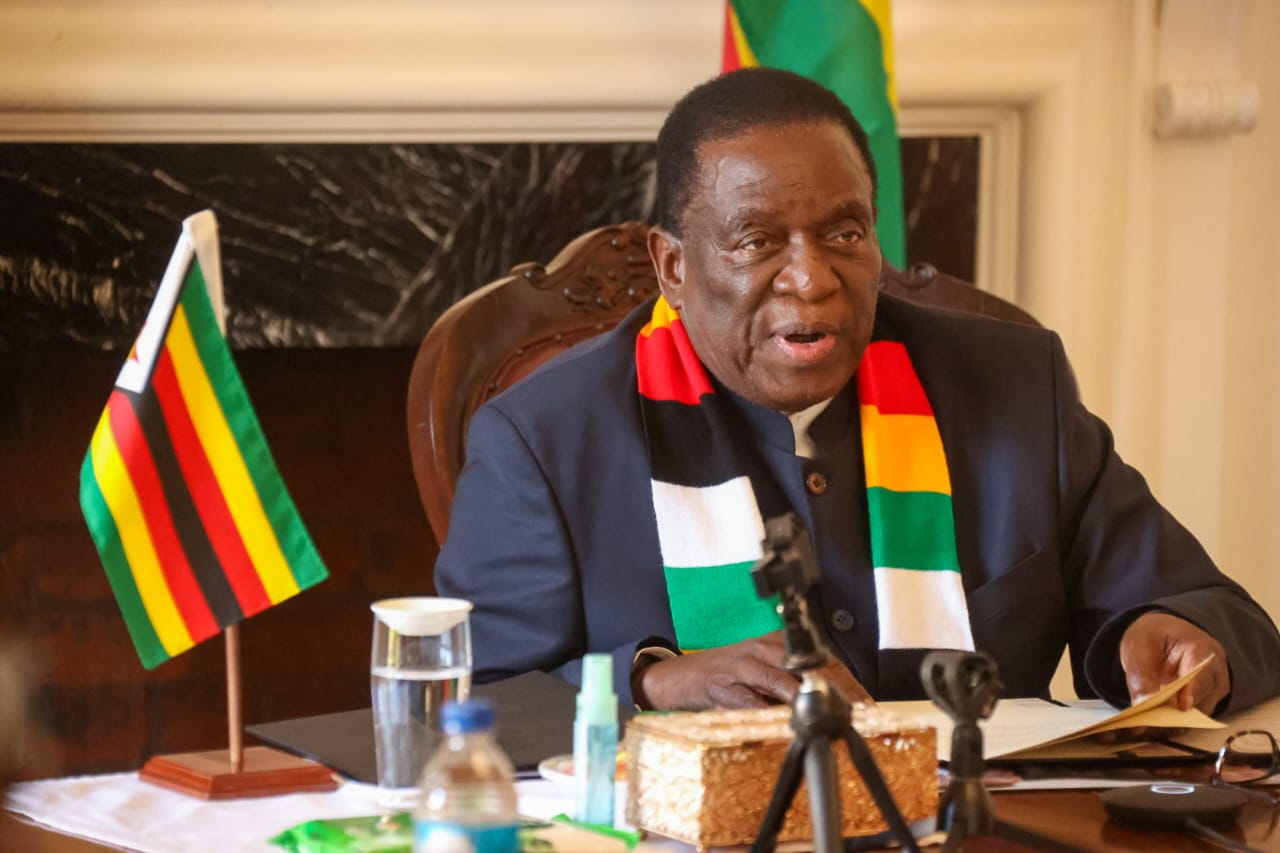
Rumbidzayi Zinyuke, [email protected]
PRESIDENT Mnangagwa has called on African countries to make sustained investments in resilient health systems, saying the ongoing Ebola outbreak in the Democratic Republic of the Congo and Uganda should serve as a wake-up call for the continent to strengthen its capacity to prevent and respond to public health emergencies.
The President made the call while announcing Zimbabwe’s commitment of US$1 million towards efforts to combat the Ebola outbreak in response to an appeal by the Africa Centres for Disease Control and Prevention (Africa CDC).
Addressing a high-level virtual meeting of Heads of State and Government and partners on the Ebola outbreak yesterday, the President said Africa must look beyond emergency responses and prioritise long-term investment in public health institutions, research and innovation, local manufacturing of medical products and a skilled health workforce.
“This outbreak also reminds us that sustainable health requires long-term African investment in strong health systems, public health institutions, research and innovation, local manufacturing capacity, and a skilled and well-resourced health workforce,” he said.
President Mnangagwa said health security was a shared responsibility and warned that an outbreak in one African country threatened the entire continent.
The meeting was convened by Burundi President Évariste Ndayishimiye to step up regional efforts to contain the Ebola outbreak.
The emergency meeting sought to mobilise political support for a coordinated US$518 million regional response plan following the declaration of the outbreak as a public health emergency.
The summit brought together Democratic Republic of the Congo President Félix Tshisekedi, Uganda President Yoweri Museveni, Botswana President Duma Boko, South Africa President Cyril Ramaphosa, Eswatini Prime
Minister Russell Dlamini, Equatorial Guinea President Teodoro Obiang Nguema Mbasogo, as well as health ministers, the Director-General of the World Health Organisation and other international partners.
President Mnangagwa said Zimbabwe fully supports the coordinated response being led by Africa CDC and the World Health Organisation (WHO) under the “One Plan, One Budget, One Team” approach.
“Zimbabwe reaffirms its full support for the role of the Africa CDC and WHO and stands ready to work with fellow Member states and partners on protecting the health and well-being of all peoples. Together, through solidarity, partnership and decisive collective action, we can advance Africa’s health security agenda, contain this outbreak, safeguard lives and build a healthier, safer and more resilient Africa,” he added.
The President said Zimbabwe has continued strengthening its national preparedness through enhanced disease surveillance, improved readiness measures and reinforced cross-border collaboration to bolster regional health security.
He also stressed that successful disease containment depended not only on medical interventions but also on transparency, effective communication and meaningful community engagement.
“We underscore the critical importance of community trust and public participation in outbreak response efforts,” he said.
President Mnangagwa reaffirmed Zimbabwe’s solidarity with the governments and people of the Democratic Republic of the Congo and Uganda and commended Africa CDC, WHO, frontline health workers and humanitarian partners for their efforts to contain the outbreak.
The outbreak, driven by the Bundibugyo strain of the Ebola virus, has affected more than 800 people and claimed over 200 lives, with transmission concentrated in the Democratic Republic of the Congo and spreading into neighbouring Uganda.
Ebola is transmitted through direct contact with the blood or bodily fluids of an infected person or contaminated materials. Although there is currently no licensed vaccine specifically targeting the Bundibugyo strain, early detection, isolation of cases, contact tracing and supportive treatment remain the cornerstone of efforts to contain its spread.
The WHO and Africa CDC have classified the outbreak as a Public Health Emergency of Continental Security, warning that continued cross-border movement and porous borders increase the risk of wider regional transmission if response efforts are not adequately funded.
Leaders at the summit called for stronger cross-border surveillance, increased investment in research, systemic disease control measures and greater international support to prevent further spread, while reaffirming Africa’s commitment to a coordinated continental response to safeguard lives and strengthen health security.