Chronicle Editor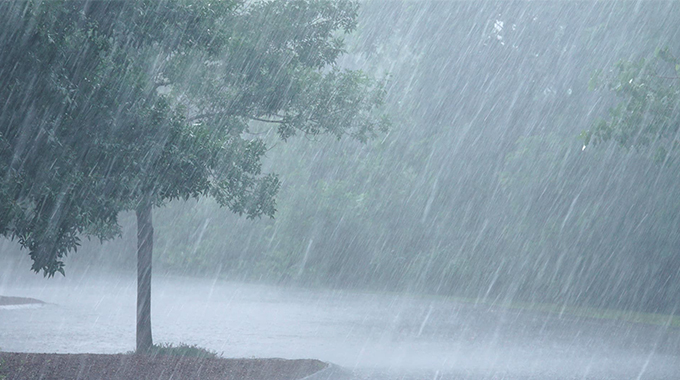
Farming Issues: Mhlupheki Dube
IT was a week made in Heaven as heavens opened for most areas and heavy downpours were witnessed. I am not sure if all districts of the drier southern part of the country received rains but the few that I managed to have contact with, reported heavy rains in most of their areas.
It is obviously a huge reprieve for livestock farmers some of whom lost a significant number of animals to poverty deaths during the period November to December due to delayed rains. I would, however, like to caution against complacency of any sorts from livestock farmers.
Yes, we have finally received rains but these are not yet enough to promote herbage growth which can sustain animals throughout the year until the next rainy season. Remember animals had significantly lost condition and they will take time to regain condition and build internal reserves for future use.
As livestock farmers we were already in the emergence mode, planning survival strategies that we would employ to see us through this drought year.
I would suggest we continue in that emergency mode and follow our plans unless if the rains continue until March.
If you were planning to ship hay bales from Mashonaland East for use this year, please continue. If you were planning to stock five bags a month of commercial feed for use later, please do so because we are not yet out of the woods.
My point is, do not let this wet week derail you from your properly laid down plans to save your herd. It is just one good week and as they say, one swallow does not make a summer!
It is the hallmark of folly to be caught “unaware” by a situation which you observed unfolding several months ago. Let us utilise the received rains to help us make culling decisions.
Most farmers have been failing to sell their animals because they had severely lost condition, now these will obviously improve condition as the grazing improves following the wet spell.
When the animals improve condition, let us immediately take the old cows and oxen to the market and use the money to plan for the hard times ahead. Older animals tend to be the first to succumb to drought hence the need to cull them first.
On a separate note, rains come with other livestock management burdens, chief among them the increase in tick load. This means your dipping needs to be stricter to control ticks and prevent tick-borne diseases. Let us not forget that we have January Disease among us and its effects will spike with the increase in tick load.
As farmers let us observe a very religious dipping schedule and complement the dipping with spot application of tick grease. The department of veterinary services have dipping regimes which it recommends to farmers depending on the season as well as disease prevalence in the area.
Let us follow those to the letter so that we arrest the spread of the deadly January Disease and even reduce incidences of other tick borne diseases. The season also comes with increase internal parasites as animals pick these during grazing.
It is good management practice to de-worm your animals so that they can effectively utilise the nutrients from their feed intake. Some farmers tend to only de-worm when they see an animal now showing signs of worm infestations and this is not good management.
There is a beef management calendar which provides a guideline of when to do what on your animals, let us follow the guidelines.
Every farmer should now be having his veterinary kit stocked up with appropriate chemicals such as acaricides, de-wormers and wound remedies because we are now in season.
Again, I repeat, let us keep our eyes on the ball, and the ball is the upcoming dry season which is likely to be more brutal than ever because of a short wet season. Uyabonga umntakaMaKhumalo.
ν Mhlupheki Dube is a livestock farmer. He writes in his own capacity. Feedback [email protected]/ cell 0772851275.


 Online Reporter