Online Reporter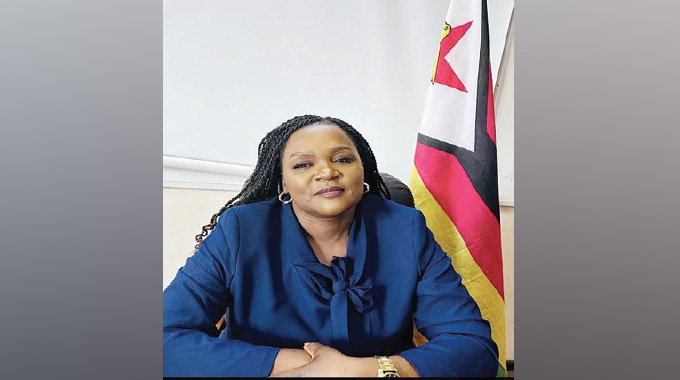
The Office of the Attorney-General is currently conducting an exercise that is meant to ensure access to justice countrywide. Zimpapers Reporter DEBRA MATABVU last week spoke to Attorney-General MRS VIRGINIA MABIZA about this initiative, among many other issues.
**************
Q: Your office indicated that it is at an advanced stage of establishing offices both within and outside Harare to improve public access to legal services. How far has the decentralisation progressed?
A: The Office of the Attorney-General is currently operational in five provinces: Harare Metropolitan (head office), Masvingo, Manicaland, Mashonaland West and Bulawayo. Each office is equipped with the necessary human capital and tools to serve clients effectively. The office plans to expand to the remaining five provinces, with the Midlands office scheduled to open in 2026.
This expansion is a game-changer for citizens, making justice more accessible and convenient. By reducing travel distances, we are increasing access to legal services, which ultimately contributes to improved justice delivery, a key outcome of the National Development Strategy 2 (NDS2). The remaining offices will be rolled out between 2027 and 2030.
Q: Which provinces or districts are expected to benefit first from the establishment of these offices?
A: The provinces with offices, along with their tributary districts, are already reaping the benefits of decentralisation. With justice delivery more accessible, turnaround times are reducing. Our offices are strategically located where High Courts are established by the Judicial Service Commission, ensuring that top-notch legal services are within reach. As we expand, we are leveraging the Integrated Electronic Case Management System (IECMS) to streamline processes and enhance efficiency. This blend of physical presence and digital innovation is key to enhanced service delivery.
Q: What impact do you expect decentralisation to have on access to justice, particularly for communities in remote areas?
A: Decentralisation will revolutionise access to justice, bridging the urban-rural divide. Provincial offices will bring legal representation closer to communities, foster nuanced understanding of regional issues and cultural contexts, enable direct interaction with officials, enhancing trust and effectiveness, facilitate timely, cost-effective justice delivery and inform drafting of laws with grassroots insights.
Decentralisation will promote social inclusion, ensuring all citizens, regardless of location, can access sound legal justice. By bridging the legal gap, we empower communities and strengthen our commitment to serving public interest, aligning with our mandate on promoting the rule of law and defending public interest. We will also better serve communities, address local issues and uphold justice.
Q: In his 2025 State of the Nation Address, President Mnangagwa indicated that the slow alignment of legislation to the Constitution has partly been caused by shortages of human resources in your office. What steps are you taking to address this challenge?
A: The Office of the Attorney-General of Zimbabwe has taken several steps to enhance legislative drafting capacity. To strengthen the department’s staffing levels, 12 State attorneys who were previously assigned to various Government ministries have been reassigned to the Legislative Drafting Department. This move aims to support the legislative alignment programme and improve turnaround times for drafting work.
Additionally, two new State attorneys have been recruited directly for the Legislative Drafting Department. As a result, the department’s staff complement has increased to 21, up from seven at establishment in 2024. The State attorneys within the department undertook one-year specialised training in legislative drafting at the University of Zimbabwe to enhance their capacity.
Q: Has your office received additional funding or approval to recruit more legal personnel?
A: The Office of the Attorney-General of Zimbabwe received Treasury concurrence to recruit additional legal personnel. The approval is intended to strengthen the office’s capacity to provide timely and effective legal advice to Government ministries, departments and agencies, and to enhance the overall efficiency in the discharge of its constitutional and statutory mandate of providing legal advice to Government, supporting ministries, departments and agencies, and ensuring the timely handling of legal matters in the public interest. The additional personnel will assist in addressing the growing workload and in enhancing the efficiency and quality of legal services provided by the office.
Q: Approximately how many laws are still awaiting alignment?
A: As of December 31, 2025, 16 pieces of legislation remain outstanding for alignment with the 2013 Constitution of Zimbabwe, out of an initial 204 identified. The alignment process is ongoing, driven by evolving global trends, domestic issues, technological advancements and emerging challenges.
Q: What timeline should the public expect for the completion of this process?
A: The law-making process involves extensive public participation, Parliamentary debates and requires Presidential assent. Given the complexity and participatory nature of this process, there is no fixed timeline for completion.
The 16 outstanding pieces of legislation are gazetted and at various stages of the legislative agenda. The Office of the AG will, however, consider the following law-making as a dynamic and continual process; public participation and parliamentary engagement are crucial, and timeline for completion depends on various stakeholders’ input.
While the alignment process is ongoing, Zimbabwe’s Parliament remains committed to ensuring laws reflect the Constitution and serve the nation’s best interests. Through continued public engagement and transparent law-making, Zimbabwe is building a robust legislative framework for a prosperous future. The public can be assured that efforts are underway to finalise the outstanding legislative alignments, reinforcing the rule of law and constitutional governance.
Q: Your office has been overseeing the ongoing Gukurahundi hearings taking place in the Matabeleland and Midlands provinces. How many cases or testimonies have been recorded to date?
A: As of March 10, 2026, a total of 25 072 submissions have been recorded to date. Of these, 13 700 submissions (54,64 percent) are from Matabeleland North province, while 11 372 submissions (45,36 percent) are from Matabeleland South province. In terms of gender distribution, 15 228 submissions (60,74 percent) were made by female participants, while 9 844 submissions (39,26 percent) were made by male participants. The process remains ongoing, and the statistics continue to be updated as additional testimonies are received and transcribed.
Q: When do you anticipate the hearings will conclude? And what will be the next stage once the hearings are completed?
A: The community engagement process is ongoing in the affected provinces under the leadership of traditional leaders. As such, it would be premature to indicate a definitive date for the conclusion of the hearings, as the process is guided by the need to allow all affected communities adequate opportunity to present their testimonies.
In approximately four months, the steering committee will conduct a comprehensive review of the progress made to date. Following this review, they will advise the National Council of Chiefs on the appropriate next steps, which will include transitioning to the reporting and recommendation stage. The outcomes of this process will then inform the Government’s next steps towards national healing, reconciliation and appropriate policy or legislative measures.
Q: In 2023, the Lithuanian government seized fire trucks that had been purchased by Zimbabwe, raising concerns about the indirect impact of sanctions on public contracts. Has the Government begun reviewing procurement procedures to insulate public contracts from similar risks in the future?
A: Yes. The Government has taken note of the challenges that arose in relation to that procurement process. As a result, relevant authorities are reviewing existing procurement procedures and contractual safeguards with a view to strengthening due diligence, risk assessment and compliance mechanisms in public procurement. The objective of this review is to ensure that future public contracts are structured in a manner that minimises exposure to external risks, including those arising from international restrictions, while maintaining transparency, accountability and value for public resources, in accordance with the country’s procurement laws and regulations.
Q: Could you briefly explain the role of the Attorney-General’s Office in the drafting and legal review of the Constitutional Amendment No. 3 Bill?
A: The Office of the Attorney-General plays a central role in the drafting and legal scrutiny of Government legislation, including Constitutional Amendment Bills. In the case of the Constitution of Zimbabwe (Amendment No. 3) Bill, the office provided legal and technical support in the preparation of the Bill, ensuring that the proposed provisions were properly framed and aligned with the Constitution and the broader legal framework of the country.
This process forms part of the Attorney-General’s constitutional and statutory mandate to advise Government on legal matters and to assist in the preparation of legislation for consideration by Parliament.