


 Online Reporter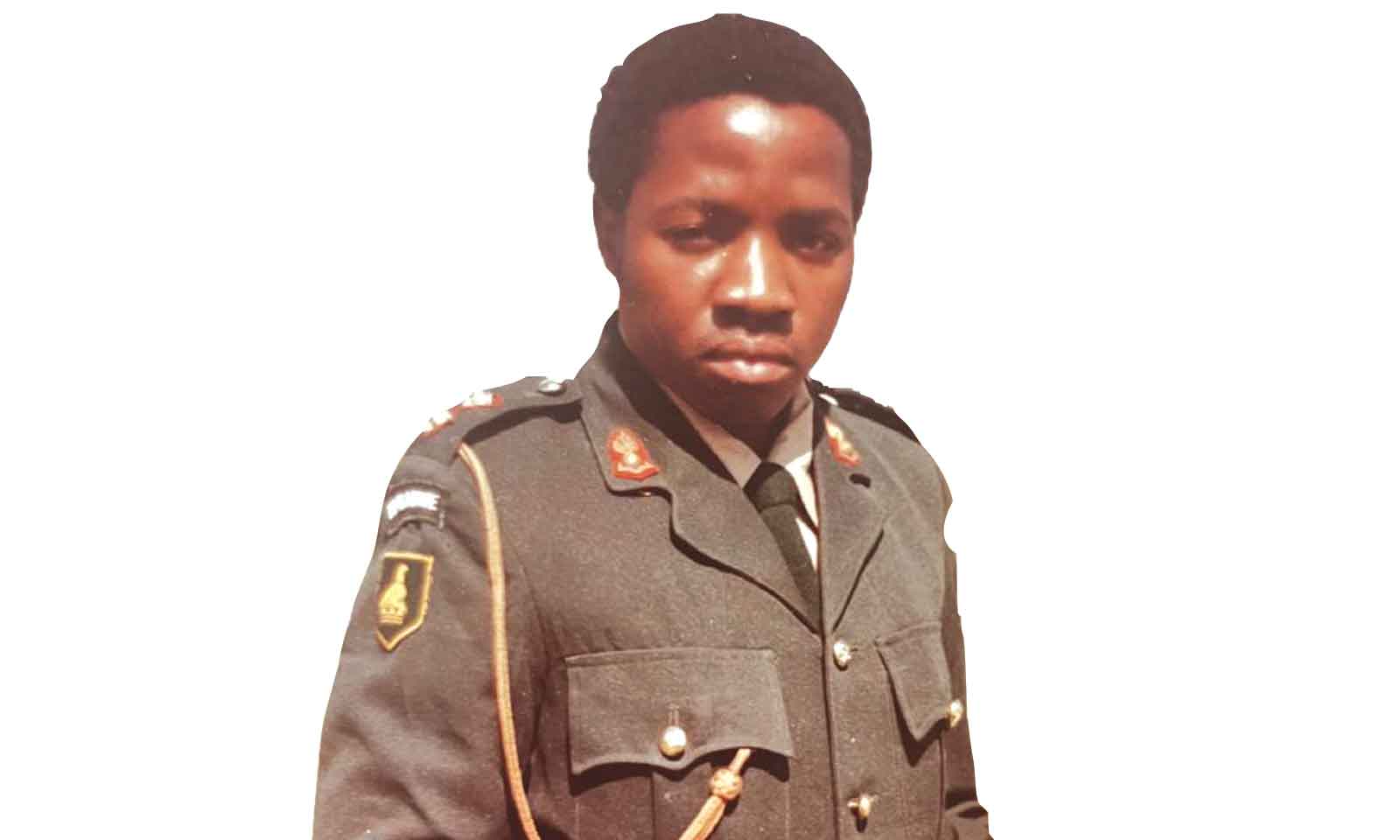
During the liberation struggle, Nachingwea evolved as a premier training centre for freedom fighters. This week, Cde HUMPHREY MAKUYANA, whose Chimurenga name was Kidd Kanyau, explains how success of the centre was deeply rooted in the pivotal support of the Tanzania People’s Defence Force (TPDF). He shares with our Society Editor PRINCE MUSHAWEVATO details of how Zimbabwe African National Liberation Army (ZANLA) recruits were transformed into a professional and formidable fighting force.
*******************
Q: Can you highlight how Zimbabwean fighters benefitted from the training camps set up in Tanzania?
A: As I indicated, ZANLA was transformed into a disciplined, politically grounded fighting force, and its impact was further amplified by the professional contributions of ZIPRA. Together, these forces secured victory and laid the foundations for Zimbabwe’s post-independence institutions. In the annals of Zimbabwe’s liberation history, few places evoke as much reverence as Nachingwea — a key ZANLA training base in southern Tanzania — alongside earlier camps like Morogoro, Bagamoyo and Mgagao. Though far from Zimbabwe’s borders, Nachingwea became the “beating heart” of the people’s war.
It nurtured the minds and bodies of thousands of young men and women who would go on to challenge one of Africa’s most entrenched settler colonial regimes.
Between mid-1976 and the final years leading to independence in 1980, Nachingwea served as a strategic military and ideological facility for ZANU’s military wing, ZANLA.
It was here that over 15 000 liberation fighters — including more than 100 regular officer cadets — received intensive training in guerrilla warfare, revolutionary discipline, political doctrine and army administration. Three specific recruit intakes were trained at Nachingwea, namely Songa Mbele, Fanya Haraka and Sasa Maliza.
Q: Could you tell us about the age ranges of the recruits in those three intakes?
A: What is often forgotten — and must never be — is that the majority of these recruits were in their teens and early 20s. Many were secondary school learners, farm labourers, urban youths and workers who abandoned their homes and families to take up arms. Some were as young as 15 or 16; I was one of them. What united us was a burning desire to liberate our homeland from colonial oppression. Our youth was not a weakness; rather, it was a source of revolutionary energy. At Nachingwea, these young volunteers were transformed into battle-hardened fighters and ideologically conscious cadres, ready to lead the national armed struggle.
Q: What exactly would you attribute the success of Nachingwea to as a training institution?
A: The success of Nachingwea as a liberation training centre owes much to the pivotal role played by the Tanzania People’s Defence Force. As the host nation’s national army, the TPDF led the training programmes, offering technical military instruction in small arms handling, explosives, tactics and field survival.
Beyond the hardware, they instilled a rigorous sense of discipline, military ethics and ideological grounding. ZANLA instructors — many of whom were trained in Tanzania, China or Mozambique — initially played a vital complementary role. They provided instruction tailored to the unique nature of the Zimbabwean struggle, specifically teaching guerrilla tactics suited to our geography and rural-based mobilisation strategy.
Together, the TPDF and ZANLA created a training ecosystem that produced some of the most capable liberation fighters on the African continent. This partnership was more than technical; it was Pan-African. It symbolised the broader unity of African peoples in the fight against colonialism and stands today as a shining example of international solidarity.
Nachingwea was a revolutionary institution — a political school where young men and women were immersed in the principles of anti-colonial resistance, nationalism and socialist ideology. The curriculum was holistic, from early morning drills to classroom sessions on dialectical materialism and from bush survival to public speaking. It produced not only soldiers but future leaders and administrators.
Q: How were the living conditions in the training camps, considering the huge numbers that passed through at any given moment?
A: Living conditions were harsh, but the spirit was unbreakable. Recruits faced hunger, illness and the psychological toll of preparing for war, yet our resolve remained firm. We understood we were preparing to lay down our lives so that future generations could live in dignity. Many fighters who passed through Nachingwea would later distinguish themselves on the battlefield, launching attacks on enemy fortifications, recruiting rural populations and leading strategic operations that wore down the Rhodesian forces.
Countless others did not live to see independence; they remain unburied, scattered across the region as martyrs to a noble cause. Those who survived went on to become senior officers — some still serving in the general officer ranks of the Zimbabwe Defence Forces — as well as leaders in Government and civil society, and as respected elders. That foundational education, guided by the discipline of the TPDF and the ideological clarity of ZANLA, became a cornerstone of Zimbabwe’s post-independence nation-building.
Q: Please, carry on.
A: Today, Nachingwea stands as a symbol of Pan-African unity, youthful sacrifice and unyielding resolve. It is a sacred chapter in the story of Zimbabwe’s birth — a reminder that freedom is never given but earned through courage and collective action.
As the generations born after independence rise to inherit the fruits of that struggle, let them remember that their freedom was secured by young people, barely out of their teens, trained under foreign skies. Let them walk in dignity, but also in gratitude.
Nachingwea is not just a place; it is a legacy. It is a call to protect what was fought for and to continue building a just and democratic Zimbabwe.
Next week Cde Makuyana discusses the complex strategy of survival and adaptation in the immediate aftermath of independence in 1980, exploring how liberation fighters transitioned from the bush to the challenges of building a new, independent Zimbabwe.



