Online Reporter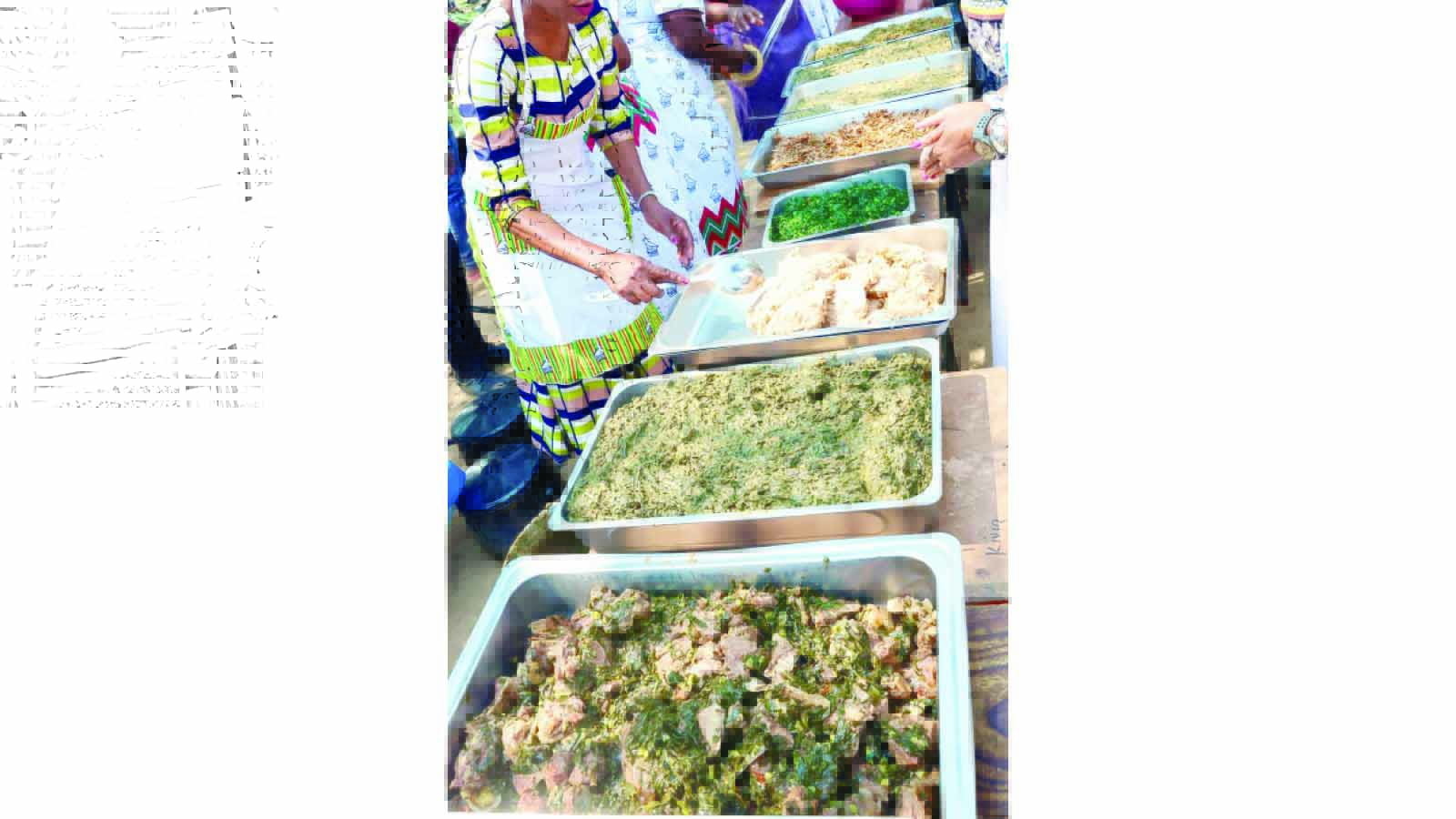
Sukulwenkosi Dube-Matutu, [email protected]
PLANS are underway to expand the school feeding programme in Matabeleland South Province, where only 241 primary schools are currently implementing the initiative against a target of 528 schools.
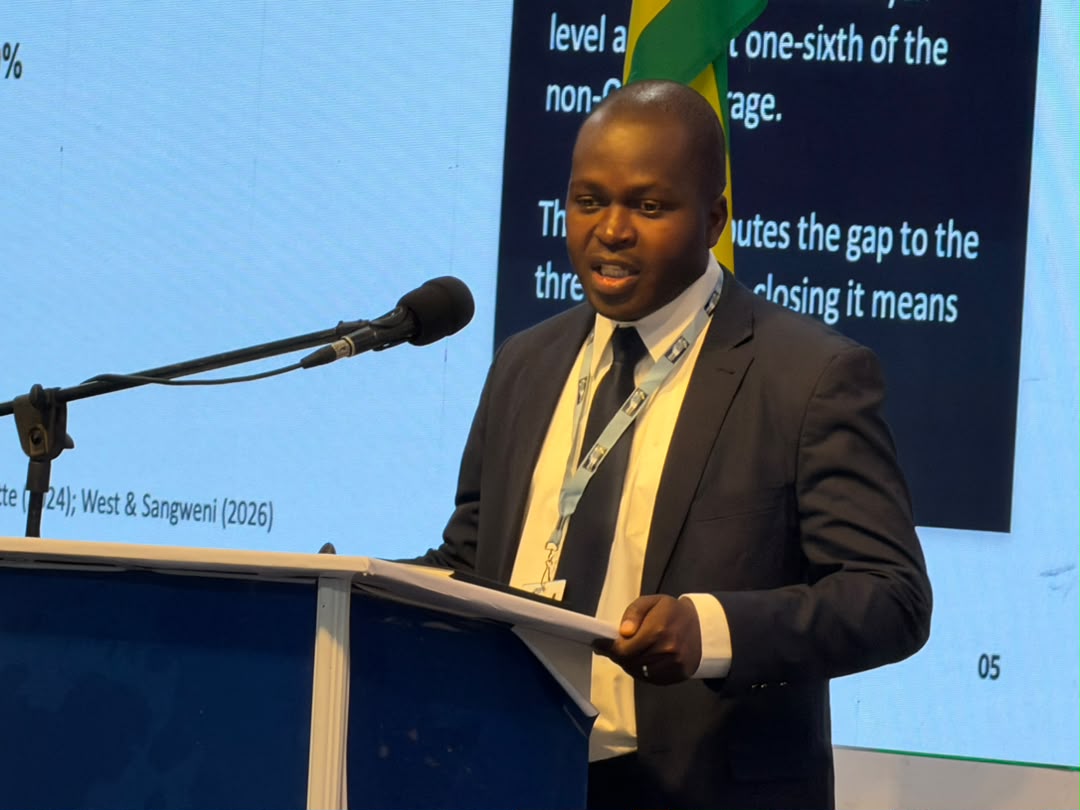
Presenting the Science, Technology, Innovation and Human Capital Development Subcommittee report during a
Provincial Development Committee meeting, Mr Richard Moyo said 92 982 learners are benefitting from the programme, while a significant number remain uncovered.
The home-grown school feeding programme provides at least one hot, nutritious meal a day to millions of vulnerable primary school learners across the country.
By linking education with agriculture, the programme seeks to combat child malnutrition, improve school attendance
and support local economies through the purchase of food from smallholder farmers.
In line with Statutory Instrument 13 of 2025, all primary schools are required to provide at least one hot meal a day
to learners. Rather than relying solely on external food aid, schools procure agricultural produce such as maize, beans and fresh vegetables from local farmers.
Schools have also been encouraged to establish nutrition gardens and produce some of the food required to sustain the programme.
“The target of the home-grown school feeding programme is to have all 528 schools feeding children. At the money only 241 schools are implementing the feeding programme with a total number of 92 982 learners benefiting.
“About 287 schools are not implementing the feeding programme bringing the number of learners who are not benefitting to 192 591. There is need for all schools in the province to take up the feeding programme. We have children that walk long distances to school and they leave home without eating. This is affecting the learning process,” he said.
Mr Moyo said access to a hot meal at school has the potential to improve learning outcomes, increase pass rates and reduce absenteeism among learners.
He said the province recently received 40 tonnes of sugar beans, which have since been distributed to primary schools under the feeding programme.
Government introduced the school feeding programme in 2024, providing relief to learners at a time when many households were reeling from the effects of the El Niño-induced drought.
The impact of the intervention has been reflected in improved school attendance, particularly among learners who previously missed classes because of the challenges associated with travelling long distances to school on empty stomachs.
By guaranteeing at least one hot meal a day, the programme has not only helped alleviate hunger but has also contributed to improved educational outcomes.
Sengezane Primary School Development Committee chairperson, Mrs Sikhathele Ndlovu, said spending an entire school day without food makes it difficult for learners to concentrate.
She said the provision of meals at the school has contributed to improved academic performance and pass rates.
A parent with a child at Ntalale Primary School, Ms Beauty Moyo, said it is often difficult for parents to encourage children to attend school when there is no food at home.
“We will be having the desire to send our children to school but sometimes we feel we will be burdening them if we send them to school on an empty stomach and without pocket money. This ends up putting the girl child under pressure to look for men to support them. In order to protect our children we end up resorting to keeping them at home,” she said.
According to the Ministry of Primary and Secondary Education, the school feeding programme has had a significant impact, with continuous monitoring and evaluation being conducted to assess its effectiveness and guide necessary improvements.
Assessments carried out by the ministry have shown a strong correlation between the provision of school meals and improved attendance, particularly in rural communities.
Learners receiving regular meals have been found to be more attentive and engaged in class, resulting in better academic performance and overall wellbeing.
The programme has also become an important entry point for improving education, food security and nutrition outcomes.
Guided by findings from the Zimbabwe Livelihoods Assessment Committee (ZimLAC) 2024 report, which highlighted the urgent need for food assistance and nutrition support, Government rolled out the programme as part of broader efforts to cushion vulnerable households.
Under the initiative, Government provides grain while parents mobilise resources to purchase relish and other supplementary food items.
The programme has improved learner attendance and nutrition, particularly among children who had previously dropped out or were attending school irregularly, allowing education authorities to maximise access to learning opportunities.
Research has consistently shown that school feeding programmes improve concentration levels, helping learners perform better academically while also supporting their overall development.