dyton mupawaenda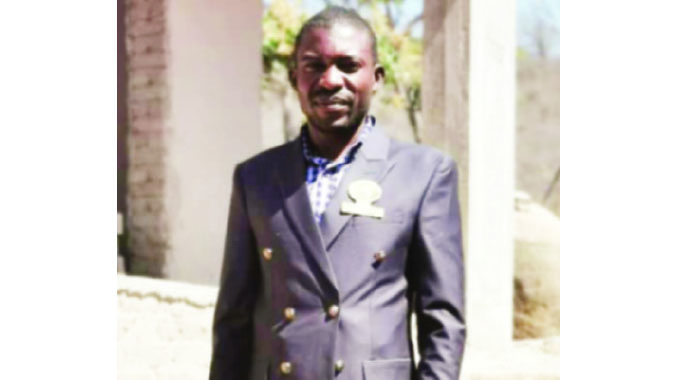
Ivan Zhakata-Herald Correspondent
AHEAD of the October 25 SADC Anti-Sanctions Day, Chief Marozva, real name Ishmael Mudhe from Bikita West, has called on Zimbabweans from across the political divide to unite and call in unison for the lifting of the unjustified economic measures.
This year the SADC Anti-Sanctions Day will be held under the theme, ‘Harnessing the Youth for Accelerated Socio-Economic Development in the Fight Against Sanctions’.
The theme recognises the youth’s resilience, courage, fortitude and unflinching determination in the face of illegal sanctions, with young people having heeded President Mnangagwa’s clarion call that “Nyika inovakwa nevene vayo, ilizwe lakhiwa ngabanikazi balo”.
In an interview, Chief Marozva said sanctions were affecting everyone notwithstanding one’s political affiliation or religious belief, hence the need to speak with one voice for their unconditional removal.
“Sanctions are not affecting individuals in their personal capacity but they are affecting every ordinary citizen in the country and we need to be united and advance our country by pushing for the removal of the illegal sanctions. It is like a revolution in which everyone has to participate and speak with one voice.”
Illegal economic sanctions were imposed on Zimbabwe by the United States and her Western allies as punishment for the land reform programme that restored land to marginalised blacks.
And while the West and its apologists peddle propaganda that the sanctions are targeted, Chief Marozva said people in Bikita, a rural area in the province of Masvingo, are bearing the full brunt of the sanctions.
He said Bikita has not been spared from the effects of the sanctions as they were finding it difficult to sell minerals abroad, secure medication in hospitals, and provide quality education to learners.
“Sanctions have affected us a lot in Bikita. We have Bikita Minerals which employs over 3 000 people but the company is not allowed to sell its minerals abroad. Lithium from Bikita is not fetching the best international market prices, affecting the value addition.
“Our country is not free to trade with some countries because of sanctions and this has greatly affected us down to the community level. Our health system in Bikita is also suffering from the effects of the illegal sanctions as there are no medications in local clinics. Patients with complicated illnesses are being referred to Bulawayo and Harare, yet our hospitals should be fully equipped to serve the local people.”
Chief Marozva called on traditional leaders to mobilise people in their communities to join the nation in the fight against sanctions despite their political backgrounds.
SADC declared October 25 as the Day of Solidarity Against Sanctions on Zimbabwe and this year the campaign is coming on the backdrop of growing calls for the unconditional removal of the illegal sanctions that have bled Zimbabwe of billions of dollars in both direct and indirect investment.


 Online Reporter