
Herald Correspondent
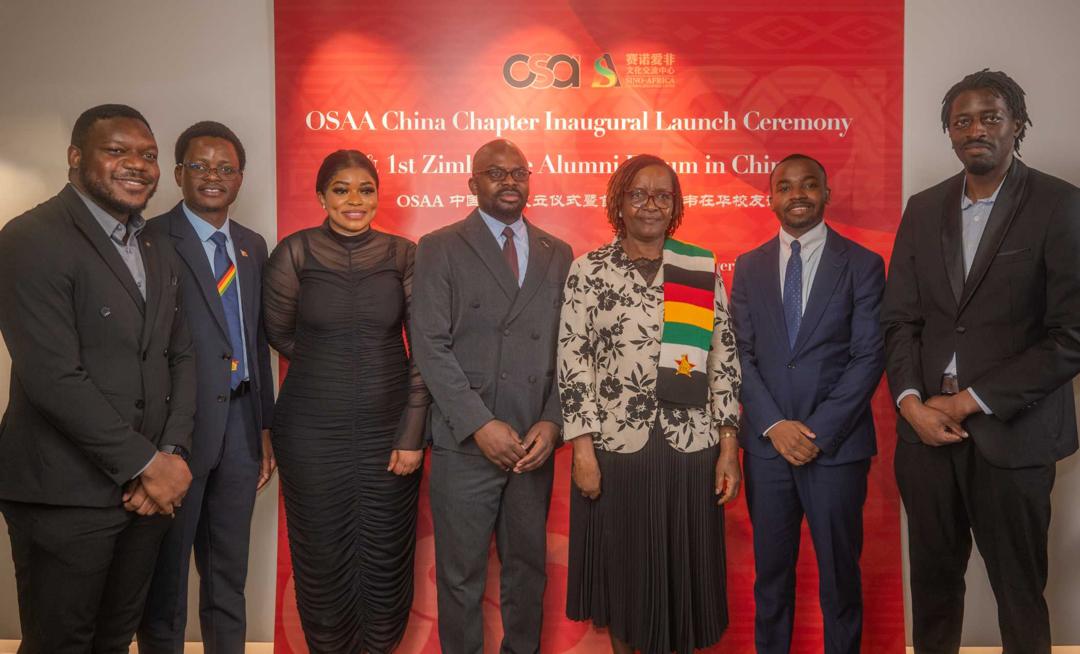
Zimbabwe-China relations received a boost with the successful launch of the Overseas Students Alumni Association Zim-China (OSAA) China Chapter and the inaugural Zimbabwe Alumni Forum held here recently.
The hybrid event, hosted at the Sino-Africa Hub on April 4, ran under the theme “Uniting Alumni, Bridging Zimbabwe and China, Empowering the Future” and brought together Zimbabwean graduates in China, diplomats, academics and business leaders.
Zimbabwe’s Ambassador to China, Ambassador Abigail Shonhiwa, was guest of honour and commended the initiative for aligning with the country’s development agenda.
“This platform is in sync with our national priorities as espoused in Vision 2030 and the National Development Strategy 2,” she said.
“It transforms educational mobility into tangible socio-economic impact, ensuring that graduates leverage their Chinese education to drive industrialisation and modernisation at home.”
A video message from OSAA main chapter chairman Mr Walter Chanaka highlighted the association’s origins and its focus on bridging the gap between skilled returnees and employment opportunities.
Mr Chanaka said the organisation, formed in 2023, seeks to ensure Zimbabwean graduates from China are effectively integrated into the domestic economy.
“We recognised that many returnees possess valuable skills but lack clear pathways into the job market. OSAA was created to bridge that gap,” he said.
During the event, Ambassador Shonhiwa presided over the appointment of the OSAA China Chapter’s inaugural board, officially marking the establishment of the chapter.
China Chapter chairman Mr Tungamirai Eric Mupona said the platform would focus on building a comprehensive alumni database, facilitating linkages between professionals and industry, and promoting knowledge exchange.
Secretary-general Mr Tagarika Munyaradzi Maruza outlined key programmes including academic seminars, cultural exchanges and career development initiatives.
The forum also provided a platform for engagement between alumni and industry, with several Chinese firms outlining investment opportunities in Zimbabwe.
Xin Gang Lian Metallurgy presented its plans for the Palm River Energy Metallurgical Special Economic Zone, while Huayou Cobalt, through its Zimbabwean subsidiaries, highlighted ongoing investments and employment creation.
Other firms, including Dinson Iron and Steel and Sinotruk, also participated, signalling growing demand for bilingual Zimbabwean professionals with China-based experience.
In a virtual address, Professor Oliver Chikuta emphasised the need for stronger collaboration among Government, academia and industry to maximise the benefits of international education.
Contributions from academics and development practitioners also underscored the importance of mentorship and structured support systems for students and graduates.
A China-Africa youth mentorship and career development programme was also launched to support African students in China.
Discussions during the forum focused on enhancing recognition of China-acquired qualifications and improving the transition of graduates into Zimbabwe’s labour market.
The OSAA China Chapter is expected to play a key role in linking Zimbabwean talent with investment opportunities, contributing to skills transfer and national development.