Vusumuzi Dube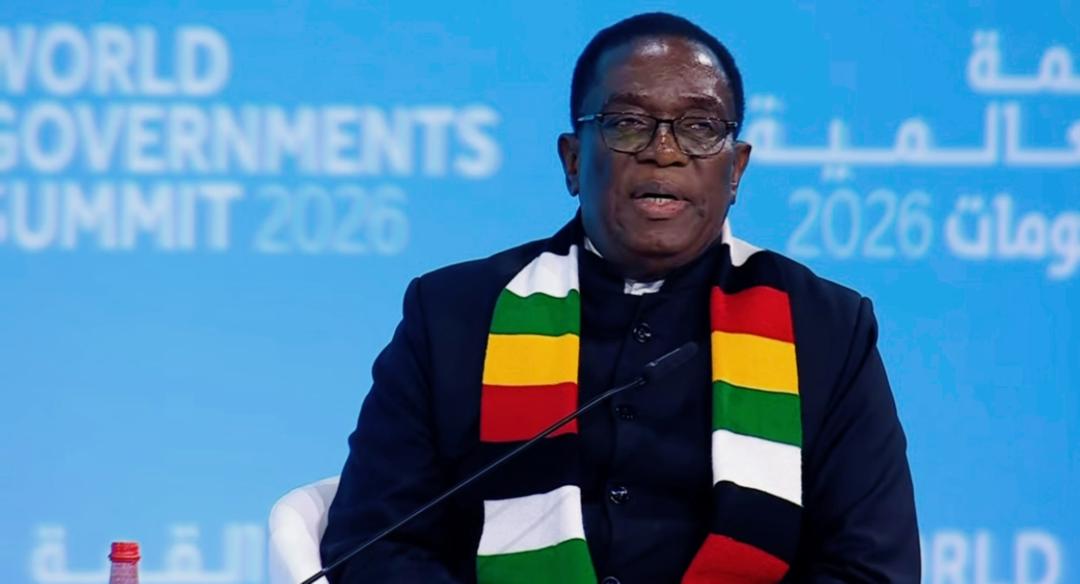
From the gleaming conference halls of Dubai’s World Governments Summit, a clear and defiant message echoed, cutting through the usual diplomatic platitudes. President Mnangagwa, framed against a backdrop of global power players and potential investors, articulated a philosophy that is rapidly defining a new era for many African nations: “We please ourselves.”
This declaration, “Our resources, our rules,” is not mere political theatre. It is the hardened core of a national identity forged in the fire of sanctions and a recalibrated global outlook. As reported from the summit, President Mnangagwa’s engagements were all conducted under this unwavering principle. Zimbabwe is open for business, but entirely on its own terms.
The narrative is potent because it is rooted in recent history. As the President recounted, the post-independence development model, heavily reliant on the West, was fundamentally altered by the land reform programme. The subsequent imposition of “illegal sanctions” was meant to cripple and compel obedience. Instead, it fostered a resilient and stubbornly independent mindset. The message from Dubai is that this period of pressure, rather than creating a beggar nation, created a tougher, more pragmatic one. The country was forced to look East, to diversify its partnerships, and ultimately to prioritise its own judgment of what constitutes “the best results for the country’s resources.”
This is the critical shift that the West often misinterprets. This is not an isolationist policy. As evidenced by the intense investor courtship in Dubai targeting energy, agriculture, and logistics, Zimbabwe is aggressively seeking partnerships. The difference now is the multiplicity of options. The world is no longer a binary choice between former colonial masters and new suitors. It is a marketplace of opportunities where Zimbabwe, like many African states, can negotiate with Europe, China, the UAE, and others simultaneously, leveraging each against the other to secure favourable terms.
President Mnangagwa’s participation in a session titled “Is the next decade African?” is therefore perfectly apt. His stance provides one possible answer: it can be, if African nations finally exercise their sovereign agency with the conviction Zimbabwe now displays. It is a model of economic non-alignment in a world increasingly fractured into competing blocs. The land, the minerals, the human capital — these are Zimbabwe’s to broker, not another’s to claim.
This symbolism is powerful. Seeing a leader from a nation long caricatured and sanctioned confidently dictating the terms of engagement to global logistics giants and energy investors is a turning point. It signals that the post-colonial hangover of perpetual obligation and deference is fading.
Zimbabwe’s journey, from sanctioned pariah to a sovereign negotiator in the deserts of Dubai, offers a blueprint. It is a blueprint of painful autonomy, born of necessity but evolving into a strategy. The message to Africa and the world is clear: the era of patronage is over. The new era is one of partnership, but only on the foundational principle that the nation’s resources will be governed by its own rules.
The next decade will be African if more nations have the fortitude to say: “Our resources, our rules!”


 Online Reporter