Online Reporter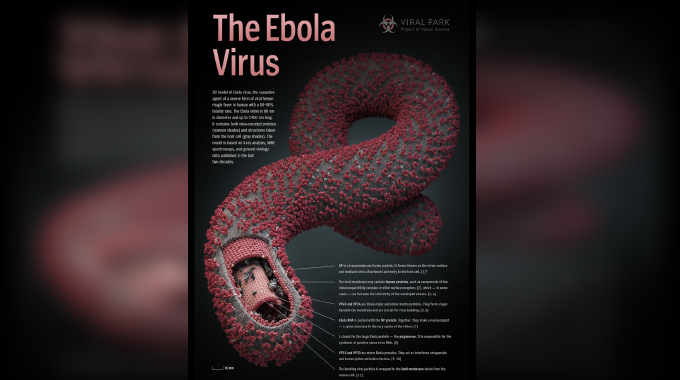
WHEN health experts talk about diseases such as Ebola, the terms they use are carefully chosen and carry specific meanings. Words like outbreak, epidemic, pandemic and public health emergency are not the same, even though they are often used as if they are. Each one describes a different level of spread and helps determine how serious the situation is and how quickly action must be taken.
Understanding these terms is important because they shape how governments, health organisations and communities respond to disease. They tell us whether a situation is local and manageable, or if it is growing into something that could affect many countries.
An outbreak is usually where things begin. It refers to a sudden increase in cases of a disease in a specific area. This could be a town, a district or sometimes a country. At this stage, the illness is still limited to a particular place, and efforts are often focused on containing it quickly before it spreads further.
When the spread becomes wider and affects more people than expected in a region, it is then called an epidemic. At this point, the disease is no longer confined to a small area. It starts to place pressure on local health systems, as more people need treatment and support.
A pandemic is an even larger step. This happens when an epidemic spreads across countries and continents, affecting large numbers of people around the world. Pandemics are global events that require a coordinated international response.
These definitions, used by organisations such as the World Health Organisation and the Centres for Disease Control and Prevention, are not just labels. They help guide decisions about how to respond, how much support is needed and what measures should be put in place.
Ebola is one of the diseases that often brings these terms into focus. It is known to be one of the most severe infectious diseases. It spreads through direct contact with the blood or body fluids of an infected person. It can also spread through contact with contaminated items such as needles or bedding.
Symptoms do not appear immediately. They can take between two and 21 days to show after exposure. During this time, a person may not even realise they are infected. When symptoms do appear, they can be severe, and in many cases, the disease can be fatal. Although survival rates have improved in recent years, Ebola remains a serious threat, especially in areas with limited healthcare resources.
The language used to describe such outbreaks is not just for scientists or officials. It plays a key role in shaping decisions. When a situation is described as an outbreak, the response may remain local, focusing on the affected area.
But when it is declared an epidemic or pandemic, the response becomes much larger.
Governments may introduce measures such as increased monitoring, travel guidance or restrictions, and isolation of affected individuals. International organisations may step in with funding, medical support and technical expertise.
The words used signal how urgent the situation is and how much coordination is required.
A public health emergency is declared when the situation becomes serious enough to require immediate and coordinated action. It highlights that the disease is not just a local issue, but one that could have wider consequences if not addressed quickly.
History has shown how quickly a situation can change. The Ebola outbreak in West Africa between 2014 and 2016 is a clear example. It began as a local outbreak in Guinea but soon spread to neighbouring countries such as Liberia and Sierra Leone.
What started as a small cluster of cases grew into a large crisis. By the time it was controlled, more than 28 000 people had been infected and over 11 000 had died. It became the largest Ebola outbreak ever recorded and was later declared a Public Health Emergency of International Concern.
Since then, Ebola has not disappeared. Outbreaks continue to occur, particularly in the Democratic Republic of the Congo, where health authorities have had to respond to several cases over the years. One such outbreak was reported in 2025 in the Kasai region.
These repeated outbreaks show that the threat remains. However, there has been progress in how outbreaks are managed. Health officials now focus on early detection, tracing contacts of infected people, using protective equipment and working closely with communities.
Vaccines and treatments have also been developed for some Ebola strains, improving the chances of survival and helping prevent the spread of the disease. Even so, experts continue to stress that early response is the most important factor in controlling an outbreak.
For everyday readers, understanding these terms matters more than it may seem. The difference between an outbreak and a pandemic is not just about words. It reflects how serious a situation is and what kind of response is needed.
An outbreak does not always become an epidemic, and an epidemic does not always turn into a pandemic. However, if action is delayed or ineffective, diseases can spread quickly and cause widespread harm.
In the case of Ebola, the language used by health officials sends a clear message. It signals how urgent the situation is, what level of risk exists and how much effort is already being made to contain it.
In simple terms, these words help the world understand what is happening and what needs to be done.–Africa News/Zimpapers