admin
admin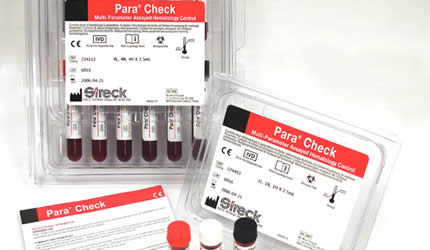
test kits tomorrow following the controversy surrounding their acquisition.
Health and Child Welfare Secretary Dr Gerald Gwinji said yesterday that he needed to get more information from the directors on the matter.
“I can only give the Ministry’s official position on the issue after the Friday meeting because there are also issues I would need to be enlightened on,” Dr Gwinji said.
The meeting follows reports that the Government acquired Para-Check test kits that are known to be less sensitive in detecting malaria parasites.
Government, through the United Nations Development Programme, acquired nearly 60 000 units of the Para-Check test kits worth over US$100 000 despite prior communication by the Global Fund to Fight Aids, Tuberculosis and Malaria to consider other products.
The UNDP is the principal recipient of Zimbabwe grants from the Global Fund.
Although UNDP did not respond to emailed questions on procurement procedures, email communication between UNDP and Government showed that Global Fund indeed recommended the procurement of other malaria test kits other than Para-Check.
According to an email sent by UNDP’s Project Co-ordinator Iolanda Fortes to the laboratory services department and other Government officials, Global Fund’s recommendations were shared in July.
“The Global Fund informed our office on the procurement decision related to SD Bioline (also a malaria test kit) and Para-Check on 30 July 2012,” read part of the email.
Also see . . .
According to the email, the recommendations were then shared with Government officials from logistics unit and the laboratory department before procurements were done.
“We have asked that the ministry take cognisance of the newly shared information regarding SD Bioline and Para-Check malaria rapid diagnostic test kit during this exercise,” further reads the email.
According to Global Fund quality assurance policy for diagnostic products in force since March 1 2011, grants may only be used to procure malaria RDTs if they have been recommended by WHO and if they are approved by authorities of Global Harmonisation Task Force.
SD Bioline and Para-Check are not preferences for WHO where a viable option exists.
Sources within the health sector said there were viable options that existed which Government should have considered.
Para-Check is said to be less effective in detecting malaria parasites compared to other products available on the market.
“The Government of Zimbabwe went to tender and Para-Check lost that tender. We are surprised why it keeps coming back when there are better options,” said a source at the ministry.
At least 20 000 Para-Check kits are stocked at Natpharm from where they would be distributed to different centres throughout the country.
About 39 000 more were expected in the country last week.



 Online Reporter