Online Reporter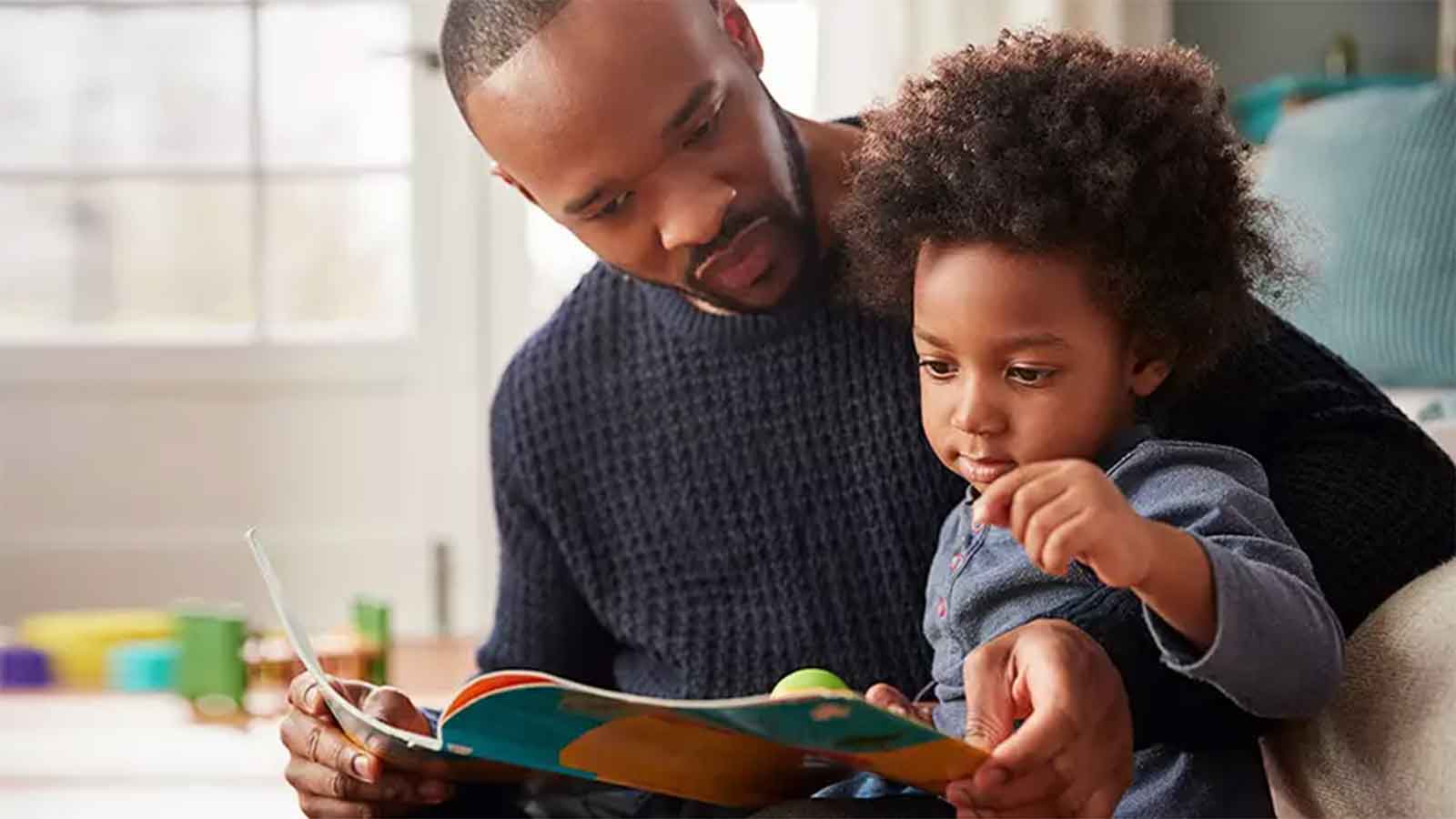
Fortunate Chiremba-Correspondent
WHEN examination results are released each year, attention quickly turns to schools. Headlines question teaching quality and curriculum reforms; while some blame resource shortages.
Rarely do we ask a more fundamental question: what role does the home environment play in shaping academic performance?
As an educational psychologist, I argue that parenting style is one of the most powerful, yet underestimated factors influencing learner success.
Parenting style refers to emotional and disciplinary climate parents create in raising their children. Researchers commonly identify three main approaches; authoritative, authoritarian and permissive.
Authoritative parenting combines warmth with structure. Parents set clear expectations but encourage dialogue. Children are guided, not intimidated. Studies consistently show that learners raised in such environments tend to demonstrate stronger academic performance, better emotional regulation and higher motivation.
In contrast, authoritarian parenting is rigid and highly controlling. While it may produce disciplined children, it often suppresses independent thinking and creativity.
Learners raised under excessive pressure may perform well temporarily but frequently struggle with anxiety and low self-confidence.
Permissive parenting, characterised by minimal boundaries and low expectations can lead to poor study habits and limited persistence. Without proper guidance, learners may lack the discipline required for academic excellence.
In Zimbabwe, where education is often viewed as the primary pathway to socio-economic mobility, parenting practices carry enormous weight. Families sacrifice greatly to pay fees, purchase uniforms, and provide textbooks; yet financial investment alone is insufficient if it is not accompanied by emotional support and structured guidance.
Academic success is nurtured through everyday habits: establishing study routines, monitoring homework, encouraging reading, and modelling responsibility. When parents show interest in their children’s education, learners internalize the message that school matters. Equally important is communication.
Children who feel safe discussing academic challenges at home are more likely to seek help early. Those who fear punishment for poor grades may hide difficulties until they become crises.
We must also confront cultural dynamics. In Zimbabwean context, respect for elders is rightly emphasised. However, respect should not eliminate open dialogue.
Encouraging children to ask questions does not undermine authority, it builds cognitive independence. It is therefore important to give children the privilege to seek clarity on educational issues without fearing intimidation.
Another crucial factor is parental modelling. Children learn more from what parents do than what they say. A household that values reading, curiosity, and disciplined effort creates an academic culture that extends beyond the classroom.
Of course, parenting does not occur in isolation. Economic hardship, long working hours, and social stressors affect families’ capacity to provide optimum support. It is therefore essential for schools to create more engaging platforms with parents. Instead of waiting for consultation days which are held once a year; on-going parenting workshops, school-family communication platforms, and community engagement initiatives can bridge the knowledge gaps.
Ultimately, improving educational outcomes requires a holistic perspective. Policymakers may reform curricula and invest in infrastructure, but unless we recognise the psychological foundation laid at home, progress will remain limited.
As the classroom delivers instruction, the home should build character, motivation, and resilience. Those qualities often determine whether a learner merely passes, or truly excels.
Fortunate Chiremba is an Educational Psychology Practitioner and a Masters student at Great Zimbabwe University. She can be contacted on: +263773198402