Online Reporter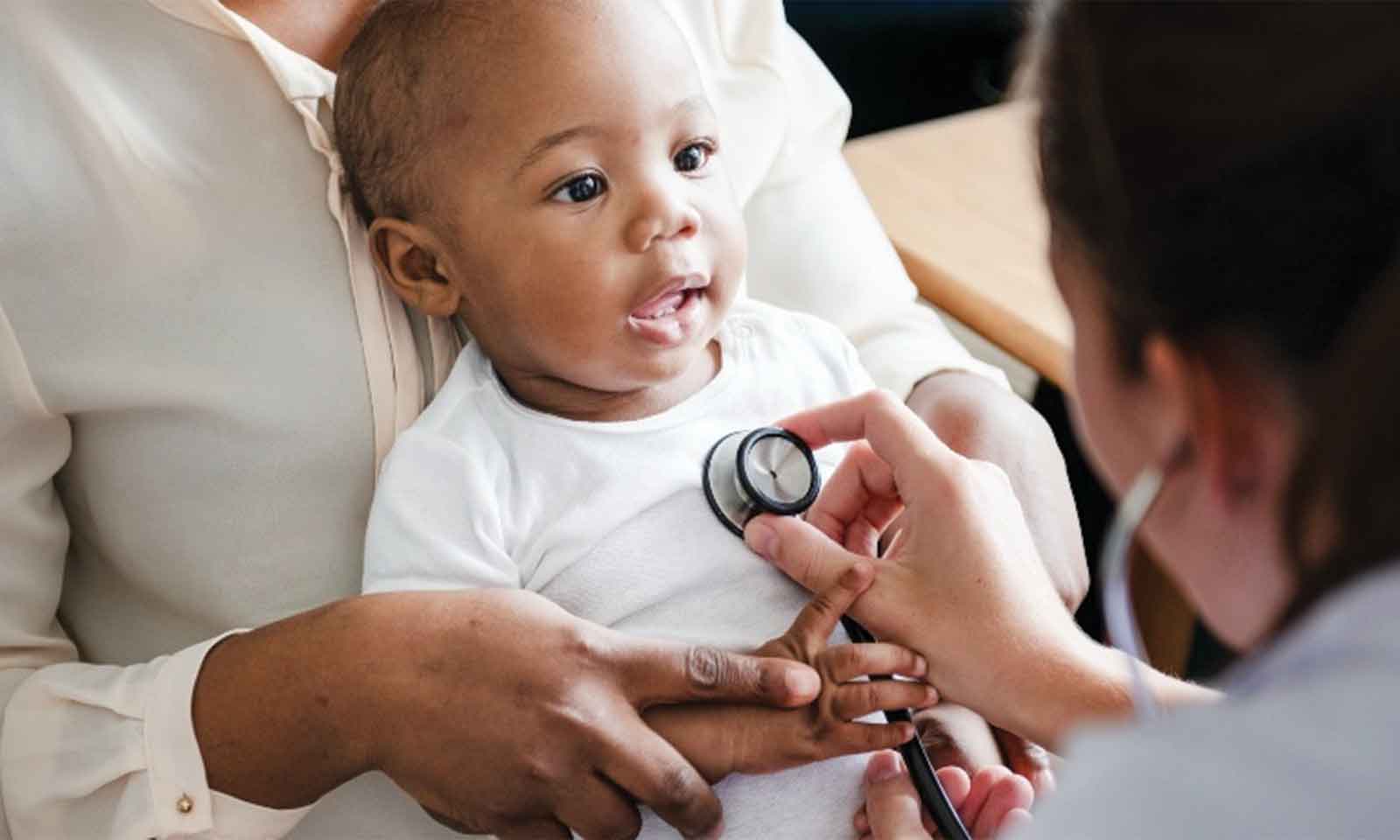
Takudzwa Manzero
Health Correspondent
AS the festive season begins, parents and caregivers have been urged to take extra precautions to protect children from preventable illnesses linked to poor hygiene, unsafe food, delayed treatment and increased exposure to malaria during the rainy period.
In an interview, provincial paediatrician, Dr Farai Makiwa said the Christmas season often comes with large gatherings, increased travel and changes in feeding routines, which can expose children, particularly infants and toddlers, to serious health risks if basic preventive measures are ignored.
“Getting into the Christmas season, let us do the basic things. These are simple actions, but they are very important in protecting the health of our children,” said Dr Makiwa.
Dr Makiwa strongly encouraged mothers to practise exclusive breastfeeding, especially during the early months of a child’s life, describing it as one of the most effective ways to prevent infections.
“If possible, I urge mothers to exclusively breastfeed because it is of utmost importance to your baby. Breast milk is safe, clean and provides all the nutrients a baby needs, especially in environments where water supplies are not always very clean,” she said.
She warned that using unsafe water to prepare infant feeds exposes babies to diarrhoeal diseases, which remain a major cause of illness among young children.
“Our water supplies are not always very clean. When you introduce other feeds early, you risk contaminating the child’s food, and that can lead to serious infections,” said Dr Makiwa.
She also said basic hygiene practices should not be relaxed during the festive season, even when families are busy hosting visitors or attending celebrations.
“Basic hygiene is very important. We must make sure that children eat food that is clean and properly prepared,” she said.
Dr Makiwa said particular attention should be paid to food served at large gatherings, where it may be prepared in bulk and stored for long periods.
“During large gatherings, it is important that the food given to children is clean. Even fruits must be washed properly before being given to children,” she said.
She also said caregivers often overlook food safety during celebrations, yet children are the most vulnerable.
“Children do not have strong immunity. When food is not handled properly, they fall sick very quickly,” said Dr Makiwa.
Dr Makiwa also warned parents against delaying medical care when a child becomes ill, saying procrastination often leads to complications.
“In cases where children fall ill, do not procrastinate and say we will treat them later. As soon as you can, visit a health facility where the child can be properly attended to,” she said.
She warned parents against attempting home remedies or waiting for symptoms to worsen before seeking professional help, a practice she said can be dangerous.
“Early treatment saves lives. When children are brought to health facilities on time, outcomes are usually very good,” said Dr Makiwa.
She said health facilities remain operational during the festive season and urged parents to make use of them.
“Health institutions are open, and health workers are available. Parents should not hesitate to bring their children when they notice something is wrong,” he said.
Dr Makiwa also raised concern over the increased risk of malaria during the rainy season, saying children are among the most affected.
“We also need to be aware of the high presence of malaria during this rainy season. Mosquito breeding increases, and children are at high risk,” she said.
She urged parents to seek immediate medical attention if a child shows signs of illness such as fever, vomiting or weakness.
“If you notice that a child is unwell, get the child to a health institution so that treatment can be started early. Malaria can be fatal if not treated on time,” she said.