Online Reporter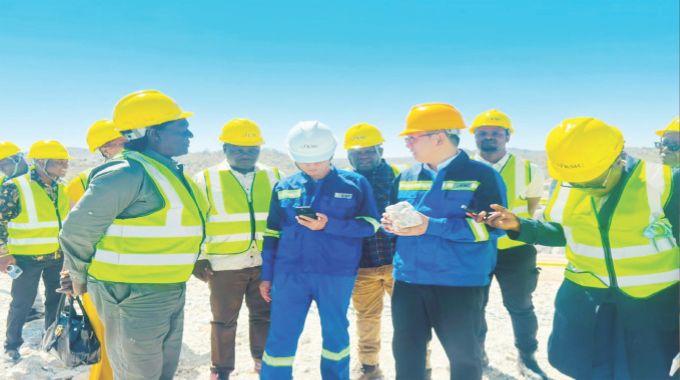
Fairness Moyana in Kamativi
PARLIAMENT has endorsed the expansion of Kamativi Mining Company (KMC), describing the Matabeleland North lithium producer as a model for the investment, beneficiation and responsible mining practices needed to maximise value from Zimbabwe’s mineral resources.
The Parliamentary Portfolio Committee on Mines and Mining Development said it was encouraged by the company’s progress, particularly its plans to process lithium locally, invest in renewable energy and strengthen relations with surrounding communities.
KMC revived the former Kamativi tin mine as a lithium operation, with Phase One commissioned by President Mnangagwa in April 2024, transforming the once-idle mining centre into a significant player in Zimbabwe’s growing lithium sector.
The committee, chaired by Bindura South legislator Remigious Toendepi Matangira, visited Kamativi on Sunday as part of a fact-finding exercise into Zimbabwe’s energy minerals, including lithium, coal, gas, oil and uranium.
Matangira said the committee was impressed by the scale of investment at KMC, which includes ongoing mining operations, plans for a new beneficiation plant, renewable energy generation initiatives and programmes aimed at benefiting local communities.
“We are very happy because apparently they have made it, they have done it. The company’s plans to beneficiate lithium locally could create greater value for Zimbabwe,” he said.
The committee also commended the company’s approach to community engagement, saying it reflected a commitment to meaningful dialogue and inclusive development aimed at ensuring local communities benefit from mining activities.
KMC is preparing to invest more than US$200 million in a new Lithium Sulphate Project in Matabeleland North, supporting Government’s drive to promote local beneficiation and reduce the export of unprocessed minerals.
KMC chief operations officer Mr Turkey Liang told the committee that the proposed value-addition facility would incorporate a smelter and sulphuric acid plant, with the capacity to produce 75 000 tonnes of lithium sulphate annually.
The plant is expected to be commissioned in the second quarter of 2027.
The project is anticipated to significantly increase the value derived from lithium within Zimbabwe while creating additional employment opportunities and stimulating growth across the mining value chain.
The development comes as Government continues to prioritise beneficiation and value addition as key pillars of its mineral development strategy, with lithium identified among Zimbabwe’s strategic minerals.
KMC is also constructing a solar power plant to support its mining operations and plans to feed surplus electricity into the national grid.
Matangira said investments in independent power generation were critical for mining operations, particularly given the sector’s need for reliable and uninterrupted electricity supplies.
He urged Government and mining companies to intensify exploration activities around Kamativi to determine the full extent of lithium and other mineral deposits in the area.
The objective, Matangira said, was to ensure the long-term sustainability of mining operations beyond the lifespan of currently identified reserves.
He also challenged Zimbabweans to play a more active role in the minerals sector, particularly in mineral processing and beneficiation.
Matangira said local entrepreneurs should not leave the most lucrative segments of the mining value chain entirely in the hands of foreign investors.
“We need now to have our indigenous people also wanting to enter into lithium production, small scale, and we will learn as we go,” he said.
Matangira described China as an “all-weather friend” of Zimbabwe and encouraged continued cooperation with Chinese investors, while stressing the importance of building local technical expertise and financial capacity to ensure meaningful participation by Zimbabweans in the mining industry.
He said Parliament would engage relevant ministries on issues raised by KMC, including taxation and other operational challenges that could affect the company’s expansion plans.
The committee also emphasised that mining companies should be assessed on the basis of their individual performance rather than through a blanket approach applied across the sector.
The Kamativi visit forms part of Parliament’s broader fact-finding exercise to evaluate the country’s mineral resources, mining operations, investment levels, beneficiation initiatives and the sector’s contribution to national development.