Sithabile Nyaningwe
ZIMBABWEANS are witnessing a remarkable transformation in service delivery at the passport office, which has become a model of efficiency — a development that speaks volumes about the Second Republic’s commitment to efficiency, modernisation, and citizen-centred governance.
For years, renewing a Zimbabwean passport was a dreaded ordeal, marked by long queues, delays, and frustration.
Citizens often endured days of waiting, with uncertainty hanging over both the applications submission process and timelines for receiving their passports.
Today, the atmosphere has changed dramatically. The office now reflects a culture of professionalism, speed, and responsiveness that aligns with the national vision of improved public service delivery.
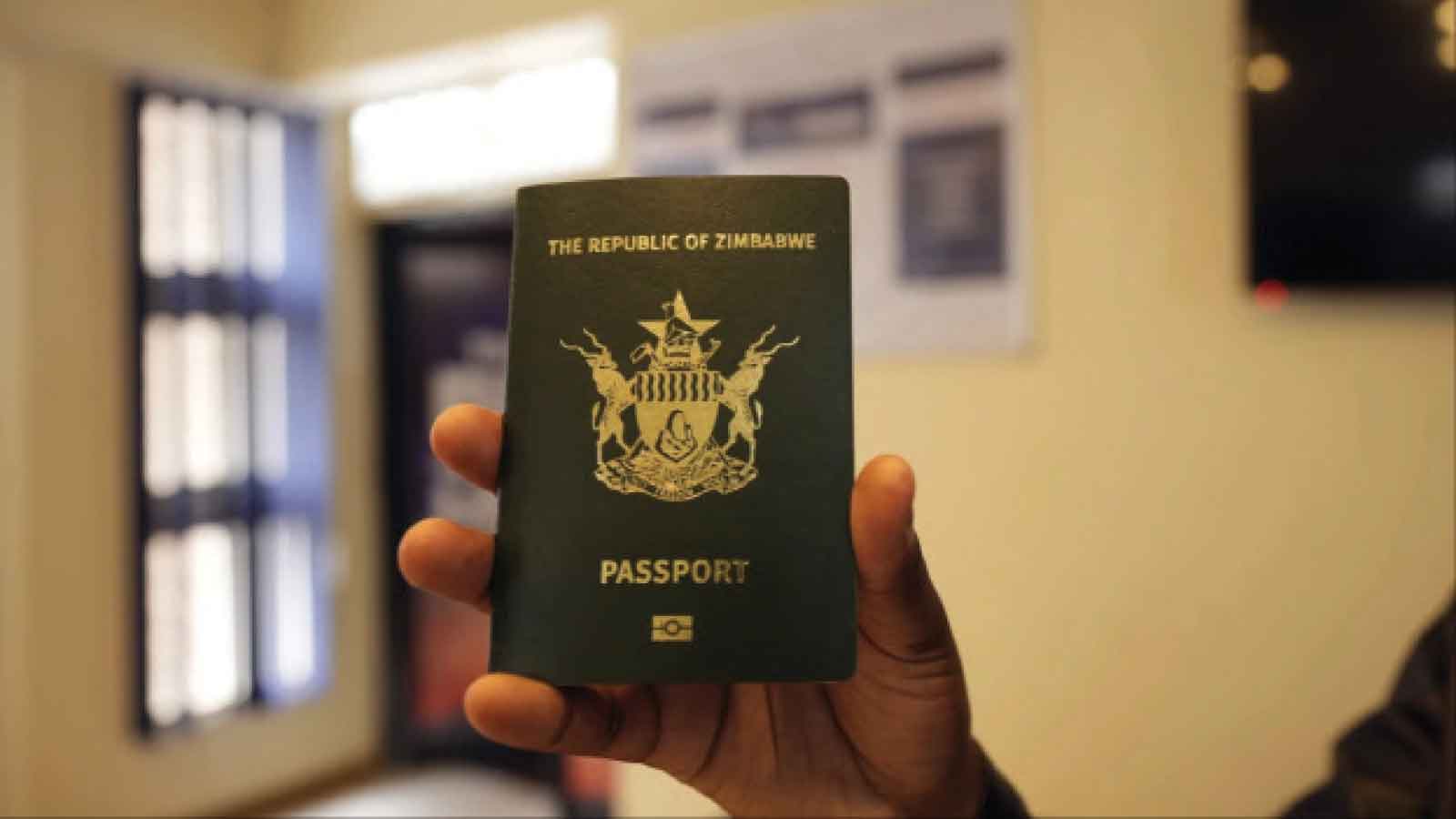
When I visited the passport office on Wednesday, January 28, 2026, to renew my passport, I was struck by the efficiency and seamlessness of the process.
From the orderly queuing system to the courteous staff, signage and the digitised application procedures, the experience was a far cry from the past.
Within exactly 56 minutes, my application was processed I left with confidence that my document would be ready within the stipulated seven (7) working days timeframe.
For me such an encounter accentuated the tangible progress being made under the Second Republic’s reform agenda.
In the best-performing African countries, the most efficient physical passport application processes take between 30 minutes to 2 hours, with overall issuance times ranging from 3 to 10 working days.
South Africa and Kenya are often cited as benchmarks for speed and modernization.
Against this backdrop, Zimbabwe’s recent passport office reforms evidenced by my 56‑minute renewal experience place the nation firmly within the efficiency frontier, while also highlighting opportunities for incremental improvements to further enhance timeliness and accessibility.
This transformation is not accidental.
It is emblematic of deliberate policy interventions aimed at modernizing public institutions, reducing bureaucratic bottlenecks, and restoring citizens’ trust in Government services.
The passport office has honestly become a flagship example of how technology, accountability, and leadership can converge to deliver results.
What is even more encouraging is the ongoing rollout of the e passport (and other registry office) services to rural districts such as Chipinge in Manicaland Province and into diaspora hubs like the South Africa and the United Kingdom.
The expansion ensures that citizens in remote communities and those outside Zimbabwe can access modernized passport services without the burden of traveling long distances or facing administrative hurdles.
This clear demonstration of inclusivity — ensures that every Zimbabwean, regardless of location, benefits from the Government’s reform agenda.
Beyond convenience, the improvements carry broader national significance.
Efficient passport services facilitate mobility for citizens, students, businesspeople, and professionals, thereby strengthening Zimbabwe’s global engagement.
They also symbolize the Government’s responsiveness to citizens’ needs — a cornerstone of the Second Republic’s governance philosophy.
As the country marches toward Vision 2030, the passport office’s turnaround offers a blueprint for other public service departments. It demonstrates that with political will, institutional reform, and a focus on service excellence, Zimbabwe can achieve world-class standards in public administration.
My personal experience last week was more than just a routine renewal; it was a reminder that transformation is possible, and that the Second Republic is steadily delivering on its promise of a modern, efficient, and citizen-focused Government.