

 Online Reporter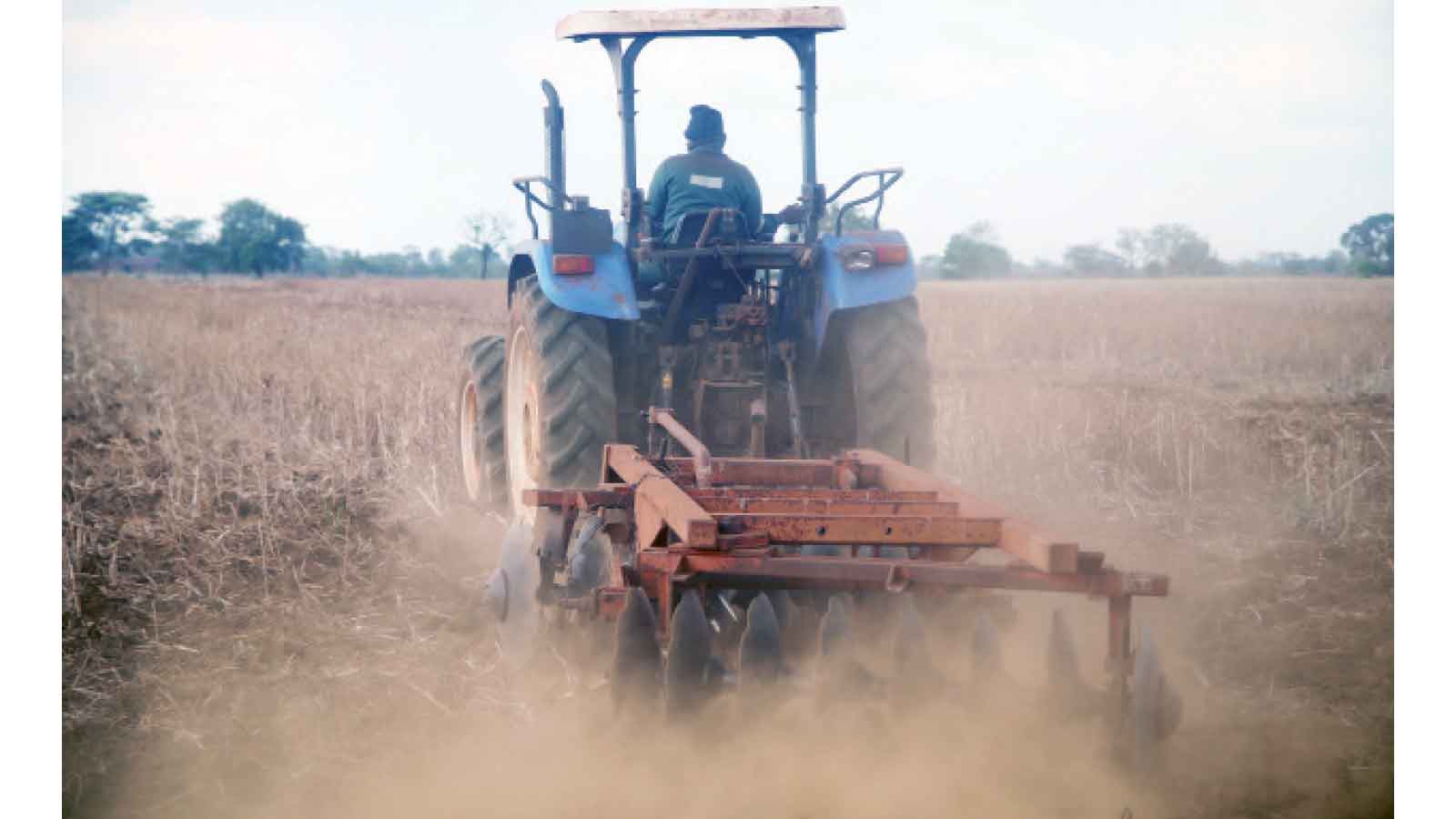
Jimmy Murwira
ZIMBABWE’s fuel consumption surpassing the 2, 1 billion-litre mark in 2025 is more than just a statistical milestone but a clear reflection of a nation whose economic engines are running with renewed intensity.
Rising from 1,6 billion litres in 2024 to more than 2,1 billion litres in 2025 signals a level of economic activity that cannot be ignored.
This surge demonstrates real, tangible movement across the core sectors of the economy, offering solid evidence that Zimbabwe is experiencing meaningful expansion rather than superficial or short-lived growth.
At a time when the country continues to pursue wide-ranging reforms and economic reconstruction, the numbers show an economy shifting into higher gear, and they reinforce the vision set under Zimbabwe’s ongoing developmental thrust.
It is within this context that citizens are increasingly encouraged to embrace the Second Republic under the leadership of President Mnangagwa, whose policies have prioritised economic revitalisation, infrastructure renewal and the expansion of productive capacity.
The dominance of diesel in the fuel consumption pattern is especially significant because diesel drives production rather than leisure.
More than 1, 5 billion litres of diesel were consumed in 2025, a figure that speaks directly to increased industrial activity.
Diesel fuels the machinery that keeps mines operational, energises generators that power factories, enables trucks that transport minerals and commodities and supports the agricultural equipment that feeds the nation.
When diesel consumption goes up, it is because the country is working literally.
Industries are operating longer hours, haulage fleets are covering more kilometres, and productive enterprises are expanding their operations in response to market demand.
This is one of the clearest indicators that Zimbabwe’s economic activity is accelerating in practical, measurable terms.
In mining, higher diesel consumption often corresponds with increasing extraction, more advanced processing and expanded movement of ore. Zimbabwe’s mining sector remains one of the pillars of the economy, contributing the bulk of foreign currency earnings.
The rise in fuel usage suggests increased investment, larger operational footprints and improved throughput. Whether it is gold, chrome, platinum, lithium or other minerals, the upward trend in fuel demand reflects the expansion taking place within the sector.
This is not theoretical growth rather it is machinery running, trucks transporting minerals and new operations coming online.
The agricultural sector’s contribution to the rising fuel consumption is equally critical.
After favourable rainfall, farmers intensified their work, increasing hectarage and adopting more mechanised processes. Diesel-powered irrigation systems, tractors, combine harvesters and transport vehicles were heavily engaged throughout the season.
The fuel consumption data therefore shows an agriculture sector that is not only active but advancing. Increased mechanisation is essential for boosting yields, reducing post-harvest losses and strengthening food security.
When fuel usage rises in farming areas, it means more land is being opened up, more crops are being cultivated and more produce is reaching the market. These are the foundations of a more resilient agricultural economy capable of supporting both domestic needs and export opportunities.
Another visible driver of fuel consumption is the construction and infrastructure sector. Zimbabwe has embarked on a number of major construction and rehabilitation projects, from highways and dams to housing developments and industrial facilities.
Construction is one of the most fuel-intensive sectors, requiring heavy-duty equipment such as graders, bulldozers, excavators, tippers and concrete mixers, all of which run on diesel.
The sharp rise in fuel usage therefore mirrors the rapid pace of infrastructure development taking place nationwide. When old roads are being upgraded, new roads constructed, bridges repaired and energy infrastructure expanded, fuel consumption inevitably rises.
This is a sign of a nation building its future and modernising its economic framework.
The transport and distribution sector also plays a central role in shaping national fuel demand.
A busy logistics system indicates higher trade volumes, more goods being delivered and an economy with active supply chains. Whether it is transporters moving agricultural produce from rural areas to urban markets, trucks delivering construction materials across provinces or long-distance haulage companies ferrying minerals to ports in neighbouring countries, fuel usage is the backbone of all these activities.
As businesses move more goods and as trade corridors become busier, the numbers recorded by fuel stations rise accordingly.
This is a sign of greater economic integration, improved market access and the increased circulation of goods and services throughout the country.
Taken together, these developments show that the surge in fuel consumption reflects a country gaining real economic momentum. The growth rate of 6, 6 percent recorded in 2025 becomes more credible when paired with fuel consumption data because fuel usage is a practical measure of real economic activity.
It is not influenced by emotion or political sentiment; it is determined by how much work is being done on the ground. When fuel usage rises sharply, it confirms that Zimbabwe is moving forward with energy, intensity and purpose.
Looking ahead, projections suggest that fuel consumption may exceed 2,5 billion litres in 2026.
This expectation reveals optimism within the productive sectors. Businesses do not fuel more trucks unless they anticipate higher demand. Farmers do not use more diesel unless they are preparing for expanded operations.
Miners do not increase consumption unless they expect to extract and transport more minerals. The projection of rising fuel demand therefore reflects confidence in continued economic growth. It is a forward-looking indicator of expansion, investment and industrial resilience.
Zimbabwe is currently in a phase of economic reconstruction driven by infrastructure development, enhanced productivity and a focus on modernisation.
The rise in fuel consumption is one of the clearest signs that the national vision is translating into real results.
As the country continues to strengthen its productive base, reform key sectors and expand trade, citizens are increasingly encouraged to embrace the Second Republic under the leadership of President Mnangagwa, whose administration has prioritised stability, development-oriented policy and the rebuilding of national capacity.
The fuel consumption data aligns strongly with the broader national direction of revitalisation, modernisation and sustainable economic growth.
Ultimately, fuel consumption is a reflection of activity, effort and momentum. Zimbabwe’s rising figures show a nation working, producing and moving with purpose.
The numbers represent trucks on the road, machines in motion, fields under cultivation and construction cranes on the skyline.
They reveal a country expanding its economic footprint and strengthening its resilience. If this trajectory continues, Zimbabwe is not only set to consolidate the progress of 2025 but also to enter an era of sustained, broad-based economic development that benefits communities, industries and the nation as a whole.



