admin
admin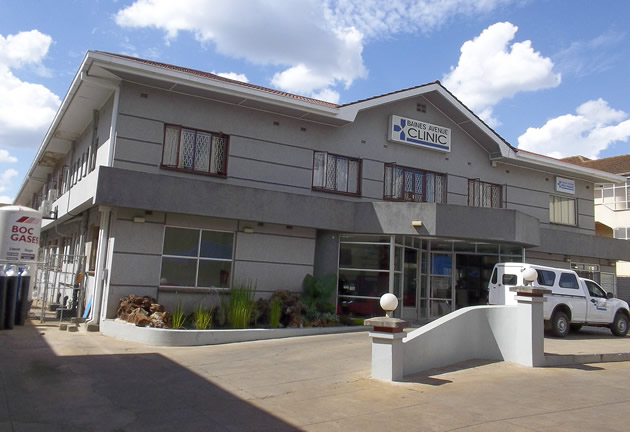
Paidamoyo Chipunza Senior Health Reporter
Patients are now resorting to private health institutions for medical attention because of the strike by doctors in public hospitals where only emergency cases are being attended to by a few doctors available.
A snap survey carried by The Herald at both public and private institutions yesterday revealed that there was less activity at Government hospitals compared to the private ones.
In separate interviews, patients at Avenues Clinic, Baines 24 Hour and West End said they had resorted to private institutions after failing to get help at public hospitals.
Mr Rungano Rwafa, who was at West End said his wife had booked for delivery at Mbuya Nehanda Maternity Hospital, but had to change after reading about the strike in the papers.
“We read that all doctors were on strike and we had to bring her here even though she was registered at Mbuya Nehanda Maternity Hospital,” said Mr Rwafa.
He said his wife was pregnant with their first child and he did not want to take any chances.
An official who spoke on condition of anonymity at Avenues Clinic citing protocol reasons, said they usually attended to patients on medical aid, but of late there has been an increase of those using cash.
“Some of the cash patients are coming from Parirenyatwa where they failed to get treatment because of the doctors’ strike,” said the official. “Most of our patients use medical aid cards.”
Private Hospitals Association president Mrs Merissa Kambani said whenever there was a strike at public health institutions, the private institutions were bound to be affected.
“We always want to see the public health delivery system working because we cannot see everyone,” she said. “We have different structures and different working models.”
At Parirenyatwa Hospital and Harare Central Hospital, patients were being turned away due to the strike.
Only a few patients considered seriously ill were being attended to by the few doctors at work.
At Parirenyatwa Hospital, patients would first report at a makeshift screening area outside the casualty department for eligibility before being attended to.
If the condition was considered serious, the patient would then proceed into the main hospital, but if it was deemed less serious, the patient would be turned away.
Patients inside the hospital complained of the slow pace in getting treatment, saying they could not ascertain whether or not there were doctors available.
“This queue is just not moving. We do not know whether someone is attending to us or not. We have since paid our consultation fees, but we are still waiting to be attended to by a doctor,” said one of the patients.
At Harare Central Hospital, very few patients could be seen in the casualty department.


 Online Reporter