Vusumuzi Dube
Judith Phiri, Business Reporter
SMALL to Medium-scale Enterprises (SMEs) have bemoaned late payments by their customers revealing that they disrupt cash flows thereby affecting production.
Cash flow is the lifeblood of any business and without the cash most SMEs are failing to survive, resulting in them crumbling. Bulawayo Chamber of SMEs vice-chairperson Ms Sithabile Bhebhe said it was not only about late payments but also the mode of payment which was also affecting their operations. She said while most of their clients paid in local currency, raw materials, and machinery required foreign currency.

“These factors are affecting our rental payment because most estate agents charge their rentals in foreign currency, which therefore means the little foreign currency that the SMEs get goes directly to rental payments,” said Ms Bhebhe.
Founder and owner of Bulawayo-based Nhla fashions, Mrs Nonhlanhla Nare said as small businesses the payment delays were affecting their growth.
“As an SME that specialises in all school wear that includes uniforms, blazers, tracksuits and African attires, one of our challenges is delayed payments.
“We get tenders from schools and some institutions but in terms of paying up on time some delay which then affects our business. Some pay using local currency and if they delay making their payments, the value fluctuates based on the exchange rate. This then affects us when we want to source foreign currency to buy raw materials.”

She said as a business some of her clients were as far as Binga, Hwange, Beitbridge and Plumtree, among other cities. Mrs Nare said SMEs were in need of affordable loans that do not choke their businesses so that they can evade payment delays which have over time directly affected their cash flows.
“Sometimes one would have placed orders for raw materials with most of them sourced outside the country, if we fail to pay on time that affects our relationship with suppliers and creates a bad reputation for us. We need an intervention on how best to deal with non-paying clients, those who delay or even default.”
Meanwhile, Government continues to put in place facilities to easy access to credit, encourage economic activity and stimulate growth in the Micro, Small and Medium-sized Enterprises (MSMEs) sector.
Recently at a MSMEs training workshops in Bulawayo, Women Affairs, Community, Small and Medium Enterprises Development Permanent Secretary, Mr Moses Mhike said facilities have been put in place to ease access to credit and encourage economic activity and stimulate growth in the sector.
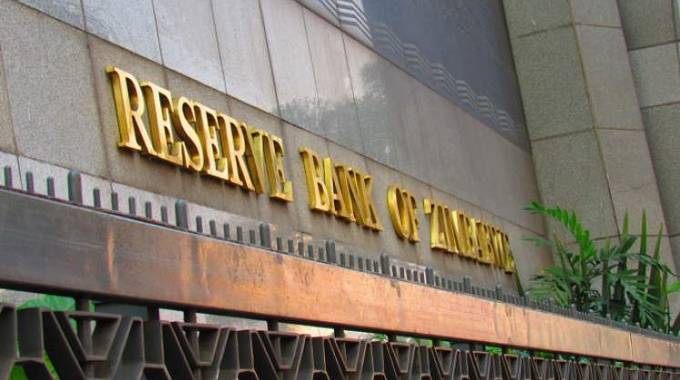
“Under the National Financial Inclusion Strategy, the Ministry in collaboration with Reserve Bank of Zimbabwe (RBZ) has implemented a number of initiatives aimed at improving MSMEs financial inclusion. This has seen a huge decrease of the financially excluded MSMEs from 43 percent in 2012 to 3 percent in 2022. The recently launched Collateral Registry System is expected to facilitate further easy access to credit and encourage economic activity and stimulate growth in the sector. The Ministry through its empowerment funding facilities which include Small and Medium Enterprises Development Corporation (SMEDCO), Zimbabwe Women Micro Finance Bank, Women Development Fund and Community Development Fund is also providing funding to MSMEs.”



 Online Reporter