admin
admin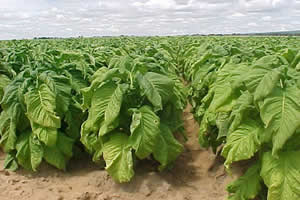
In an interview yesterday, Mr Svotwa said the heavy rains were presenting tobacco farmers with a lot of challenges in weed control, ridge maintenance and extra costs from fertiliser and chemical additional purchases.
“Some of the tobacco planted in water logging soils has already started wilting and dying as the roots rot easily in water. Tobacco cannot tolerate spending a period of 48 hours in water so this means that those farmers in soils prone to water logging will suffer heavy losses.
“I noticed today (yesterday) in the Nyabira area that some farmers’ tobacco fields were water logged,” said Mr Svotwa. He said farmers needed to do a lot of technical interventions to save their crop and would have to buy more fertilisers to apply again and replenish the nutrients lost to leaching.
“The rains are washing away most of the nutrients vital for plant growth leaving the leaves yellowing and losing their quality in the process. Plants also grow fast and need more suckerides for the control of suckers.
“There is also a high weed establishment rate while ridges designed to promote good drainage may also be destroyed creating more work for the farmers,” he said.
Mr Svotwa also said farmers must closely watch their tobacco for signs of leaching and apply more fertiliser in line with the amounts of nutrients that they would have presumed lost. This recent development may dent the country’s hopes for a higher tobacco yield this season despite the fact that a total of 65 199 farmers have since registered to produce the golden leaf this year compared to last year’s 34 673 farmers during the same period.
Tobacco Industry and Marketing Board chief executive Dr Andrew Matibiri yesterday acknowledged that the rains were posing a challenge for the tobacco farmers but remained upbeat that the country’s target of 170 million kilogrammes of tobacco this season was achievable.
“Yes the rains will affect the growth of the crop and the quality in the end but that will not stop us from beating our target. Farmers will need to apply additional ammonium nitrate fertiliser as well as chemicals.
“The rains will also reduce the farmers’ capacity to do other operations such as weeding and suckering but farmers must take advantage of the brief lulls in the rains to do some of the activities,” Dr Matibiri said.



 Online Reporter