Online Reporter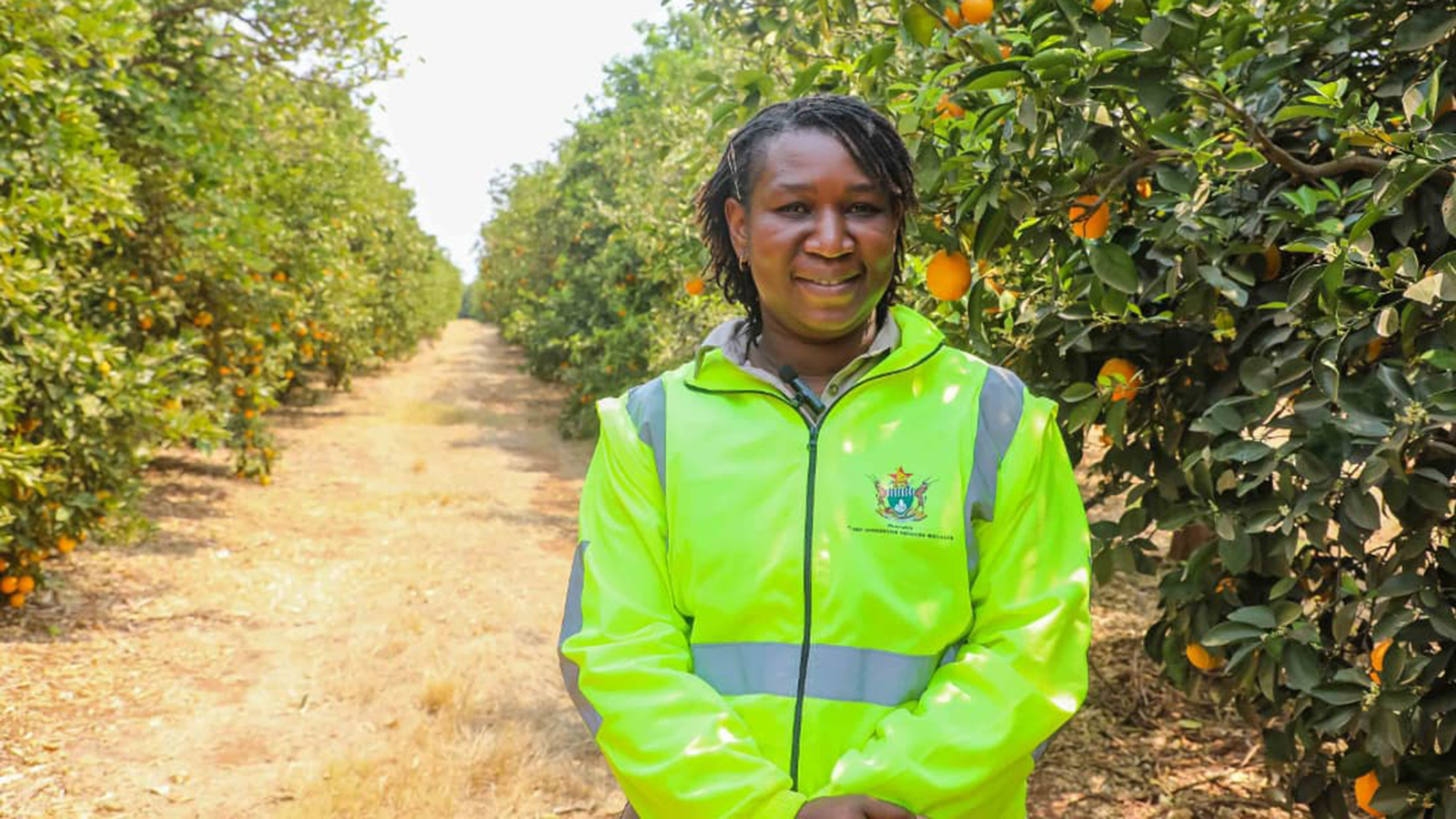
Theseus Shambare
Herald Reporter
THE agriculture sector is adopting digital technology in crop protection, with 40 inspectors having been trained to detect and report pest outbreaks using mobile devices at a three-day workshop in Kadoma recently.
The initiative, which is being run under the Africa Phytosanitary Programme (APP), equips frontline officers with tablets and practical skills to strengthen the country’s early-warning system against destructive pests.
Head of the Plant Quarantine Services Institute, Mrs Louisa Makumbe, said the training was crucial for securing food systems and protecting export markets.
“This programme is about ensuring surveillance is systematic and harmonised, not just for Zimbabwe but across the continent,” she said.
Inspectors were taught to monitor five high-risk pests that threaten food security and livelihoods: citrus greening bacteria, Fusarium wilt of bananas, invasive Bactrocera fruit flies, Banana Bunchy Top Virus and Xylella fastidiosa.
According to the IPPC Secretariat, the pests could trigger billions of dollars in losses if undetected, leading to trade restrictions.
“The aim is to build strong national surveillance networks for early detection and rapid reporting,” said Dr Descartes Koumba.
The Kadoma workshop was facilitated by six Zimbabwean experts who were trained in Egypt in 2023 under a “train-the-trainer” approach.
Research scientist Dr Tinashe Runyanga explained that targeting the five quarantine pests was a priority to secure the agricultural sector.
Participants welcomed the digital shift.
“We have been given gadgets that will improve data collection and speed up reporting on the distribution of pests,” said Plumtree Border Post inspector, Mrs Nyasha Rinomhota.
Farm supervisor Mr Philemon John added that the skills acquired would boost early detection capacity at the farm level.
Trainer and plant health inspector Mr Levy Gama highlighted the practical approach of the programme, saying it covered pest identification, field surveillance and digital data use.
The APP is part of Africa’s broader strategy to tackle rising cross-border pest threats, aligning with efforts to modernise agriculture and strengthen trade.